
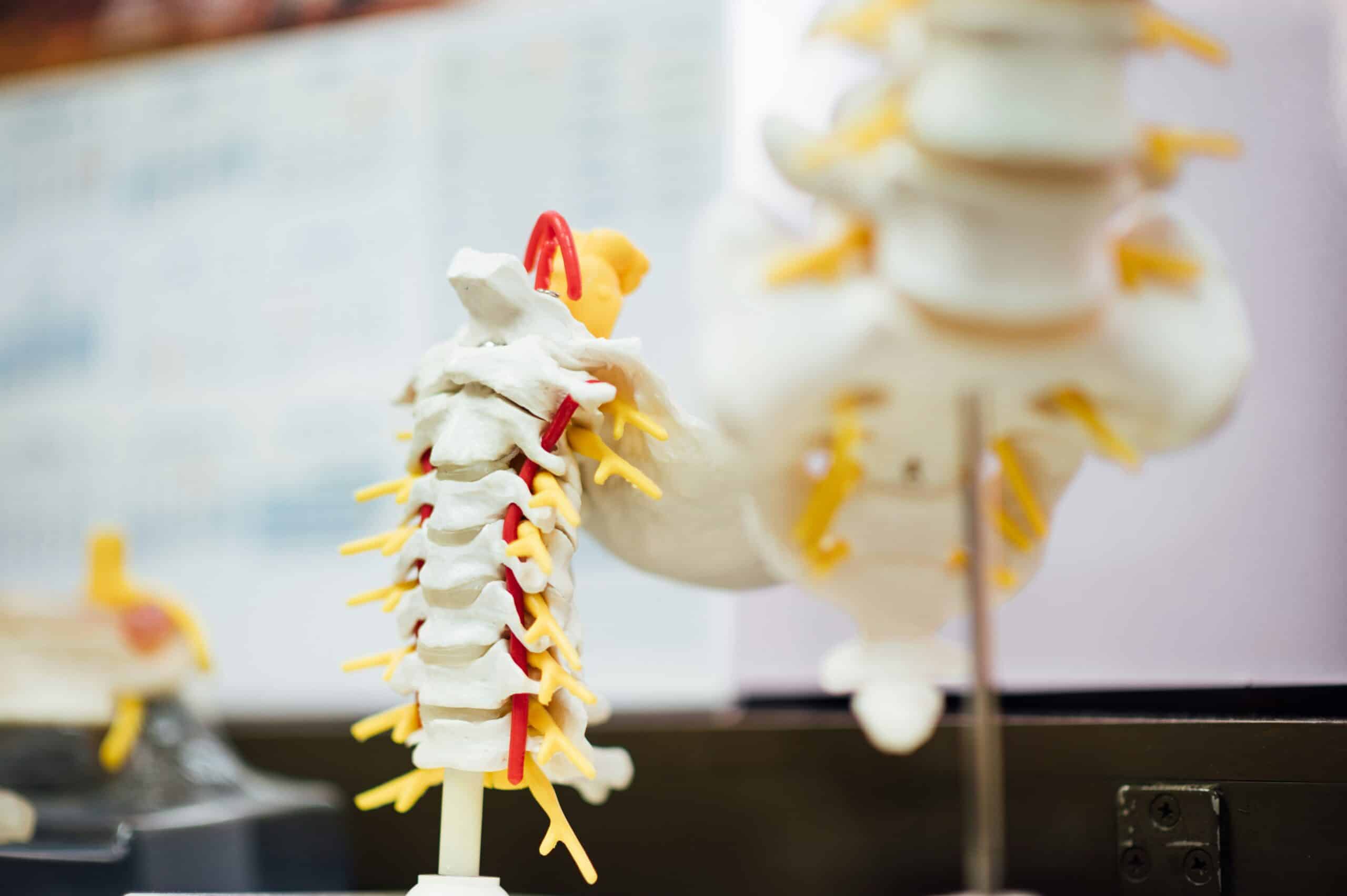
The cervical traction device category sits at an interesting intersection of migraine management and chronic neck pain treatment. Many migraine sufferers don’t realize how directly upper cervical spine tension contributes to their attacks until they actually experience the relief that proper traction provides. The suboccipital muscles at the base of the skull, the upper cervical vertebrae, and the surrounding soft tissue produce referred pain patterns that present as migraines. Decompressing these structures through controlled traction often reduces both the frequency and severity of attacks, sometimes dramatically. The challenge is finding traction devices that actually deliver therapeutic pressure rather than just looking medical without producing real effects.
This guide covers the five best cervical traction devices for migraine relief in 2026, evaluated on traction effectiveness, comfort during sustained use, ease of solo operation, and the practical question of whether the device produces measurable migraine improvement rather than just temporary neck relief.
How Cervical Traction Helps Migraines
The connection between cervical spine mechanics and migraines is well-documented in headache medicine, though many sufferers and even some doctors miss the connection initially.
The upper cervical spine, specifically the C1, C2, and C3 vertebrae and the surrounding suboccipital muscles, connects directly to the dural tissue that wraps the brain. The myodural bridge connects suboccipital muscles to the dura mater, meaning tension in the back of the neck pulls directly on brain-protective tissue. The pulling produces pain receptor activation that the brain interprets as a headache, despite the underlying cause being purely musculoskeletal. Our guide to what a cervicogenic headache is covers the neck-origin headache these are aimed at.
Cervical traction works by applying a gentle pulling force that decompresses the upper cervical structures. The pulling stretches tight suboccipital muscles, opens compressed disc spaces, and reduces the mechanical tension that drives the dural pain referral. Many migraine sufferers experience immediate relief during traction sessions, with cumulative benefits emerging across weeks of consistent use.
The mechanism works particularly well for migraines connected to neck tension, posture problems, or repetitive stress patterns. Forward head posture from desk work, smartphone use, or driving produces chronic upper cervical compression that traction can specifically address. For sufferers whose migraines correlate with desk work, computer use, or specific physical activities, traction often produces meaningful frequency reduction.
For broader migraine management, our guides on the best acupressure mats for migraine relief and the best magnesium supplements for migraine prevention cover complementary approaches that pair well with cervical traction in comprehensive prevention strategies.
What to Look For in Cervical Traction Devices
Traction Mechanism Type
Several traction device approaches exist, each with distinct trade-offs.
Inflatable air traction devices use pump-controlled air bladders that inflate to lift the head and create cervical decompression. They’re affordable, portable, and easy to use solo. The trade-off is that pure air-based traction provides less precise force control than mechanical alternatives.
Door-mounted traction systems attach to door frames and use weighted pulleys to apply a specific pulling force. They provide more precise force control than air systems but require more setup and don’t travel well. The pulley approach matches what physical therapists use in clinical settings.
Saunders-style mechanical traction uses gas-powered cylinders that apply specific pre-set forces. They provide medical-grade traction at home with consistent pressure, but cost significantly more than alternatives.
Posture pump traction uses curved devices that combine traction with cervical curve restoration. They address posture-related cervical issues alongside basic decompression, useful for sufferers whose migraines connect to forward head posture specifically.
Force Range and Adjustability
Effective cervical traction typically uses 10-30 pounds of pulling force, depending on body size and tolerance. Quality devices either provide adjustable force levels or auto-calibrate to user’s weight. Avoid devices with fixed force settings that may be inadequate for your specific situation or excessive for your tolerance.
For beginners, start with lower forces (10-15 pounds) and increase gradually as tolerance develops. Aggressive force application without acclimation produces muscle soreness that defeats the therapeutic effect.
Solo Operation Capability
The practical reality of home cervical traction is that you’ll use it alone. Devices requiring assistance to operate get used dramatically less than devices designed for solo use. Look for products specifically engineered for self-application, with intuitive controls and stable positioning that doesn’t require help.
Devices that require complex setup, balance adjustments during use, or multiple-step adjustments produce frustration that leads to abandonment regardless of therapeutic effectiveness.
Comfort Materials
Cervical traction sessions typically last 15-30 minutes per session. Devices with hard plastic contact points or rough textile surfaces produce discomfort that limits session duration and effectiveness. Quality devices use soft padding at all skin contact points, breathable fabric for extended use, and adjustment systems that don’t pinch or bind during operation.
For sufferers with sensitive skin or chronic pain conditions, the material quality matters dramatically more than buyers initially expect.
Portability for Travel Use
For sufferers whose migraines flare during travel or at hotels, portable traction devices extend the use cases beyond home-only application. Inflatable air traction devices travel well, they fold compactly and inflate at the destination. Door-mounted and mechanical alternatives don’t travel.
Consider whether you’ll want traction availability while traveling, and match the device choice accordingly.
Best Cervical Traction Devices for Migraine Relief in 2026: Our Top 5 Picks
1. Saunders Cervical Traction Device, Best Overall
Best Overall Cervical Traction Device | Price: ~$370
Best for: Most migraine sufferers wanting medical-grade traction at home, buyers willing to invest in clinical-quality equipment, and owners wanting precise force control across years of regular use.
The Saunders Cervical Traction Device represents the practical gold standard for home cervical traction. The mechanical gas-cylinder design provides the same precise force control that physical therapy clinics use, allowing 0-50 pound adjustment in 5-pound increments. Migraine sufferers who’ve used clinical traction will recognize the Saunders feel immediately, it delivers genuine therapeutic pressure rather than the marginal effects that cheaper alternatives produce.
The patented head and neck cradle design distributes traction force across appropriate cervical zones rather than concentrating force at single points. The result is comfort during sustained sessions that competitor devices can’t match. Most users complete 30-minute sessions without the pressure points that limit other traction devices.
Solo operation is genuinely refined. The pump handle activates with one hand, the force gauge reads clearly during use, and the adjustment controls are positioned for comfortable reach during sessions. Setup takes under a minute once you’ve used the device a few times.
Build quality justifies the premium price through extended durability. Many users report 10+ years of regular use without significant degradation. The medical-grade construction tolerates the conditions that destroy lighter alternatives within a few years.
PROS:
- Medical-grade traction force control (0-50 pounds)
- Patented head/neck cradle for distributed force
- Refined solo operation system
- 10+ year durability with proper care
- Used in physical therapy clinics professionally
CONS:
- Highest price in our roundup
- Larger storage footprint than portable alternatives
- Doesn’t travel well due to size and rigid construction
- Premium positioning above what casual users may need
For complete migraine prevention, our guide on the best magnesium supplements for migraine prevention covers supplementation that pairs well with cervical traction in comprehensive prevention strategies.
2. ChiSoft Neck Traction Device, Best Mid-Tier Pick
Best Mid-Tier Cervical Traction | Price: ~$70
Best for: Buyers wanting genuine traction effectiveness without medical-grade pricing, regular but not daily users, migraine sufferers testing whether traction helps before a premium investment.
The ChiSoft Neck Traction Device delivers solid traction functionality at a meaningfully lower cost than medical-grade alternatives. The inflatable air design provides genuine therapeutic force when fully inflated, addressing the upper cervical compression that drives many migraines. The pump operation is straightforward and produces consistent results across uses.
The ergonomic neck cradle distributes force adequately across the cervical region, though without the patented design refinement of Saunders alternatives. Most users find the comfort acceptable for 15-25 minute sessions, with longer durations producing the pressure points that affect cheaper inflatable devices.
For migraine sufferers wanting to test whether cervical traction helps their specific condition before investing in premium equipment, the ChiSoft provides genuine traction at a minimum financial commitment. If traction proves effective and you want to scale up to daily use, upgrading to Saunders produces a better long-term experience.
The trade-offs match the price tier. Build quality is functional rather than premium, the inflatable bladder may degrade after 2-3 years of regular use. Force control is less precise than mechanical alternatives. The portability advantage of inflatable design comes with the durability trade-off inherent to air-based systems.
PROS:
- Genuine traction effectiveness at moderate price
- Inflatable design portable for travel
- Easy solo operation
- Useful for testing traction effectiveness
- Good value at mid-tier pricing
CONS:
- Less precise force control than mechanical alternatives
- 2-3 years typical lifespan under regular use
- Comfort below premium designs during long sessions
- Marketing claims sometimes overstate effectiveness
3. Pronex Pneumatic Cervical Traction, Best for Solo Use
Best for Solo Operation | Price: ~$170
Best for: Migraine sufferers who use traction independently, buyers wanting refined solo operation without medical-grade pricing, and owners prioritizing ease of use across daily sessions.
The Pronex Pneumatic Cervical Traction prioritizes solo operation refinement. The pump-controlled inflation handles cervical traction with precision better than basic inflatable designs while remaining significantly less complex than mechanical alternatives. Setup takes seconds, operation is intuitive, and adjustment during sessions doesn’t require help.
The bidirectional traction approach lifts the head while providing simultaneous neck support, which many users find more comfortable than upward-only traction designs. The result is effective decompression with less pressure point sensitivity than competitor approaches.
Build quality sits between medical-grade and budget tiers. The construction handles 4-6 years of regular use without significant degradation, though without reaching the 10+ year lifespan of Saunders alternatives. The inflation system is more refined than ChiSoft’s basic approach, but it lacks the precision of mechanical force control.
For users committed to daily traction sessions, the refinement advantage over basic alternatives matters significantly. The session experience becomes routine rather than fiddly, which directly affects whether you actually maintain consistent use over months and years.
PROS:
- Refined solo operation across regular use
- Bidirectional traction approach
- Good comfort during sustained sessions
- 4-6 years typical lifespan
- Mid-tier pricing for premium operation
CONS:
- Pneumatic system less precise than mechanical
- Still inflatable with associated durability trade-offs
- Less portability than basic inflatable alternatives
- Premium pricing without medical-grade construction
4. RestCloud Neck and Shoulder Relaxer, Best for Posture-Related Migraines
Best for Posture-Related Migraines | Price: ~$30
Best for: Migraine sufferers with forward head posture from desk work, users wanting traction plus posture correction, buyers prioritizing an affordable daily-use approach.
The RestCloud Neck and Shoulder Relaxer takes a different approach to cervical relief. Rather than applying an active pulling force, the curved foam device passively restores cervical curve through gravity and head weight. The user lies on the device with neck supported in the proper curve, and gravity decompresses the cervical spine while the foam maintains correct alignment.
For migraine sufferers whose attacks connect to forward head posture from desk work, smartphone use, or driving, the postural restoration approach often produces meaningful relief. The gentle traction combined with curve restoration addresses both the immediate cervical compression and the underlying postural cause.
The trade-off is force level. The passive design produces less traction force than active mechanical or pneumatic alternatives. For users with severe cervical compression or those who need higher force levels for therapeutic effect, the RestCloud is inadequate as a primary treatment. For mild to moderate cases or as a supplementary intervention alongside other approaches, the device delivers genuine value at minimum cost.
Daily use sessions are typically shorter (5-10 minutes) than active traction devices. The simpler approach makes consistency easier, many users find they actually use the RestCloud daily compared to skipping more involved active traction sessions.
PROS:
- Affordable price point at sub-$30
- Passive operation requires zero setup
- Targets the postural causes of migraines
- High consistency due to simple use
- Useful as a supplementary intervention
CONS:
- Significantly less force than active traction
- Inadequate for severe cervical compression
- Plain foam construction shows wear faster
- Limited customization for varied body sizes
5. NeckFix Cervical Traction Device, Best Budget Pick
Best Budget Cervical Traction | Price: ~$45
Best for: Budget-conscious migraine sufferers, beginners testing cervical traction, occasional rather than daily users, buyers wanting basic functionality at minimum cost.
The NeckFix Cervical Traction Device delivers basic inflatable traction at the lowest reasonable price for the active traction category. The construction provides functional cervical decompression through pump-controlled air inflation, addressing the same therapeutic mechanism as more expensive alternatives at significantly reduced cost. Before buying a device, read whether cervical traction helps migraines.
The trade-offs reflect the price point. Build quality is functional rather than refined, the bladder typically lasts 1-2 years before showing degradation. Force application is less consistent than premium alternatives, requiring more user adjustment during sessions to maintain therapeutic pressure. Comfort during sustained sessions is acceptable but not refined.
For migraine sufferers genuinely uncertain whether cervical traction helps their specific condition, the NeckFix provides genuine traction at minimum risk. If traction proves helpful, upgrading to ChiSoft, Pronex, or Saunders alternatives produces a better long-term experience. If traction doesn’t help your specific migraine pattern, the lower investment limits financial loss. See also our guide to chiropractic for migraine.
The portability advantage of inflatable design extends to NeckFix at a lower cost than premium portable alternatives. For occasional travel use or testing scenarios, the device works adequately without requiring a premium investment.
PROS:
- Lowest price for active inflatable traction
- Functional therapeutic effect for testing scenarios
- Portable design for travel use
- Useful for testing before a premium investment
- Wide retail availability
CONS:
- 1-2 years typical lifespan under regular use
- Less consistent force application
- Comfort below mid-tier and premium alternatives
- Build quality reflects budget pricing
How to Match a Device to Your Migraine Pattern
The right device depends on your specific migraine cause and use intensity.
For most migraine sufferers wanting effective home cervical traction, the Saunders Cervical Traction Device delivers medical-grade results through years of reliable operation. The premium pricing pays back through durability and clinical-quality therapeutic effect.
Buyers wanting genuine effectiveness without medical-grade pricing benefit from the ChiSoft Neck Traction Device. The mid-tier pricing matches occasional daily use economics while delivering meaningful therapeutic force.
Users prioritizing refined solo operation across daily sessions should consider Pronex Pneumatic Cervical Traction. The bidirectional approach and intuitive operation make daily consistency easier to maintain than fiddly alternatives.
Migraine sufferers with posture-related causes from desk work or smartphone use benefit from the RestCloud Neck and Shoulder Relaxer. The passive postural restoration approach addresses underlying causes rather than just providing symptomatic decompression.
Budget-conscious sufferers or those testing whether traction helps their specific condition can start with the NeckFix Cervical Traction Device. The lower cost reduces financial risk before committing to premium alternatives.
Quick Comparison Table
| Device | Best For | Price | Mechanism | Portability |
|---|---|---|---|---|
| Saunders Cervical Traction | Most sufferers | ~$370 | Mechanical gas cylinder | No |
| ChiSoft Neck Traction | Mid-tier value | ~$70 | Inflatable air | Yes |
| Pronex Pneumatic | Solo operation focus | ~$170 | Bidirectional pneumatic | Limited |
| RestCloud Neck Relaxer | Posture causes | ~$30 | Passive foam curve | Yes |
| NeckFix Cervical Traction | Budget pick | ~$45 | Basic inflatable | Yes |
Our Verdict
Most migraine sufferers do best with the Saunders Cervical Traction Device. The medical-grade force control, durable mechanical construction, and proven clinical track record deliver therapeutic effects that justify the premium price across years of regular use. Buy this if you’re committed to daily traction sessions and want equipment that lasts.
Buyers wanting effective traction without medical-grade pricing should look at the ChiSoft Neck Traction Device. The mid-tier pricing matches occasional regular use while delivering genuine therapeutic force.
Users prioritizing a refined daily-use experience benefit from Pronex Pneumatic Cervical Traction. The bidirectional approach and intuitive operation produce consistency that fiddly alternatives can’t match.
Sufferers whose migraines are connected to posture from desk work should consider the RestCloud Neck and Shoulder Relaxer. The passive postural restoration addresses underlying causes at affordable pricing, useful as a primary or supplementary intervention.
Budget-conscious or first-time traction users can start with the NeckFix Cervical Traction Device. The lower price reduces financial risk while testing whether cervical traction helps your specific migraine pattern.
Pair the right traction device with acupressure mats for muscle tension relief, evidence-based supplements like riboflavin and magnesium, and cooling pads for acute attack management, and you have a comprehensive home migraine management approach that addresses multiple causes simultaneously rather than relying on single interventions.
Frequently Asked Questions
Do cervical traction devices actually help migraines?
For migraines connected to neck tension, posture problems, or upper cervical compression, yes. The mechanism through the myodural bridge produces a direct effect on the dural pain receptors that drive headache. Many sufferers experience meaningful frequency reduction within 4-8 weeks of consistent use. Migraines from other causes (hormonal triggers, dietary triggers, vascular causes) respond less well to traction specifically.
How long should I use cervical traction sessions?
Standard sessions run 15-30 minutes. Beginners should start with 10-15 minute sessions and build duration gradually as tolerance develops. Sessions longer than 30 minutes don’t typically produce additional benefit and may produce muscle soreness from sustained traction. Daily session frequency works better than longer sporadic sessions for migraine prevention, specifically.
Are cervical traction devices safe?
Yes, when used properly and within appropriate force ranges. Risks come from excessive force, improper positioning, or use during conditions that contraindicate traction (recent neck injury, certain spinal conditions, vertebrobasilar insufficiency). Consult a doctor before starting cervical traction if you have any spine-related medical conditions, recent neck injuries, or concerns about appropriateness for your specific situation.
How quickly do cervical traction devices work for migraines?
Some users experience immediate session-to-session relief during traction. Migraine frequency reduction typically emerges over 4-8 weeks of consistent daily use. Cumulative benefits build as traction reduces chronic muscle tension patterns and restores proper cervical mechanics. Allow at least 6 weeks of consistent use before evaluating effectiveness for your specific situation.
Can I use cervical traction every day?
Yes, daily use is generally appropriate for migraine prevention. Most users do 1-2 daily sessions of 15-30 minutes. Some users benefit from morning sessions to address overnight stiffness; others find evening sessions help muscle tension from work-related cervical strain. The consistency matters more than absolute frequency for migraine-specific benefits.
What force level should I use for cervical traction?
Beginners should start at 10-15 pounds and increase gradually as tolerance develops. Most users find effective therapeutic force in the 20-30 pound range. Force above 30 pounds rarely produces additional benefit and increases discomfort and side effect risk. Different devices have different effective ranges, follow manufacturer recommendations and adjust based on your tolerance and response.
Will cervical traction interfere with my migraine medications?
No, cervical traction works through purely mechanical effects and doesn’t interact with migraine medications, including triptans, CGRP inhibitors, or preventive medications. Many users combine traction with prescribed medications as complementary approaches. Inform your headache specialist about traction use as part of your comprehensive treatment plan.
Should I use cervical traction during active migraines or only between attacks?
Generally, there are attacks for prevention purposes. During acute migraine attacks, additional cervical movement and pressure can intensify symptoms for some sufferers. Wait until the acute migraine resolves before resuming traction sessions. The preventive use case is where cervical traction produces its primary value rather than as an acute treatment.
This is general information, not medical advice, and these products may ease symptoms but do not treat or prevent migraine. See a doctor for persistent or severe migraine.
More Migraine Relief Guides
Sources
- Headache Classification Committee of the International Headache Society. The International Classification of Headache Disorders, 3rd edition. Cephalalgia. 2018;38(1):1-211. https://ichd-3.org/
- American Headache Society. Position Statement on Integrating New Migraine Treatments Into Clinical Practice. Headache. 2019;59(1):1-18. https://americanheadachesociety.org/
- US Food and Drug Administration. Drugs@FDA database, migraine therapeutic class. https://www.accessdata.fda.gov/scripts/cder/daf/
Recommended Reading
See our note on building a migraine toolkit.
