
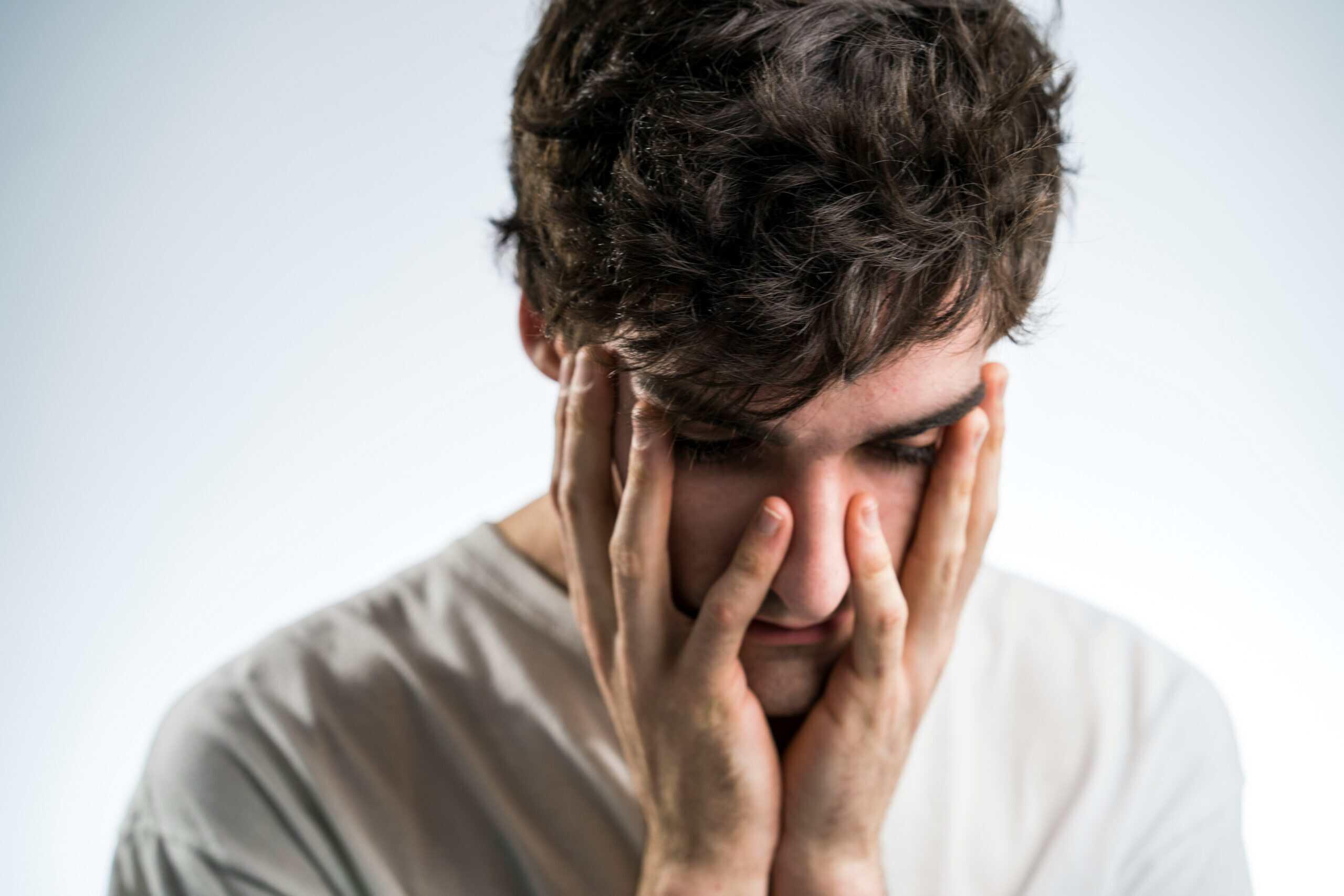
Trigger tracking gets recommended constantly and actually explained rather rarely. The value is not spotting a single culprit, it is building a record specific enough that a doctor can work from it rather than from what you remember.
The tracker below logs the factors most commonly asked about at appointments. Entries stay in your browser and are never stored or transmitted, so copy the log out before closing the page.
Log what was present before an attack. Nothing is stored or sent anywhere. This is a note-taking aid, not a diagnostic tool.
Medical Disclaimer
This is a note-taking aid rather than a diagnostic tool. It records what was present and makes no claim about what caused anything. Migraine diagnosis and treatment belong with a qualified clinician. Seek urgent care for a sudden severe headache unlike any you have had before, or one with fever, confusion, weakness, or vision loss.
What This Records
| Field | Why it is asked about |
|---|---|
| Sleep hours | Both too little and too much are commonly reported |
| Meals skipped | Frequently raised in clinical guidance |
| Water intake | Dehydration is a widely cited factor |
| Stress level | Including the let-down period afterward |
| Screen hours | Light exposure and posture together |
| Weather change | Pressure shifts are frequently reported |
Why a Written Log Beats Memory
Trying to recall the last three months of attacks at an appointment produces a fairly vague account, and vague accounts are difficult for a clinician to work with.
A dated record with specifics turns that conversation into something concrete, showing frequency, duration, and what surrounded each episode.
Memory also distorts in a particular direction. Attacks that followed something memorable get recalled, and attacks that followed an ordinary day get forgotten, which makes any pattern look stronger than it is.
Writing entries close to the event rather than reconstructing them later avoids most of that.
Bringing the log to an appointment is the point of keeping one. Our roundup of migraine journals covers paper alternatives.
Triggers Rarely Work Alone
Thresholds rather than simple switches
Several factors together frequently matter more than one alone.
The same thing does not always trigger
Which is why single-incident conclusions mislead.
The timing varies
Some factors are associated with attacks hours or a day later.
Premonitory symptoms confuse the picture
Cravings before an attack can look like a cause.
The Food Craving Problem
Chocolate is the standard example of a widely suspected trigger that may actually be the reverse of one.
Migraine has a premonitory phase that can begin hours before pain, and food cravings are among the symptoms described in it.
That means someone can crave and eat a particular food because an attack has already begun, then attribute the attack to the food afterward.
The sequence looks identical from the outside, which is why single observations are unreliable regardless of how convincing they feel.
A log kept over weeks helps here, since a genuine association should hold across many instances rather than a memorable few. Our note on whether strong smells trigger migraines covers a similar case.
How Long Before Patterns Appear
Guidance on trigger diaries generally suggests tracking for a period of weeks or longer before drawing conclusions.
The reason is statistical rather than arbitrary. Attacks that happen a few times a month produce very few data points, and a handful of observations cannot separate a real association from coincidence.
Consistency matters considerably more than detail here. A short entry made every single time beats a thorough one made only occasionally.
Logging the days without attacks is equally valuable, since any factor that shows up on days when nothing happened is evidence against it being a trigger at all.
That comparison is the part most informal tracking misses. Our roundup of migraine tracking apps covers longer-term options.
What a Tracker Cannot Do
Correlation showing up in a personal log is a starting point for a conversation with a doctor, not a finding in its own right.
Confounding is the main reason. Poor sleep, high stress, skipped meals, and more screen time frequently arrive together, and a log cannot separate them.
Reverse causation is the other, as the food craving case shows.
A tracker also cannot diagnose. Headaches have many causes, and distinguishing migraine from other types is a clinical judgment rather than a pattern-matching exercise.
Eliminating suspected triggers without guidance carries its own cost, since restrictive avoidance can narrow a life considerably for little benefit. Our note on whether exercise triggers migraines covers one where avoidance has real downsides.
Common Triggers Worth Logging
The fields in the tracker cover what clinical guidance most often lists, and knowing why each appears makes the log more useful than ticking boxes.
Sleep gets asked about in both directions, since irregular schedules and oversleeping are cited alongside sleep deprivation.
Stress is frequently described with a delay, where the attack arrives during the let-down after a demanding period rather than during it.
Hormonal cycles are among the most consistently reported factors for many people, and worth noting alongside the other fields where relevant.
Weather and barometric pressure appear constantly in patient reports, and the research on them is genuinely mixed, which is a reason to log rather than assume. Our guide to common migraine triggers covers the full list.
Using the Log at an Appointment
Bring the frequency and duration
How often and how long matters more than the trigger list.
Note what you took and whether it helped
Medication response is clinically useful.
Flag anything that changed
New patterns matter more than established ones.
Do not arrive with conclusions
Bring observations and let the clinician interpret them.
Privacy and Storage
This particular tracker keeps every entry inside the browser tab only. Nothing is saved to the site, sent anywhere else, or retained at all after you close the page.
That is deliberate, since health information deserves more care than a convenience feature warrants, and a log that never leaves your device cannot be exposed by anyone else’s breach.
The tradeoff is that you have to copy the log out yourself, which the copy button handles.
For long-term tracking, a paper journal or a dedicated app with a clear privacy policy is a better fit than a browser tool.
Anything you paste into a shared document or email carries the usual considerations for health information.
Common Mistakes to Avoid
Concluding from a single instance
Triggers rarely act alone, and premonitory cravings can invert the apparent sequence.
Only ever logging attack days
A factor present on days without attacks is evidence against it.
Eliminating foods without guidance
Restrictive avoidance narrows a life considerably for frequently little benefit.
Treating the log as a diagnosis
It records what was present. Interpretation belongs with a clinician.
Sources
American Migraine Foundation, on trigger identification and headache diaries. National Institute of Neurological Disorders and Stroke, on migraine phases. Mayo Clinic, on migraine symptoms and causes. International Headache Society, on classification of headache disorders.
Recommended Reading
See our roundup of sleep trackers for migraine patterns, our roundup of air quality monitors, our roundup of wearables for tracking, and a note on building a migraine toolkit.
Trigger Tracking FAQ
What does this tracker do?
Logs the factors commonly asked about at appointments alongside a date, so you arrive with a record rather than a recollection.
Is my data stored anywhere?
No. Entries stay in the browser tab and are never saved or transmitted. Copy the log out before closing the page.
How long should I track before drawing conclusions?
Weeks rather than days. Attacks happening a few times a month produce very few data points, and a handful cannot separate association from coincidence.
Should I log days without attacks?
Yes, and it is the part most people skip. A factor present on days without attacks is evidence against it being a trigger.
Why is chocolate a bad example of a trigger?
Migraine has a premonitory phase that can include food cravings. Someone may crave and eat chocolate because an attack has already begun, then blame the chocolate.
Can this diagnose my headaches?
No. Headaches have many causes, and distinguishing migraine from other types is a clinical judgment. This records observations only.
Should I cut out suspected triggers?
Discuss it with a clinician first. Restrictive avoidance can narrow a life considerably, sometimes for little benefit.
When should I seek urgent care?
A sudden severe headache unlike any you have had before, or one with fever, confusion, weakness, or vision loss.
