
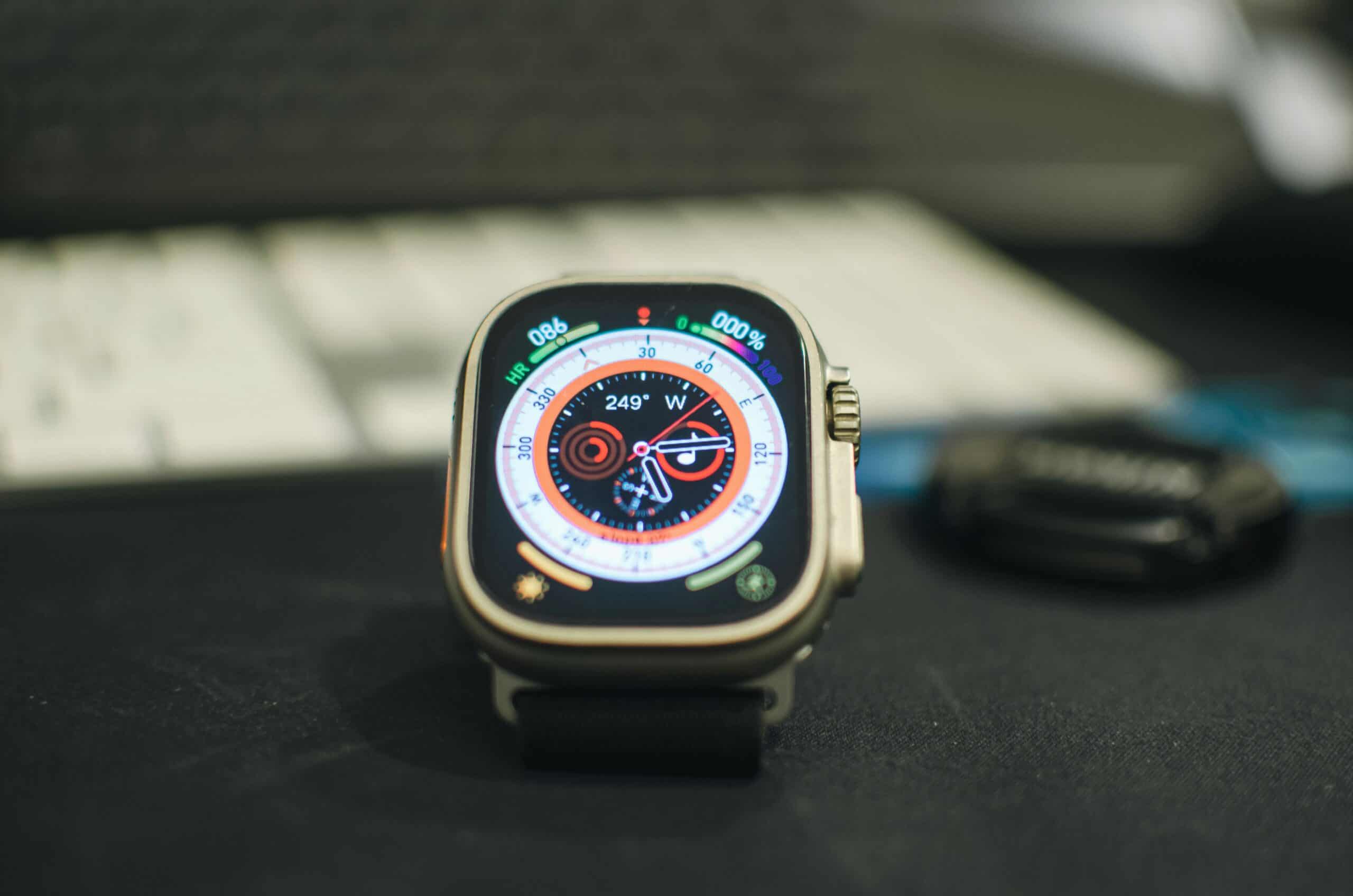
The appeal of a wearable for migraine tracking is that it records without being asked. Sleep, heart rate variability, and activity accumulate whether or not you are having a good week, which removes the bias that creeps into records kept only when you feel up to it.
What no wearable does is know you had an attack. That still requires you to log it, which means a wearable supplements a diary rather than replacing one. Our roundup of migraine tracking apps covers the logging side.
Medical Disclaimer
This is general information about tracking devices, not medical advice. Consumer wearables are not diagnostic instruments, their measurements are estimates rather than clinical readings, and nothing here should guide treatment decisions. Any new, sudden, or severe headache, or headache with neurological symptoms, needs prompt medical attention.
Quick Verdict
A wearable’s value for migraine is sleep and physiological trend data collected consistently. Choose based on comfort overnight and export options rather than on claimed migraine features.
How We Picked
Devices are grouped by what they measure and how comfortably they can be worn overnight, since sleep data is the most relevant output and a device removed at night records none of it. Data export matters alongside, because the point is combining this with an attack log.
Selections reflect documented capabilities. Descriptions come from product research rather than from clinical comparison.
1. A Sleep-Focused Ring, Best Overall
Why It Stands Out
Rings are unobtrusive enough to wear overnight consistently, which is the single requirement that matters most for this use.
They typically report sleep duration, staging estimates, heart rate variability, and temperature trend, which are the physiological measures most discussed in relation to attacks.
Worth Knowing
Sleep staging from consumer devices is an estimate rather than a clinical measurement, and accuracy against sleep laboratory standards varies.
Most require a subscription for full data access. Our roundup of sleep trackers covers the category in detail.
This suits anyone investigating a sleep connection. Skip it if you will not wear it nightly.
2. A Fitness Band, Best Budget Option
Why It Stands Out
Bands cost considerably less than rings or full smartwatches and cover the same core measures: sleep duration, heart rate, and activity.
Battery life is often measured in days rather than hours, which makes consistent overnight wear realistic.
Worth Knowing
Wrist-worn optical sensors are affected by fit and movement, and data quality varies more than the app presentation suggests.
Export options on cheaper devices are frequently limited. Our note on migraine journals covers what to do with the output.
This suits a first attempt at passive tracking. Skip it if you need detailed data export.
3. A Smartwatch With Health Sensors, Best Integration
Why It Stands Out
Smartwatches combine passive measurement with the ability to log an attack directly on the wrist, which removes the friction of finding a phone during one.
Many integrate with dedicated migraine apps, so the physiological data and the attack log end up in one place.
Worth Knowing
Battery life often requires nightly charging, which conflicts directly with overnight sleep tracking.
Bright screens and notifications are a poor fit during an attack with light sensitivity. Our roundup of can skipping meals trigger a migraine covers a lower-stimulation alternative.
This suits people already wearing one. Skip it if charging routine conflicts with night wear.
4. A Chest Strap Heart Rate Monitor, Best Accuracy
Why It Stands Out
Chest straps measure electrical activity directly rather than estimating from optical sensors, which makes heart rate variability figures considerably more reliable.
For anyone specifically investigating an autonomic pattern, the data quality difference is real.
Worth Knowing
Almost nobody wears a chest strap overnight comfortably, which limits it to spot measurements rather than continuous tracking.
It captures nothing about sleep. This is a supplementary device rather than a primary one.
This suits focused HRV measurement. Skip it as an everyday tracker.
5. A Wearable Air Quality or Environment Sensor, Best Trigger Context
Why It Stands Out
Portable sensors record what you were actually exposed to rather than what the regional weather station reported, which is a meaningful difference indoors.
For anyone suspecting an environmental factor, personal exposure data is more relevant than area averages.
Worth Knowing
Consumer environmental sensors vary widely in accuracy and calibration.
Adding another data stream also adds another opportunity to find coincidental correlations. Our roundup of air quality monitors covers the fixed versions.
This suits a specific environmental suspicion. Skip it as a general tracker.
6. Your Phone Alone, Best Starting Point
Why It Stands Out
Phones already record steps, screen time, and often sleep estimates, and pairing that with a diary app costs nothing and requires no new device.
Starting here tells you whether passive data is useful to you before spending anything.
Worth Knowing
Phone-derived sleep data is less reliable than a worn device, since it infers from phone use rather than measuring the body.
It captures no heart rate or temperature data. Our roundup of diary apps covers the software.
This suits anyone starting out. Skip it if you have already identified a sleep question worth measuring properly.
What Each Measures
| Device | Sleep | HRV | Overnight wear | Best for |
|---|---|---|---|---|
| Sleep ring | Yes | Yes | Comfortable | Sleep patterns |
| Fitness band | Yes | Basic | Comfortable | Budget tracking |
| Smartwatch | Yes | Yes | Charging conflict | Logging on wrist |
| Chest strap | No | Best | Impractical | Focused HRV |
| Environment sensor | No | No | N/A | Exposure data |
| Phone only | Estimated | No | N/A | Starting out |
Getting Useful Data Out of One
The single decision that determines whether a wearable helps is whether you wear it overnight consistently. Sleep is the measure with the strongest documented relationship to attacks, and a device on a charger records nothing.
That points at comfort over specifications. A basic band worn every night produces more usable data than a sophisticated watch worn four nights a week, and no amount of sensor quality compensates for missing days.
The second decision is whether the data can leave the manufacturer’s app. Combining physiological trends with an attack log means having both in one place, and locked ecosystems make that manual work that most people abandon.
Start with one question rather than a dashboard. Whether short sleep precedes attacks is answerable. Whether any of six metrics relates to anything is not, and chasing it produces coincidental patterns rather than answers.
What Wearables Cannot Do
No consumer wearable detects a migraine attack. Whatever the marketing suggests, the device records physiological measures and you supply the information about whether an attack occurred.
They are also not diagnostic instruments. Sleep staging, heart rate variability, and temperature readings from consumer devices are estimates, and their agreement with clinical measurement varies by device and by wearer.
And more data streams mean more opportunities for coincidental correlation. A device generating six metrics daily will produce apparent patterns whether or not anything real is happening.
Our note on weather-triggered migraine covers the same limitation in forecasting.
What to Look For
Will you wear it overnight?
Sleep data is the most relevant output, and a device charging on a nightstand records none of it. Comfort decides this more than specifications do.
Can you export the data?
Combining physiological data with an attack log requires getting it out of the manufacturer’s app. Locked ecosystems limit what you can actually analyze.
What does it cost ongoing?
Subscription fees for full data access are common, and the device price is frequently not the whole cost.
Does it integrate with your diary?
Two apps that do not talk to each other means manual cross-referencing, which is exactly the friction that ends tracking habits.
Common Mistakes to Avoid
Expecting attack detection
No consumer device does this. The attack log still comes from you, and a wearable supplements a diary rather than replacing one.
Treating estimates as measurements
Sleep stages and HRV from a wrist or finger are approximations. Reading them as clinical figures overstates what they can support.
Adding streams without a question
More metrics produce more coincidental patterns. Starting with a specific suspicion beats collecting everything and looking for something.
Stopping the manual diary
Passive data without attack records answers nothing, since there is no outcome to compare against. Our note on whether exercise triggers migraine covers the manual half.
Recommended Reading
See our note on whether lack of sleep causes migraines, our guide to questions to ask a neurologist, our roundup of how stress triggers migraines, and a note on sleeping with a migraine, and spotting patterns in tracking data, and whether noise is a trigger or a symptom.
Migraine Wearable FAQ
Can a wearable detect a migraine?
No consumer device does this. Wearables record physiological measures such as sleep, heart rate, and variability, and you still supply the information about whether an attack occurred and how bad it was.
Which measurement matters most?
Sleep, since sleep disruption in either direction has consistent documented association with attacks. That makes overnight comfort the most important practical feature of any device you are considering.
Is heart rate variability useful for migraine?
Some research suggests physiological changes precede attacks, and translating that into reliable individual prediction is not settled. Consumer HRV figures are also estimates rather than clinical measurements.
Do I still need a diary?
Yes. Passive data with no attack log has nothing to compare against, which means it cannot answer any question about patterns. The wearable supplements the diary rather than replacing it.
Are sleep stages from a wearable accurate?
They are estimates, and agreement with sleep laboratory measurement varies by device. Sleep duration and consistency are generally more reliable than stage breakdowns and are also more useful here.
Is a ring better than a watch?
For this purpose, often yes, because rings are comfortable enough to wear every night while many watches need nightly charging. That conflict costs you exactly the data you most want.
Do I need to pay a subscription?
Several devices require one for full data access, so the purchase price is frequently not the total cost. Checking what is available without a subscription is worth doing before buying.
Will more data help me find my triggers?
Not necessarily. More metrics produce more coincidental correlations, and a specific question assessed carefully beats collecting everything and searching for something that stands out.
When should I see a doctor?
For any new, sudden, or severe headache, headache with weakness, numbness, speech difficulty, vision loss, confusion, seizure, or fever with a stiff neck. Also see a doctor if the pattern is worsening or changing, regardless of what any device shows.
Sources
- Headache Classification Committee of the International Headache Society. The International Classification of Headache Disorders, 3rd edition. Cephalalgia. 2018;38(1):1-211. https://ichd-3.org/
- Chaix B, Bibault JE, Guillemasse A, et al. Wearables and headache: a review of consumer device use in headache research. Cephalalgia. https://journals.sagepub.com/home/cep
- National Institute of Neurological Disorders and Stroke. Migraine. National Institutes of Health. https://www.ninds.nih.gov/health-information/disorders/migraine
For the wider picture, see our guide to how to choose migraine glasses.
