
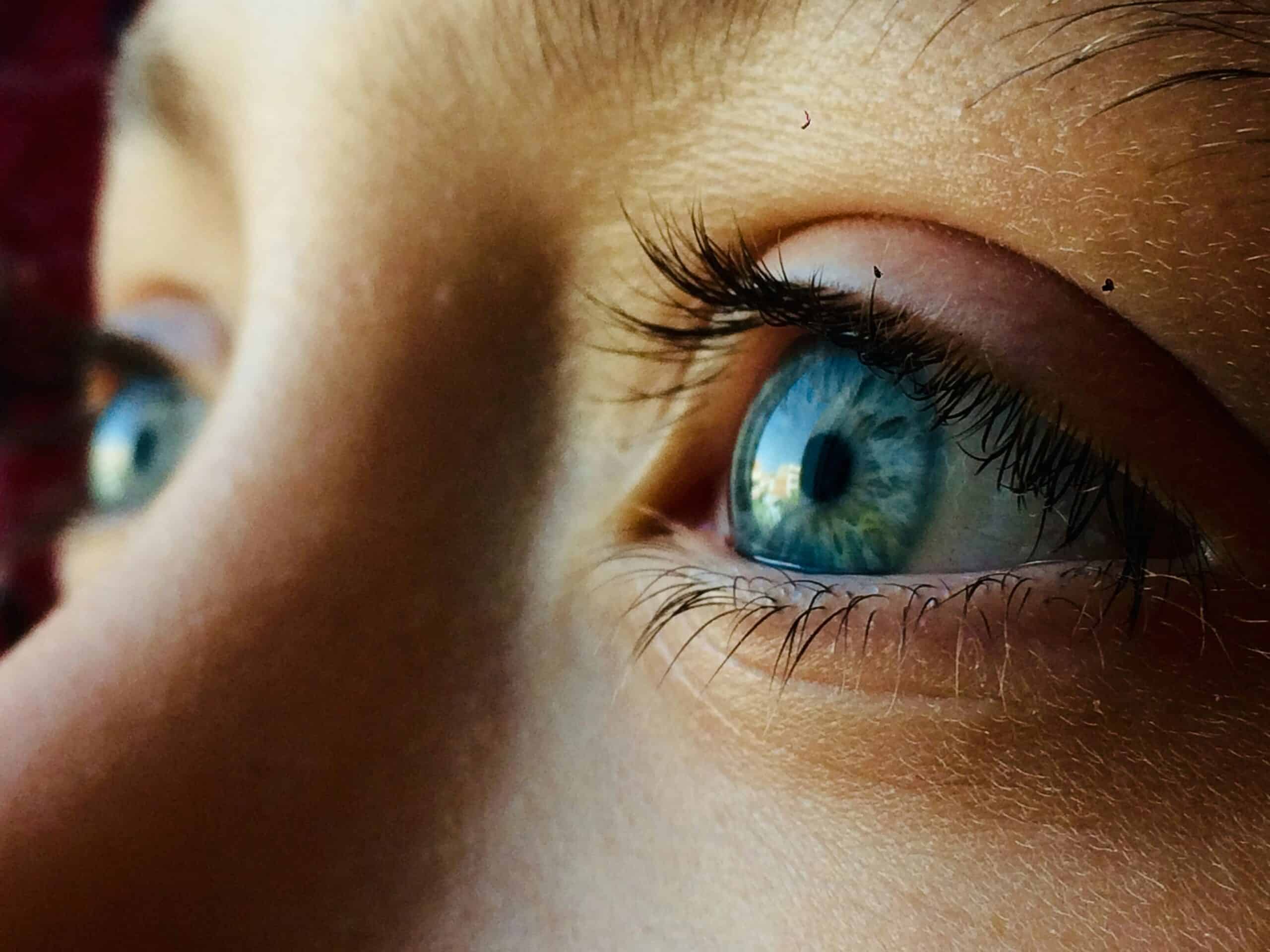
Yes, through several distinct routes, and dryness is the most common of them. Contact lenses can cause headaches because they sit on the eye surface rather than in front of it, which changes the tear film, the focusing demand, and the stability of the image.
Each route has a different fix, so identifying which one applies matters. Our guide to eye strain and migraines covers the general relationship between visual effort and head pain.
Medical Disclaimer
This article is general information about contact lens wear and headache. It is not medical advice or a substitute for a contact lens examination. Contact lenses are medical devices and improper wear risks serious eye complications. Eye pain, redness, discharge, or any loss of vision requires prompt professional care, not a guide.
Quick Answer
The usual causes are dryness from reduced tear exchange, a power or fit that is slightly wrong, toric lenses rotating out of position, and adaptation to monovision. Contact lens power also differs from spectacle power in stronger prescriptions, which changes focusing demand. Start with dryness and wearing time, then have the fit verified.
Key Takeaways
- Dryness is the most frequent complaint and the most frequent cause.
- Contacts change focusing demand compared with glasses, not only clarity.
- Toric lenses for astigmatism must hold their rotational position.
- Blur that comes and goes with a blink points to rotation or dryness.
- Over-wearing beyond the prescribed schedule raises discomfort and risk.
- Monovision adaptation causes headaches in some wearers and never settles in a few.
- A lens fit is measured, so persistent symptoms mean a recheck rather than persistence.
| Cause | What it feels like | What to do |
|---|---|---|
| Dryness and reduced tear exchange | Gritty late in the day, ache behind the eyes | Shorter wear, lubricating drops approved for lenses |
| Toric lens rotating | Blur that comes and goes, worse when tired | Have the fit and stability checked |
| Power slightly off | Steady effort, ache after visual tasks | Ask for an over-refraction while wearing them |
| Lens too tight | Pressure, redness, poor movement on blinking | Return promptly for a fit assessment |
| Lens too loose | Awareness of the edge, shifting vision | Return for a different base curve |
| Old or deposited lenses | Hazy vision, growing discomfort through the month | Replace on schedule, review the care routine |
| Monovision adaptation | Disorientation, ache, reduced depth perception | Give it a fair trial, then discuss alternatives |
Why Contacts Differ Optically From Glasses
A contact lens rests directly on the cornea, while a spectacle lens sits a short distance in front of it. That gap changes the optics in ways that matter for stronger prescriptions.
The National Eye Institute describes contact lenses as thin lenses worn directly on the surface of the eye to correct refractive errors. That placement is the whole source of the differences below.
Contact lens power is therefore not simply copied from a spectacle prescription. The required power is calculated for the new position, which is one reason a contact lens fitting is a separate appointment.
Focusing demand changes too. Moving correction onto the eye alters how much accommodative effort near work requires compared with the same correction in a frame.
Image size shifts slightly as well. Most people never notice, but someone with a significant prescription can find the change in scale mildly disorienting at first.
Dryness Is the Most Common Cause
The tear film gets divided
A lens sits within the tear film and splits it, which reduces how effectively the surface is resurfaced with each blink.
Screens make it sharper
Blink rate falls during concentrated screen work, so lens wearers lose their resurfacing at exactly the moment they need it most. Our guide to screen time and migraines covers that side.
The pain is indirect
Dryness itself is a surface symptom. The head pain comes from squinting and from continuous refocusing against an unstable image.
The timing is a clue
Discomfort that appears in the last hours of wear and clears when the lenses come out is a dryness pattern rather than a power problem.
Fit, Rotation, and Old Lenses
A contact lens has to move slightly with each blink without sliding out of position. Too tight and it restricts tear exchange. Too loose and vision shifts every time you blink.
Toric lenses, used to correct astigmatism, add a further requirement. They must hold a specific rotational orientation, because their correction acts along one axis.
When a toric lens rotates, the axis no longer matches the eye and the image blurs until the lens resettles. That produces intermittent blur that many wearers describe as vision drifting in and out.
The American Optometric Association recommends regular follow-up care for contact lens wearers, since fit, prescription and surface health all change over time. A lens that once fitted well is not permanently correct.
Replacement schedules matter for the same reason. Deposits accumulate, the surface roughens, and both clarity and comfort decline toward the end of a lens’s intended life.
Monovision and the Adaptation Question
Monovision corrects one eye for distance and the other for near, which removes the need for reading glasses. It also asks the brain to suppress one image at a time.
The American Academy of Ophthalmology notes that monovision requires an adaptation period and that reduced depth perception is part of the arrangement. Some wearers adapt readily and some never do.
Headache during that period is common and usually eases. Headache that persists after a fair trial is a reason to discuss multifocal contact lenses or a different approach.
Keeping a short written record makes that conversation concrete. Our guide to what to record in a migraine diary covers the format.
What to Change First
- Cut the wearing time before anything else. If shorter wear removes the ache, dryness is the cause.
- Use drops approved for lens wear. Not every lubricating drop is compatible with soft lenses.
- Replace on schedule. Stretching a lens past its life is a common and avoidable source of discomfort.
- Blink deliberately at screens. Full closures, not partial ones.
- Ask for an over-refraction. This checks the power while you are actually wearing the lenses.
- Raise rotation specifically if you wear torics. Describe blur that drifts rather than blur that stays.
- Keep a glasses option for long days. Alternating gives the surface time to recover.
Our roundup of eye drops for screen eye strain covers the over-the-counter category, with the caveat that lens compatibility is listed on the packaging.
Light sensitivity is one problem contacts cannot address, since a tinted lens on the eye is not a practical filter. Tinted spectacles worn over contacts are the usual route, and our comparison of migraine glasses and regular sunglasses covers the difference between the options.
Related Reading
Frequently Asked Questions
Can contact lenses cause headaches?
Yes, through several routes. Dryness from reduced tear exchange is the most common, followed by a power or fit that is slightly wrong, toric lenses rotating out of position, and monovision adaptation. Each has a different remedy, so identifying which pattern fits your symptoms is the useful first step.
Why do my eyes ache only at the end of the day?
That timing points to dryness rather than to power. A lens divides the tear film and reduces how well each blink resurfaces the eye, so discomfort accumulates through the wearing period. Shortening wear time is the quickest way to confirm it, and improvement is diagnostic.
Can the wrong prescription be in my contacts?
It can, and contact lens power is not a direct copy of a spectacle prescription. Because the lens sits on the eye rather than in front of it, the required power is calculated differently for stronger corrections. Ask for an over-refraction, which checks the result while you wear them.
Why does my vision drift in and out with astigmatism lenses?
Toric lenses correct along a specific axis and must hold their rotational position on the eye. When one rotates, the axis stops matching and the image blurs until the lens resettles. Describe it as drifting rather than as constant blur, since that distinction points to stability rather than power.
Does wearing contacts too long cause headaches?
Over-wear contributes to discomfort and raises the risk of more serious complications. Lenses have prescribed wearing schedules and replacement intervals for reasons involving oxygen supply, tear exchange and deposits. Exceeding either produces symptoms that no eye drop resolves.
Are contacts or glasses better if I get headaches?
Neither is universally better, and the answer depends on the cause. Contacts remove frame pressure and peripheral distortion. Glasses avoid surface dryness and are easier for long screen days. Many people who get headaches with one do best alternating rather than committing to either.
Can I use regular eye drops with contacts in?
Not all of them. Some drops are formulated for use with soft lenses and others are not, and the packaging states which. Redness-relief drops are a separate category from lubricating drops. Ask the prescriber which product suits your lens material and your replacement schedule.
When should I see a professional about this?
See an eye care professional promptly for eye pain, redness, discharge, or any loss of vision, since contact lens complications can be serious. Book a fit review for persistent discomfort or drifting vision. See a doctor separately about the headaches if they are frequent, severe, or changing in pattern.
Sources
- American Optometric Association. Contact lenses and contact lens care.
- American Academy of Ophthalmology. Contact lenses: types, risks, and monovision.
- National Eye Institute, National Institutes of Health. Contact lenses.
