
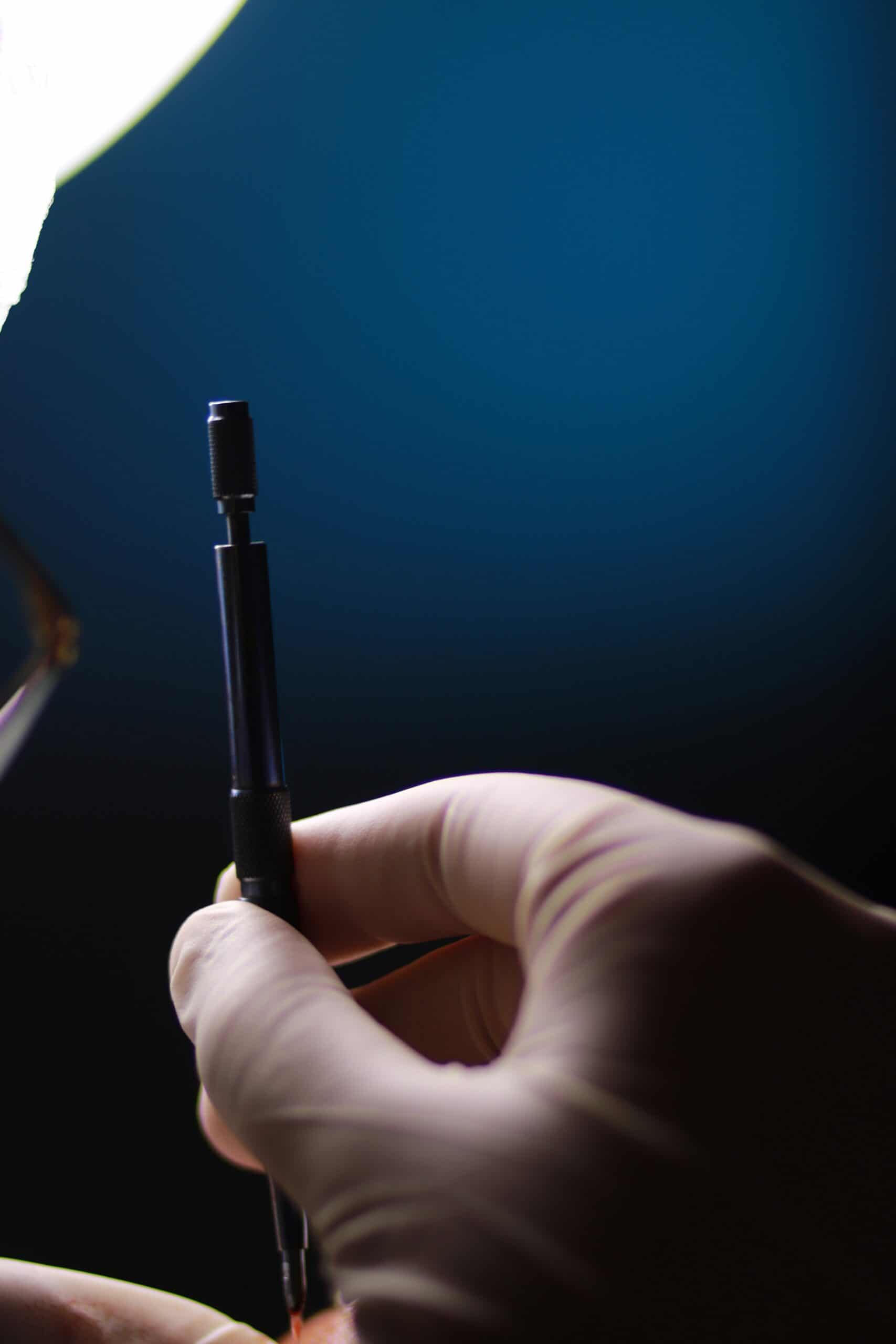
Acupressure pens are simple handheld tools that apply targeted pressure to specific points, and some people with migraine find them a soothing, drug-free comfort measure to have on hand. It is worth being clear up front: the evidence for acupressure and migraine is limited, and these tools are a complementary comfort option, not a treatment. This guide explains what the research does and does not show, and compares the pens and related tools worth considering. This is general information, not medical advice; talk to your doctor about managing your migraines. The six picks below cover the main options.
Quick Verdict
A basic acupressure pen is the best starting point for anyone curious about applying targeted pressure at home, since it is inexpensive and low-risk. Adjustable-intensity pens offer more control, and wrist acupressure bands are the option with the most research support, specifically for migraine-related nausea. Acupressure is a complementary comfort tool, not a substitute for medical care, so keep expectations realistic and involve your doctor.
Why Trust This Guide
Independent picks, reader-supported through affiliate links at no cost to you. Because this is a health topic, the guidance here reflects sources like the National Center for Complementary and Integrative Health and peer-reviewed research rather than marketing claims, and the sources are cited below. This is not medical advice, and acupressure is not a established migraine treatment; always consult your doctor about your care.
Key Takeaways
- Evidence specific to acupressure for migraine is limited and inconclusive, though it is generally low-risk.1
- The strongest support is for wrist acupressure at the PC6 point helping with migraine-related nausea.2
- Acupressure is a complementary comfort measure, not a replacement for medical treatment.1
- People with certain conditions should check with a doctor first, and acupressure should not delay proper care.
What the Research Shows
Being honest about the evidence matters on a health topic. The National Center for Complementary and Integrative Health reports moderate-quality evidence that acupuncture may reduce migraine frequency, though how much of the effect reflects real physiological change versus expectation is unclear.1 Acupressure, which applies pressure rather than needles, is less studied, and the overall evidence is limited. The clearest specific finding is that wrist acupressure at the PC6 point may help reduce migraine-related nausea.2 In short, acupressure is a low-risk comfort tool some people value, not a established treatment, and it should complement rather than replace medical care.
How We Picked the Best Acupressure Tools
We compared acupressure pens and related tools on ease of use, control over pressure, portability, and evidence context. Because the research is limited, we prioritized low-risk, inexpensive, easy-to-use options and were transparent about what each can reasonably offer. We noted where a tool, like wrist bands for nausea, has more specific support. The picks span simple pens to evidence-backed wrist bands.
1. Basic Acupressure Pen
Why It Stands Out
A basic acupressure pen is the best starting point. Inexpensive and simple, it lets you apply targeted, controlled pressure to specific points at home, which is an easy, low-risk way to try acupressure. For the curious, it is a low-commitment place to begin.
Worth Knowing
It is a comfort tool, not a treatment, so keep expectations realistic and involve your doctor in your migraine care.1 Learning correct point locations from a reliable source helps you use it as intended.
Try it if you want a simple, low-cost way to explore acupressure. Skip it if you prefer approaches with stronger evidence.
Check Price on Amazon2. Adjustable-Intensity Acupressure Pen
Why It Stands Out
An adjustable-intensity acupressure pen is the best pick for control. A dial or adjustable tip lets you tune the pressure to a level that feels comfortable, so you can start gentle and adjust to preference. For those who want to fine-tune the sensation, adjustability is welcome.
Worth Knowing
More pressure is not necessarily more helpful, so comfort should guide you. As with any acupressure tool, it is a complementary comfort measure rather than a treatment.1
Try it if you want to control the intensity. Skip it if a simple fixed pen suits you.
Check Price on Amazon3. Acupressure Pen Set with Tips
Why It Stands Out
An acupressure pen set with interchangeable tips is the best pick for variety. Different tip shapes let you apply pressure in ways that suit different points and preferences, giving flexibility in one kit. For anyone who wants options, a set covers more ground than a single pen.
Worth Knowing
More tips add versatility but not established effectiveness, so choose based on comfort. Keep the tips clean, and use them gently on the skin.
Try it if you want several tip options. Skip it if you prefer a single simple tool.
Check Price on Amazon4. Acupressure Ring or Finger Tool
Why It Stands Out
An acupressure ring or finger tool is the best pick for portability. Small enough to keep in a pocket or bag, it lets you apply gentle pressure to the hands discreetly wherever you are, which some people find relaxing. For on-the-go comfort, its size is the appeal.
Worth Knowing
Like other acupressure tools, it is a comfort measure with limited migraine-specific evidence. Use it gently, and stop if it feels uncomfortable.
Try it if you want something pocket-sized. Skip it if you prefer a pen for targeted points.
Check Price on Amazon5. Wrist Acupressure Bands
Why It Stands Out
Wrist acupressure bands are the best pick for migraine-related nausea. These bands apply continuous pressure to the PC6 point on the inner wrist, and a peer-reviewed study found PC6 acupressure helped reduce nausea during migraine attacks.2 For the nausea that often accompanies migraine, this is the option with the most specific support.
Worth Knowing
The support is for nausea, not for stopping migraine pain itself, so frame expectations accordingly.2 Position the band correctly over the PC6 point for it to work as intended.
Try them if migraine nausea is a problem for you. Skip them if nausea is not a concern.
Check Price on Amazon6. Budget Acupressure Pen
Why It Stands Out
A budget acupressure pen is the best value pick. Since acupressure is something many people simply want to try, an inexpensive pen lets you experiment without much outlay. For a low-cost, low-risk trial, a value pen is a sensible entry.
Worth Knowing
Very cheap tools may feel flimsy, though the function is simple. Remember it is a comfort tool, and keep your doctor involved in managing your migraines.1
Try it if you want the lowest-cost option. Skip it if you want a sturdier adjustable pen.
Check Price on AmazonAcupressure Tools at a Glance
| If you want this | Reach for | Why |
|---|---|---|
| A simple starting point | Basic Pen | Inexpensive, easy, low-risk |
| Control over pressure | Adjustable Pen | Tune the intensity |
| Tip variety | Pen Set | Different tips in one kit |
| Pocket portability | Ring or Finger Tool | Discreet and small |
| Migraine nausea | Wrist Bands | PC6 point, most research support |
| The lowest cost | Budget Pen | Low-risk trial |
How to Use Acupressure Tools Sensibly
Keep Expectations Realistic
Acupressure is a low-risk comfort measure with limited migraine-specific evidence, so approach it as something that may help you feel more relaxed rather than a treatment.1 Wrist bands have the most support, and specifically for nausea, so match your expectations to what the research actually shows.
Learn the Points From a Reliable Source
Acupressure targets specific points, so learning their locations from a trustworthy source helps you use the tools as intended. Apply gentle, comfortable pressure rather than forcing it, and stop if anything feels painful.
Use It Alongside, Not Instead Of, Care
Acupressure should complement your medical care, not replace it, and it should never delay proper treatment for migraine. Keep using your prescribed approaches and see our guides to migraine relief products and stopping a migraine fast for the bigger picture.
Check With Your Doctor If Unsure
Some people, including those with certain heart or circulation conditions, should check with a doctor before trying acupressure. If you have any health concerns or your migraines are changing, talk to your doctor, who can guide safe, appropriate care.
Common Mistakes to Avoid
Treating It as a Cure
Acupressure is not a established migraine treatment, and expecting it to stop attacks can lead to disappointment and delayed care. Think of it as a possible comfort measure, and rely on medical treatment for actually managing your migraines.1
Applying Too Much Pressure
Pressing hard does not make acupressure more effective and can cause discomfort or bruising. Use gentle, comfortable pressure, and stop if it hurts, since the goal is relaxation rather than intensity.
Skipping Medical Care
Relying on acupressure instead of seeing a doctor can delay proper diagnosis and treatment. Use it as a complement to medical care, and always seek professional help for new, severe, or changing migraine symptoms.
Ignoring Warning Signs
A migraine that is sudden, severe, or different from your usual pattern needs medical attention, not a comfort tool. Never let any at-home measure substitute for prompt care when something feels seriously wrong.
Recommended Reading
- acupressure mats for migraine
- anti-nausea products for migraine
- neck massagers for migraine
- TENS units
- migraine relief bands
- scalp massagers
- migraine glasses
Frequently Asked Questions
Do acupressure pens work for migraines?
The evidence specific to acupressure for migraine is limited and inconclusive, so acupressure pens are best seen as a low-risk comfort tool rather than a established treatment.1 Some people find them relaxing, and wrist acupressure has the most support, specifically for migraine-related nausea.2
What does the research say about acupressure and migraine?
Acupuncture has moderate-quality evidence for reducing migraine frequency, while acupressure is less studied and its overall evidence is limited.1 The clearest specific finding is that wrist acupressure at the PC6 point may help with migraine nausea.2 More high-quality research is needed.
Are acupressure pens safe?
For most people, acupressure is low-risk when used gently, though some individuals, such as those with certain heart or circulation conditions, should check with a doctor first. Use gentle pressure, stop if it hurts, and treat it as a complement to, not a replacement for, medical care.
Which acupressure tool is best for migraine nausea?
Wrist acupressure bands are the option with the most specific support, since a peer-reviewed study found PC6 wrist acupressure helped reduce nausea during migraine attacks.2 Position the band correctly over the PC6 point on the inner wrist for it to work as intended.
Can acupressure replace my migraine medication?
No. Acupressure is a complementary comfort measure, not a treatment, and it should never replace prescribed medication or delay medical care.1 Keep following your doctor’s guidance and use acupressure only as an optional addition if you find it soothing.
How do I use an acupressure pen?
Apply gentle, comfortable pressure to specific points, learning their locations from a reliable source, and stop if anything feels painful. Approach it as a relaxing comfort practice rather than a treatment, and involve your doctor in your overall migraine management.
When should I see a doctor about my migraines?
See a doctor if your migraines are new, severe, frequent, or changing, or if you are struggling to manage them, and seek urgent care for sudden or unusually severe symptoms. A doctor can properly diagnose and treat migraine, which at-home comfort tools cannot do.
Is acupressure the same as acupuncture?
No. Acupuncture uses needles inserted by a trained practitioner, while acupressure applies pressure to points and can be done at home. They stimulate similar points, but they are different practices, and acupuncture has been more widely studied for migraine than acupressure.1
Sources
- National Center for Complementary and Integrative Health, Traditional Chinese Medicine: What You Need To Know, on the evidence for acupuncture and complementary point-stimulation approaches and the importance of medical care. https://www.nccih.nih.gov/health/traditional-chinese-medicine-what-you-need-to-know
- Allais G, et al. Acupressure in the control of migraine-associated nausea. Neurological Sciences (PubMed), on PC6 wrist acupressure reducing nausea during migraine attacks. https://pubmed.ncbi.nlm.nih.gov/22644205/
Our guide to whether acupressure helps migraines covers why the acupuncture evidence does not transfer.
