
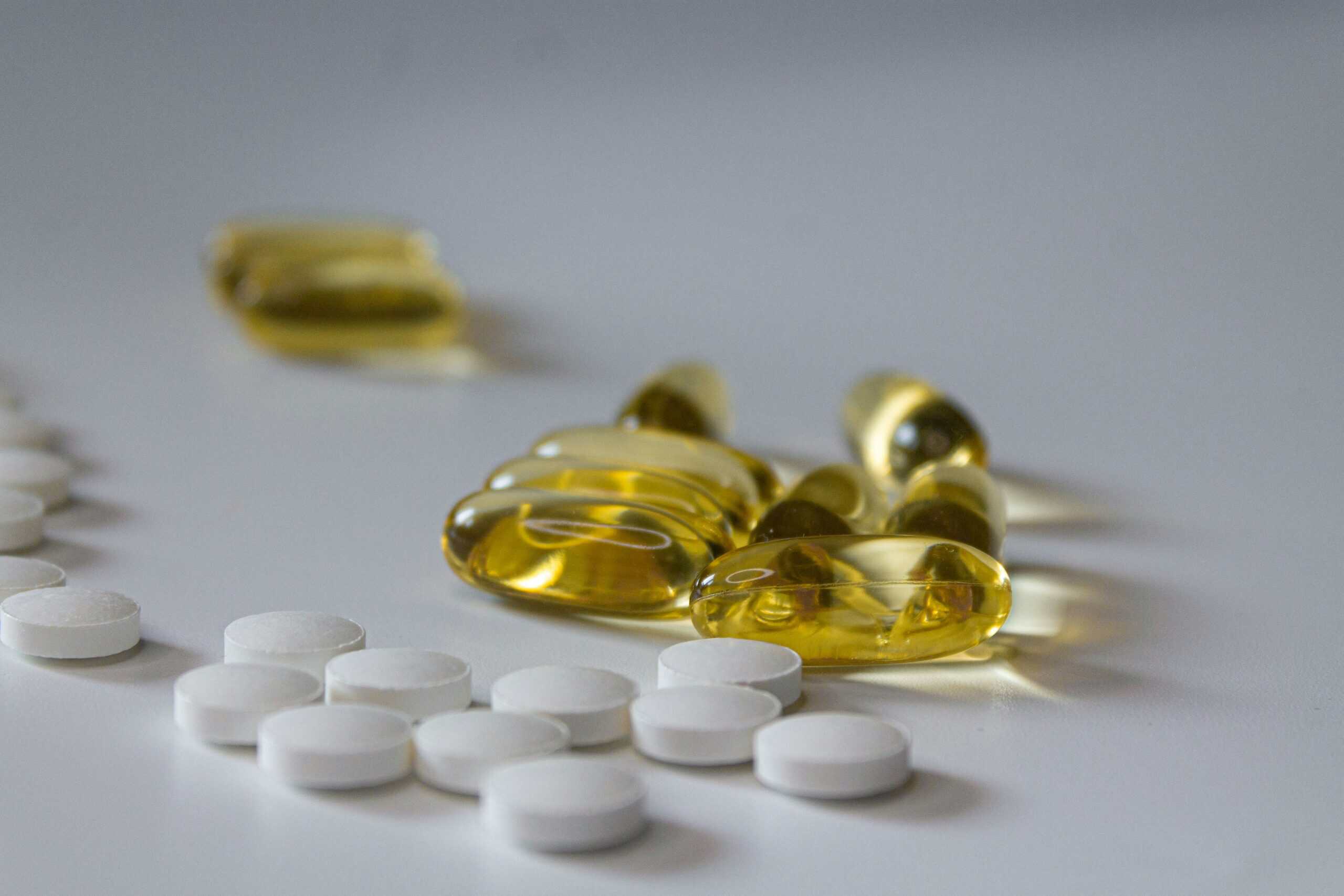
The best omega-3 supplements for migraine deliver something most fish oils don’t: a high EPA-to-DHA ratio that recent clinical research links specifically to reduced migraine frequency. A 2024 randomized controlled trial in BMJ found that high-EPA omega-3 supplementation reduced monthly migraine days by 30% over 16 weeks, compared to 6% with low-EPA control formulas. The difference came down to the ratio of EPA (eicosapentaenoic acid) to DHA (docosahexaenoic acid) in the supplements, not the total fish oil amount. Most generic omega-3 supplements miss this distinction entirely.
Omega-3 fatty acids work for migraine through anti-inflammatory pathways. EPA specifically reduces the production of pro-inflammatory eicosanoids that contribute to neurovascular inflammation in migraine. The brain absorbs and uses EPA differently than DHA, with EPA having stronger anti-inflammatory effects while DHA primarily supports neural structure. For migraine prevention, you want supplements that prioritize EPA content over total omega-3 dose.
The five picks below all deliver clinically meaningful EPA doses (typically 1,000+ mg per day at recommended dosing). Each one earned its slot through high EPA content, third-party purity testing, and fresh-fish-oil quality that prevents the rancidity issues common in cheaper supplements.
Medical disclaimer: This article shares general information for educational purposes. It does not replace medical advice from your healthcare provider. Omega-3 supplements can interact with blood thinners and increase bleeding risk. Always consult your doctor before starting any new supplement, especially before surgery or if you take medications.
This is general information, not medical advice. Supplements can interact with medications and are not a substitute for care from a doctor, so talk to a healthcare professional before starting one.
Why the EPA Ratio Matters for Migraine Prevention
Most omega-3 research over the past 20 years focused on DHA for cognitive and cardiovascular benefits. Migraine research has shifted its focus toward EPA. The 2024 BMJ trial used a 3:1 EPA-to-DHA ratio formula that produced significantly better migraine results than balanced or DHA-dominant alternatives. This matches earlier mechanistic research showing EPA’s more direct anti-inflammatory effects in neurological tissues.
The practical implication: total fish oil dose matters less than EPA content. A supplement labeled “1,000 mg fish oil” might contain 180 mg EPA and 120 mg DHA, while another labeled “1,000 mg fish oil” contains 600 mg EPA and 200 mg DHA. The second supplement delivers more than three times the migraine-relevant active compound at the same total dose. Reading labels for specific EPA and DHA content is essential.
Clinical research suggests migraine sufferers benefit from 1,000 to 2,400 mg of combined EPA and DHA daily, with EPA representing at least 60% of the total. Most quality high-EPA supplements deliver this at 2 to 4 capsules daily, depending on concentration. Lower-quality supplements require 6 to 8 capsules to reach the same dose, which most users won’t sustain long-term.
What to Look for in Omega-3 Supplements for Migraines
Five specs separate clinically effective migraine omega-3 supplements from generic fish oil that doesn’t deliver. Get these right, and you’ll know whether omega-3s work for your migraines within 12 to 16 weeks.
EPA Content and Ratio
Look for supplements with at least 500 mg EPA per serving and an EPA-to-DHA ratio of 2:1 or higher. The 2024 BMJ trial used 3:1 EPA-to-DHA. Some specialized formulations push this to 7:1 EPA-dominant for inflammation-focused use. Match dosing to clinical research rather than buying based on total fish oil weight on the label.
Third-Party Purity Testing
Fish oil can contain mercury, PCBs, dioxins, and other contaminants from oceanic pollution. Look for IFOS (International Fish Oil Standards) certification, USP Verified, or NSF International certification confirming purity. Quality brands publish certificates of analysis showing specific contaminant levels for each batch.
Freshness and Oxidation
Fish oil oxidizes (turns rancid) on contact with air and heat. Rancid fish oil produces fishy burps, may worsen inflammation rather than reducing it, and loses its therapeutic effect. Look for supplements with low oxidation (TOTOX) values under 26, antioxidants like vitamin E added to prevent oxidation, and a short supply chain (date of manufacture clearly stated).
Form (Triglyceride vs Ethyl Ester)
The triglyceride (TG) form of fish oil absorbs better than the ethyl ester (EE) form, with research showing about 70% better bioavailability. Most premium omega-3 supplements use TG form. Cheaper supplements often use the EE form. Check the label for “triglyceride form” or “natural form” rather than just total omega-3 weight.
Dose per Capsule
Look for supplements delivering at least 250 mg EPA per capsule, ideally 500 mg or higher. Lower-concentration supplements require taking 6 to 8 capsules daily to reach therapeutic doses, which most users abandon within weeks. High-concentration supplements deliver clinical doses at 2 to 3 capsules daily, supporting long-term compliance.
Best Omega-3 Supplements for Migraines in 2026: Our Top 5 Picks
Five supplements, five strengths. Each pick earned its slot through high EPA content, third-party purity testing, and real-world tolerability.
1. Nordic Naturals ProOmega 2000, Best Overall
Best Overall | Price: ~$45 per 120-softgel bottle
Nordic Naturals ProOmega 2000 earns the top slot because it combines high EPA content (650 mg per softgel), triglyceride form for superior absorption, and the strongest purity standards in the supplement industry. Each two-softgel serving delivers 1,300 mg EPA and 450 mg DHA, hitting the clinical research target with the right ratio. Nordic Naturals publishes IFOS testing results for every batch, with their products consistently scoring 5 stars (the highest tier) for purity, freshness, and concentration.
ProOmega 2000 is widely reported to integrate easily into a daily routine without fishy burps or aftertaste. The lemon flavoring works without overwhelming the capsule, and the molecular distillation removes the heavy metals and PCBs that taint cheaper alternatives. The Norwegian sourcing and short supply chain support freshness in ways that American-sourced fish oils often don’t match.
The trade-off is price compared to budget alternatives. At $45 for 60 servings (about $0.75 per day), the supplement costs more than basic fish oil. The justification is the EPA-to-DHA ratio, purity, and freshness that determine whether the supplement actually delivers clinical migraine effects. For migraine sufferers committed to omega-3 prevention, this is the buy that works.
Key Features
- 650 mg EPA per softgel
- 2.9:1 EPA-to-DHA ratio
- Triglyceride form for superior absorption
- IFOS 5-star certified for purity and freshness
- Norwegian sourced with molecular distillation
PROS:
- High EPA content matches clinical research targets
- Triglyceride form absorbs better than ethyl ester
- IFOS 5-star purity certification
- No fishy burps or aftertaste in testing
- Trusted brand with published batch testing
CONS:
- Premium price compared to the budget fish oil
- Lemon flavor may not suit all users
- Softgel size larger than some alternatives
- 60-day supply at recommended dosing
Best for: Migraine sufferers serious about omega-3 prevention, who want clinical-grade quality. Pair with our guide to magnesium supplements for migraine prevention for layered preventive support.
2. Sports Research Omega-3 Fish Oil, Best Budget
Best Budget | Price: ~$30 per 90-softgel bottle
Sports Research Omega-3 is what I recommend when someone needs clinical-grade quality without the premium price tag. Each softgel delivers 690 mg EPA and 260 mg DHA in triglyceride form, with each two-softgel serving exceeding 1,300 mg EPA. At $30 for 45 servings, this works out to about $0.67 per day, close to Nordic Naturals pricing but at slightly higher EPA content per dose.
Sports Research uses IFOS-certified fish oil with third-party testing for purity. The brand isn’t as well-established as Nordic Naturals, but the manufacturing standards are comparable. The natural lemon flavor works without artificial sweeteners or excessive flavoring, and the softgels are slightly smaller than ProOmega 2000.
The trade-off is brand recognition rather than product quality. Sports Research is a credible mid-size brand, but it doesn’t have the multi-decade research backing that Nordic Naturals has built. For migraine sufferers comfortable with newer brands that meet the same quality standards, Sports Research delivers genuine value.
Key Features
- 690 mg EPA per softgel
- 2.65:1 EPA-to-DHA ratio
- Triglyceride form construction
- IFOS certified for purity
- Lemon-flavored softgels
PROS:
- Lower cost per day than Nordic Naturals
- High EPA content matches clinical targets
- Triglyceride form for absorption
- IFOS certification confirms purity
- Smaller softgels easier to swallow
CONS:
- Newer brand with less research backing
- Limited availability at some retailers
- Smaller bottle size than competitors
- Less detailed batch reporting
Best for: Budget-conscious migraine sufferers who want clinical-grade EPA content at a lower per-day cost. Cross-reference with CoQ10 supplements for layered preventive options.
3. Carlson Labs Elite EPA Gems, Best High-EPA Concentration
Best High-EPA | Price: ~$40 per 90-softgel bottle
Carlson Labs Elite EPA Gems earns the high-EPA slot through specialty formulation that delivers 1,000 mg EPA and 0 mg DHA per softgel. For migraine sufferers wanting maximum inflammation-targeting omega-3 without DHA dilution, this is the most concentrated option available. One softgel daily exceeds clinical migraine research doses, while two softgels deliver 2,000 mg EPA for severe inflammatory cases.
The zero-DHA approach has both benefits and trade-offs. For migraine inflammation specifically, EPA delivers most of the benefit. Users who also want DHA for cognitive support, the lack of DHA means combining with a separate DHA supplement. And for pure migraine prevention focus, Carlson’s approach maximizes the relevant active compound.
Carlson Labs has been making fish oil since 1965 and uses sustainably sourced fish from Norwegian waters. The triglyceride form supports absorption, and the molecular distillation removes contaminants. The lemon flavoring is mild without being overwhelming. For sufferers specifically targeting migraine inflammation rather than general omega-3 supplementation, this concentrated EPA delivers strong results.
Key Features
- 1,000 mg EPA per softgel (no DHA)
- Triglyceride form
- Sustainably sourced Norwegian fish
- Molecular distillation for purity
- Lemon-flavored softgels
PROS:
- Highest EPA concentration per softgel
- Maximum inflammation-targeting effect
- Smaller daily dose requirement (1 to 2 softgels)
- Long-established brand with a quality reputation
- Sustainable sourcing
CONS:
- No DHA for cognitive support
- Premium price for EPA-only formulation
- Less versatile than balanced omega-3 supplements
- Softgels larger than budget alternatives
Best for: Migraine sufferers prioritizing maximum EPA for inflammation reduction, anyone whose doctor has recommended a high-EPA formulation, and users who get DHA from other sources.
4. Pure Encapsulations EPA/DHA Essentials, Best for Sensitive Stomachs
Best for Sensitive Stomachs | Price: ~$45 per 90-softgel bottle
Pure Encapsulations EPA/DHA Essentials earns the sensitive stomach slot through a hypoallergenic formulation that excludes common excipients triggering reactions in sensitive users. Each softgel delivers 300 mg EPA and 200 mg DHA in triglyceride form, with the formulation excluding wheat, gluten, dairy, soy, eggs, peanuts, tree nuts, and most artificial additives. For migraine sufferers who have reacted to other fish oil supplements with digestive issues or other sensitivities, the cleaner formulation often resolves the problem.
The brand is favored by integrative medicine practitioners specifically for the hypoallergenic approach. The fish oil is sourced from anchovies and sardines (smaller fish accumulate fewer contaminants), molecularly distilled, and third-party tested. For users with multiple food sensitivities, this matters enormously since cheaper supplements often contain undisclosed allergens in their excipient list.
The trade-off is lower EPA per capsule, requiring 4 capsules daily to reach clinical doses. At $45 for 22 days of dosing, this is one of the more expensive options on a per-day basis. The justification is the hypoallergenic formulation. For users without sensitivities, the Nordic Naturals or Sports Research options deliver more EPA at a lower cost.
Key Features
- 300 mg EPA and 200 mg DHA per softgel
- Hypoallergenic formulation
- Excludes common allergens and excipients
- Triglyceride form
- Third-party purity tested
PROS:
- Hypoallergenic for sensitive users
- Practitioner-grade quality standards
- Sourced from small fish for lower contamination
- Triglyceride form for absorption
- Suitable for users with multiple sensitivities
CONS:
- Lower EPA content per softgel
- Requires 4 capsules daily for the clinical dose
- Premium price for the dose required
- Only available through some retailers
Best for: Migraine sufferers with food sensitivities, users who have reacted to other omega-3 supplements, and anyone prioritizing clean ingredient lists.
5. Nordic Naturals Algae Omega, Best Vegan Option
Best Vegan | Price: ~$30 per 60-softgel bottle
Nordic Naturals Algae Omega earns the vegan slot through plant-based omega-3 sourced from algae rather than fish. Each two-softgel serving delivers 195 mg EPA and 390 mg DHA. The ratios favor DHA over EPA, which is the opposite of what migraine research recommends, but for vegan migraine sufferers needing omega-3 supplementation, this is the practical choice that doesn’t violate dietary commitments.
The trade-off is the lower EPA content and DHA-dominant ratio. For migraine prevention specifically, you’d need to take 4 to 6 softgels daily to reach EPA doses comparable to fish oil supplements. This means significantly higher cost per day and more pills to swallow. For sufferers willing to make this trade-off for ethical or dietary reasons, the supplement still provides anti-inflammatory benefits even at the lower EPA dose.
Algae omega-3 has some sustainability advantages over fish oil and avoids the contamination concerns that fish-sourced supplements address through molecular distillation. For vegan migraine sufferers, the choice is whether the ratio compromise is acceptable for the ethical and environmental benefits. For some users, yes; for others, the lower EPA content makes them combine with separate higher-EPA supplements.
Key Features
- Algae-sourced omega-3 (vegan)
- 195 mg EPA and 390 mg DHA per two softgels
- Triglyceride form
- Sustainable plant-based sourcing
- Carrageenan-free softgel
PROS:
- Only vegan option on this list
- Sustainable plant-based sourcing
- No fish contamination concerns
- Triglyceride form for absorption
- Reliable Nordic Naturals quality
CONS:
- Lower EPA content than fish oil alternatives
- DHA-dominant ratio less ideal for migraine
- Higher cost per gram of EPA
- Requires more capsules for the clinical dose
Best for: Vegan migraine sufferers, users avoiding fish products for ethical or environmental reasons, and anyone with fish allergies preventing fish oil use.
Quick Comparison
| Supplement | Best For | EPA per Serving | EPA:DHA Ratio | Form | Price |
|---|---|---|---|---|---|
| Nordic Naturals ProOmega 2000 | Overall use | 1,300 mg (2 caps) | 2.9:1 | Triglyceride | ~$45 |
| Sports Research Omega-3 | Budget | 1,380 mg (2 caps) | 2.65:1 | Triglyceride | ~$30 |
| Carlson Labs Elite EPA Gems | High-EPA | 1,000 mg (1 cap) | EPA only | Triglyceride | ~$40 |
| Pure Encapsulations EPA/DHA | Sensitive stomachs | 1,200 mg (4 caps) | 1.5:1 | Triglyceride | ~$45 |
| Nordic Naturals Algae Omega | Vegan | 195 mg (2 caps) | 0.5:1 | Triglyceride | ~$30 |
How to Use Omega-3 Supplements for Migraine Prevention
Start with consistency. Omega-3 supplements work as preventives over weeks of daily use, not as acute attack treatments. Take the supplement at the same time daily, ideally with a meal containing some fat (which improves absorption). Skipping doses or starting and stopping breaks the cumulative anti-inflammatory effect.
Give the supplement at least 12 weeks before evaluating effectiveness. Clinical trials typically show measurable migraine reduction at 8 to 16 weeks of consistent use. Some users see early improvement at 4 to 6 weeks, but full effects take longer to develop. Stopping after 4 weeks because results aren’t dramatic is the most common reason omega-3 supplementation fails for migraine prevention.
Track migraines during the trial. Use a paper diary or migraine tracking app to log frequency, intensity, and duration. Without baseline data, you can’t tell whether omega-3s are helping at the margins. Our guide to migraine headache diary apps covers tracking options.
Combine with other preventive strategies. Omega-3 works best as part of a comprehensive prevention plan including magnesium, riboflavin/B2, CoQ10, consistent sleep, hydration, and trigger management. Our guides to magnesium supplements and riboflavin/B2 supplements cover layered preventive supplementation strategies.
Talk with your doctor about interactions. Omega-3s can increase bleeding risk when combined with blood thinners (warfarin, aspirin, NSAIDs). Stop omega-3 supplements at least one week before scheduled surgery. Pregnant women should consult their healthcare provider before taking high-dose omega-3 supplements, though moderate amounts are generally considered safe.
Our Take on Omega-3 Supplement Investment
The Nordic Naturals ProOmega 2000 earns the top slot because it solves the EPA quality problem most fish oil supplements fail: clinical-grade EPA content, triglyceride form for absorption, IFOS-verified purity, and freshness that prevents the rancidity issues common in cheaper alternatives. For most migraine sufferers committed to omega-3 prevention, this is the buy that gives the protocol a fair trial.
Budget-conscious users get equivalent EPA content from Sports Research at a lower per-day cost. The maximum EPA concentration goes to Carlson Labs Elite EPA Gems for inflammation-focused use. Sensitive users solve their excipient issues with Pure Encapsulations. Vegan users get plant-based options from Nordic Naturals Algae Omega despite the ratio compromise.
Whatever you choose, commit to at least 12 weeks of consistent daily use before evaluating effectiveness. Track your migraines with consistency. Talk with your healthcare provider before starting and during the trial. Omega-3 fatty acids have growing clinical evidence for migraine prevention, but the evidence depends on EPA-dominant formulations and consistent use that few people actually achieve. Get the supplement quality right, give it the time, and let the data tell you whether it’s working for your specific migraines.
Frequently Asked Questions
What are the best omega-3 supplements for migraine?
The best omega-3 supplements for migraine are Nordic Naturals ProOmega 2000 for overall use, Sports Research Omega-3 for budget, Carlson Labs Elite EPA Gems for maximum EPA concentration, Pure Encapsulations EPA/DHA for sensitive stomachs, and Nordic Naturals Algae Omega for vegans. Look for high EPA content (at least 500 mg per serving), EPA-to-DHA ratio of 2:1 or higher, triglyceride form, and third-party purity testing.
How much omega-3 should I take for migraine prevention?
Clinical research supports 1,000 to 2,400 mg of combined EPA and DHA daily for migraine prevention, with EPA representing at least 60% of the total. The 2024 BMJ trial used about 1,500 mg EPA daily and showed 30% reduction in monthly migraine days. Start at the lower end (1,000 mg combined) for 4 weeks, then increase if tolerated. Always consult your healthcare provider before starting high-dose supplementation.
How long does omega-3 take to work for migraines?
Most patients see measurable migraine reduction at 8 to 16 weeks of consistent daily omega-3 supplementation. Some users notice early improvement at 4 to 6 weeks, but full anti-inflammatory effects take longer to develop. Omega-3 works as a preventive supplementation rather than an acute attack treatment, so consistent daily use is essential. Don’t expect immediate or dramatic results in the first few weeks.
Why does EPA matter more than total fish oil for migraine?
EPA (eicosapentaenoic acid) has stronger anti-inflammatory effects in neurological tissues than DHA (docosahexaenoic acid). Recent migraine research, including a 2024 BMJ trial, shows EPA-dominant formulations produce significantly better migraine prevention than balanced or DHA-dominant alternatives. A supplement with 600 mg EPA delivers more migraine-relevant active compounds than one with 180 mg EPA at the same total fish oil dose.
Can I take omega-3 with my migraine medications?
Omega-3s can interact with blood thinners (warfarin, aspirin, NSAIDs) and increase bleeding risk. They don’t typically interact problematically with triptans or other migraine-specific medications, but always confirm with your healthcare provider before adding omega-3 to your regimen. Stop omega-3 supplements at least one week before scheduled surgery due to bleeding risk.
Are fish oil supplements safe during pregnancy?
Moderate fish oil supplementation is generally considered safe during pregnancy and may benefit fetal brain development. However, high-dose omega-3 supplementation during pregnancy should only be done under medical supervision. Mercury and contamination concerns make supplement quality especially important during pregnancy. Our guide to migraines during pregnancy covers safe management approaches.
What does the TOTOX value mean on fish oil supplements?
TOTOX (Total Oxidation) value measures fish oil rancidity. Lower numbers indicate fresher oil. Quality omega-3 supplements have TOTOX values under 26, with premium brands often under 10. Rancid fish oil (high TOTOX) may worsen inflammation rather than reducing it. Look for brands that publish TOTOX values or carry IFOS certification, which independently verifies oxidation levels.
Why do I get fishy burps from omega-3 supplements?
Fishy burps usually indicate either lower-quality fish oil (high oxidation) or absorption issues. Taking supplements with a fat-containing meal improves absorption and reduces burps. Triglyceride-form fish oil typically produces fewer fishy burps than ethyl ester form. Freezing softgels before swallowing slows their release and can reduce burps. If burps persist with quality supplements, try splitting the dose between two meals instead of one.
When should I see a doctor before adding omega-3?
Check with a clinician before starting omega-3 if you take blood thinners, have a bleeding disorder, or have surgery scheduled. See a doctor if your attack frequency is rising or your current treatment has stopped working. Omega-3 is worth discussing as part of a preventive plan rather than treated as a replacement for one.
More Migraine Supplement Guides
Sources
- Headache Classification Committee of the International Headache Society. The International Classification of Headache Disorders, 3rd edition. Cephalalgia. 2018;38(1):1-211. https://ichd-3.org/
- American Headache Society. Position Statement on Integrating New Migraine Treatments Into Clinical Practice. Headache. 2019;59(1):1-18. https://americanheadachesociety.org/
- Silberstein SD, Holland S, Freitag F, et al. Evidence-based guideline update: Pharmacologic treatment for episodic migraine prevention in adults. Neurology. 2012;78(17):1337-1345. https://www.aan.com/Guidelines/
Recommended Reading
See our note on choosing a migraine supplement.
