
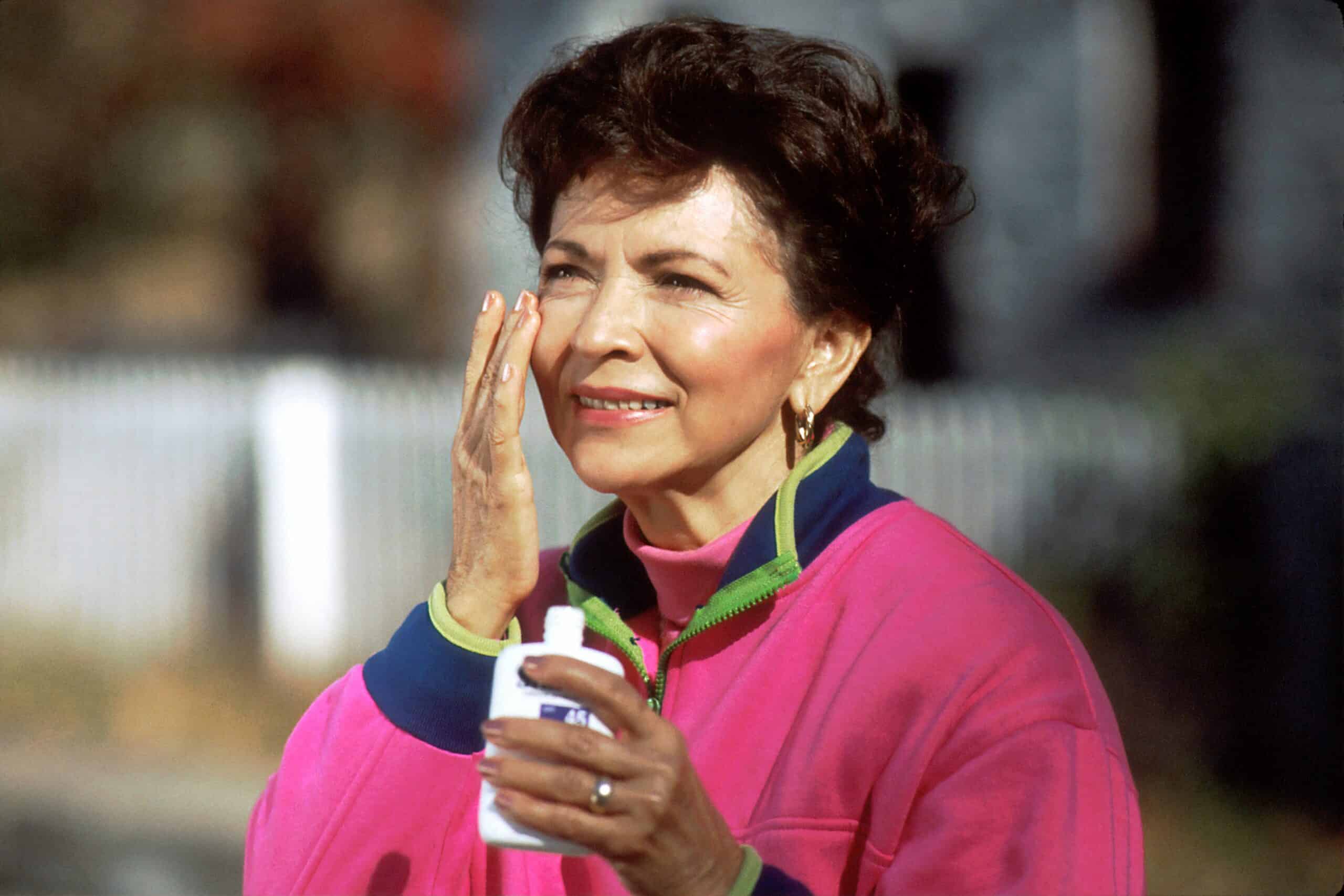
Sunscreen is one of the few products you apply to your own face and then cannot walk away from, which makes it a difficult purchase if strong smells are a trigger for you. The best unscented sunscreens for scent sensitivity are mineral formulas labeled fragrance-free, because mineral filters carry less inherent odor and the label is the only part of this you can verify.
There is a labeling trap worth knowing first. Unscented and fragrance-free do not mean the same thing.
Unscented products can contain masking fragrance added specifically to cover a base smell. Our fragrance-free products for scent sensitivity roundup explains that distinction in full, and it applies to every product on this page.
Medical Disclaimer
This article is research, not medical advice. Sun protection is a general health measure and sunscreen choice treats no condition. If a product causes a rash, burning or swelling, stop using it and see a doctor, and raise persistent scent-triggered attacks with a clinician rather than only changing products.
Sunscreen Options at a Glance
| Type | Inherent Odor | Finish | Airborne Risk | Best Use |
|---|---|---|---|---|
| Fragrance-free mineral lotion | Lowest | Can leave a cast | None | Most people |
| Fragrance-free chemical lotion | Low to moderate | Clear, light | None | Daily face use |
| Mineral stick | Very low | Thick, matte | None | Face, no hands |
| Tinted mineral | Low | Evens tone | None | Face, no white cast |
| Fragrance-free SPF lip balm | Very low | Balm | None | The spot people miss |
| Single-use packets | Matches formula | Matches formula | None | Bags and travel |
How We Picked the Best Unscented Sunscreens for Scent Sensitivity
We compared formula types rather than named products, because specific sunscreens are reformulated often while the categories behave consistently.
Each section covers one type, who it suits and where it falls short. We weighted four things: how much inherent smell the filter type carries, whether the label is explicitly fragrance-free, how it feels on skin you will not wash for hours, and whether applying it puts anything into the air.
We have not published SPF recommendations or reapplication intervals as figures. Those come from the label and from guidance for your situation, and a number quoted here would be read as advice.
On the clinical side, the American Migraine Foundation lists strong odors among the triggers people most commonly report, and Cleveland Clinic notes that fragrance-free and unscented are different claims on a label. Those two points together are most of what makes this category hard.
1. Fragrance-Free Mineral Sunscreens, Best Overall
Why It Stands Out
Zinc oxide or titanium dioxide formulas that sit on the skin surface, carrying far less of the distinctive smell that chemical filters often have.
Mineral filters are also the ones most often used in products aimed at sensitive skin, which means fragrance-free versions are easy to find rather than rare.
Simpler ingredient lists are common in this group too, which reduces the number of things that could carry a scent.
Worth Knowing
Mineral formulas can leave a white cast and feel thicker, which is the main reason people abandon them.
Fragrance-free does not mean odorless. Zinc has a faint smell of its own, and some formulas use essential oils as a preservative, which still counts as scent.
Best for most people managing scent sensitivity. Pair it with our wide brim hats and visors picks, since shade reduces how much you need.
Check Price on Amazon2. Fragrance-Free Chemical Sunscreens, Best Lightweight Feel
Why It Stands Out
Organic filter formulas that absorb into the skin and disappear, leaving no cast and almost no texture.
Feel is the reason to consider these. A sunscreen that vanishes on the face gets worn daily where a thick mineral one does not.
Modern fragrance-free versions are widely available, including in the lighter fluid and gel textures that suit warm weather.
Worth Knowing
Chemical filters tend to carry more of their own odor than minerals do, which is exactly the problem here. Fragrance-free still leaves the base smell of the filters.
Some people also find these sting around the eyes, which matters if you are already photophobic and rubbing your eyes.
Best if mineral textures are intolerable to you. Test a small amount somewhere you can wash off before committing to a full face.
Check Price on Amazon3. Mineral Sunscreen Sticks, Best Low-Aerosol Option
Why It Stands Out
A solid balm in a push-up tube, applied by rubbing it directly onto skin. Nothing is pumped, squeezed onto hands or sprayed.
No aerosol is the point. A spray puts the product and whatever smell it has into the air you are standing in, and a stick cannot.
Sticks also avoid getting sunscreen on your hands at all, which is useful if you then touch your face or eat.
Worth Knowing
Coverage from a stick is uneven and easy to underapply, since you cannot see where the thin spots are.
They are also slow over large areas, which makes them a face and ears product rather than a whole-body one.
Best for the face, ears and the back of the neck. Our guide to whether strong smells are a migraine trigger covers why the aerosol point matters.
Check Price on Amazon4. Tinted Mineral Sunscreens, Best for the Face
Why It Stands Out
Mineral formulas with iron oxides added for color, which cancels the white cast and blends into skin tone.
The cast is the single biggest complaint about mineral sunscreen, and tinting solves it without switching to chemical filters.
Iron oxides also reduce transmission of visible light, which some people with light sensitivity find worth having on the face.
Worth Knowing
Shade matching is limited and a mismatch is visible, so this is harder to buy unseen than an untinted lotion.
Tinted formulas also transfer onto collars and pillowcases, and a scented remover would defeat the point of the whole exercise.
Best for daily face use where the white cast is unacceptable. See our dark sunglasses picks for the rest of the light-sensitivity kit outdoors.
Check Price on Amazon5. Fragrance-Free SPF Lip Balms, Best Add-On
Why It Stands Out
Lips burn readily and get skipped by almost everyone, and lip products are among the most heavily flavored and scented items on a shelf.
A fragrance-free SPF balm covers that gap without putting a scent directly under your nose for hours, which is the worst possible placement.
Most are mineral-based and come in a tube or stick, which keeps application simple and hands clean.
Worth Knowing
Flavor and fragrance are listed separately on labels, and a product can be fragrance-free and still flavored. Check both.
Lip balm also wears off with eating and drinking far faster than face sunscreen does, so reapplication is frequent.
Best as the cheap addition to whatever else you buy. Our how to make your home fragrance-free guide covers the same label reading across other products.
Check Price on Amazon6. Travel Sizes and Single-Use Packets, Best for a Bag
Why It Stands Out
Small tubes and sealed single-use sachets of a formula you already know agrees with you, kept in a bag, a car or a desk drawer.
Having your own product with you is what stops you borrowing somebody else’s heavily scented spray, which is how a lot of scent-triggered days start.
Sealed packets also do not leak or degrade in a bag the way a part-used tube does over a summer.
Worth Knowing
Cost per use is much higher than a full-size bottle, so these supplement rather than replace one.
Packets also hold a small amount, often less than a full face and neck application, so carry more than you think you need.
Best kept in every bag you use. Our handling scented workplaces guide covers the same preparedness idea indoors.
Check Price on AmazonWhat to Look For in an Unscented Sunscreen
The words fragrance-free, not unscented
Fragrance-free means no fragrance was added. Unscented can mean masking fragrance was added to hide a base odor.
A short ingredient list
Fewer ingredients means fewer things carrying a smell. Formulas aimed at sensitive skin tend to be simpler.
Mineral filters if odor is the priority
Zinc and titanium dioxide carry less inherent smell than most chemical filters, which is the main reason to start there.
No aerosol spray
Sprays aerosolize whatever smell the formula has into the air around you. Lotions and sticks keep it on your skin.
Essential oils flagged as what they are
A product can be fragrance-free and still contain lavender or citrus oil as a preservative or an additive. Read past the front label.
Mineral or Chemical for Scent Sensitivity?
Why mineral usually wins here
Mineral filters carry less inherent odor, appear more often in fragrance-free sensitive-skin lines, and tend to have shorter ingredient lists. For this specific problem that combination is hard to beat.
When chemical is the better choice
If mineral textures are intolerable, a sunscreen you will not wear protects nothing. A fragrance-free chemical formula you apply daily beats a mineral one in a drawer, and our guide to why smells bother you more during a migraine covers judging that trade on your own terms.
Common Mistakes to Avoid
Trusting the word unscented
This is the central trap in the category. Unscented can mean fragrance was added to mask a smell rather than left out.
Buying a spray for convenience
A spray puts the product into the air you are breathing, which is the worst format if odor is your issue, whatever the label says.
Testing it on a day you cannot wash
Try a new sunscreen somewhere you can rinse off easily, not on a face you will wear for eight hours at an event.
Ignoring reformulation
Brands change formulas without changing packaging much. If a product you have used for years suddenly bothers you, check the current ingredient list.
Skipping sun protection over the scent problem
Sun protection matters independently of any of this. Shade, clothing and a hat reduce how much product you need rather than replacing it entirely.
Worth reading next: our guides to gentle shampoos for scalp tenderness, soft beanies for head sensitivity, and car sun shades.
Best Unscented Sunscreens for Scent Sensitivity FAQ
What are the best unscented sunscreens for scent sensitivity?
Mineral formulas labeled fragrance-free are the strongest starting point, because zinc and titanium dioxide carry less inherent odor and appear most often in sensitive-skin lines. Sticks avoid aerosols entirely, and tinted mineral versions solve the white cast on the face. Sun protection itself is a general health measure rather than anything to do with treatment.
What is the difference between unscented and fragrance-free?
Fragrance-free means no fragrance ingredients were added. Unscented means the product does not smell of anything in particular, which can be achieved by adding masking fragrance to cover a base odor. For scent sensitivity, fragrance-free is the claim that matters.
Is mineral or chemical sunscreen better if smells trigger you?
Mineral, usually, because the filters carry less of their own odor and the formulas tend to be simpler. The exception is texture: if a mineral sunscreen is too thick or leaves too much cast for you to wear it, a fragrance-free chemical formula you will actually apply is the better outcome.
Are spray sunscreens worse for scent sensitivity?
Generally yes, because spraying aerosolizes the product and any odor it has into the air you are standing in and breathing. A lotion or a stick keeps it on your skin. If someone near you is spraying, distance and fresh air help more than anything on the label.
Can fragrance-free sunscreen still smell of something?
Yes. Fragrance-free only means no fragrance was added, and the base ingredients have their own smell, particularly chemical filters and zinc. Essential oils used as preservatives are another source, which is why reading the full ingredient list beats trusting the front of the bottle.
Does tinted sunscreen help light sensitivity?
Tinted mineral sunscreens contain iron oxides, which reduce transmission of some visible light as well as ultraviolet. Some people with photophobia find that useful on the face. It is a modest effect and not a substitute for tinted lenses or a hat.
How do you test a new sunscreen safely?
Apply a small amount somewhere easy to wash, like an inner forearm, and wear it for a while before putting it on your face. That gives you both a skin reaction check and an honest read on whether the smell bothers you over time rather than in the first few seconds.
When should I see a doctor?
See a doctor if a product causes a rash, burning, swelling or any breathing difficulty, and stop using it. Also raise it with a clinician if scent-triggered attacks are frequent or getting worse, since managing that pattern is a wider conversation than which sunscreen to buy.
Sources
- American Migraine Foundation, Common Migraine Triggers. americanmigrainefoundation.org
- Cleveland Clinic, Fragrance Sensitivity and Skin Reactions. my.clevelandclinic.org
- U.S. Food and Drug Administration, Sunscreen: How to Help Protect Your Skin. fda.gov
- Mayo Clinic, Sunscreen Choices and Sun Protection. mayoclinic.org
