
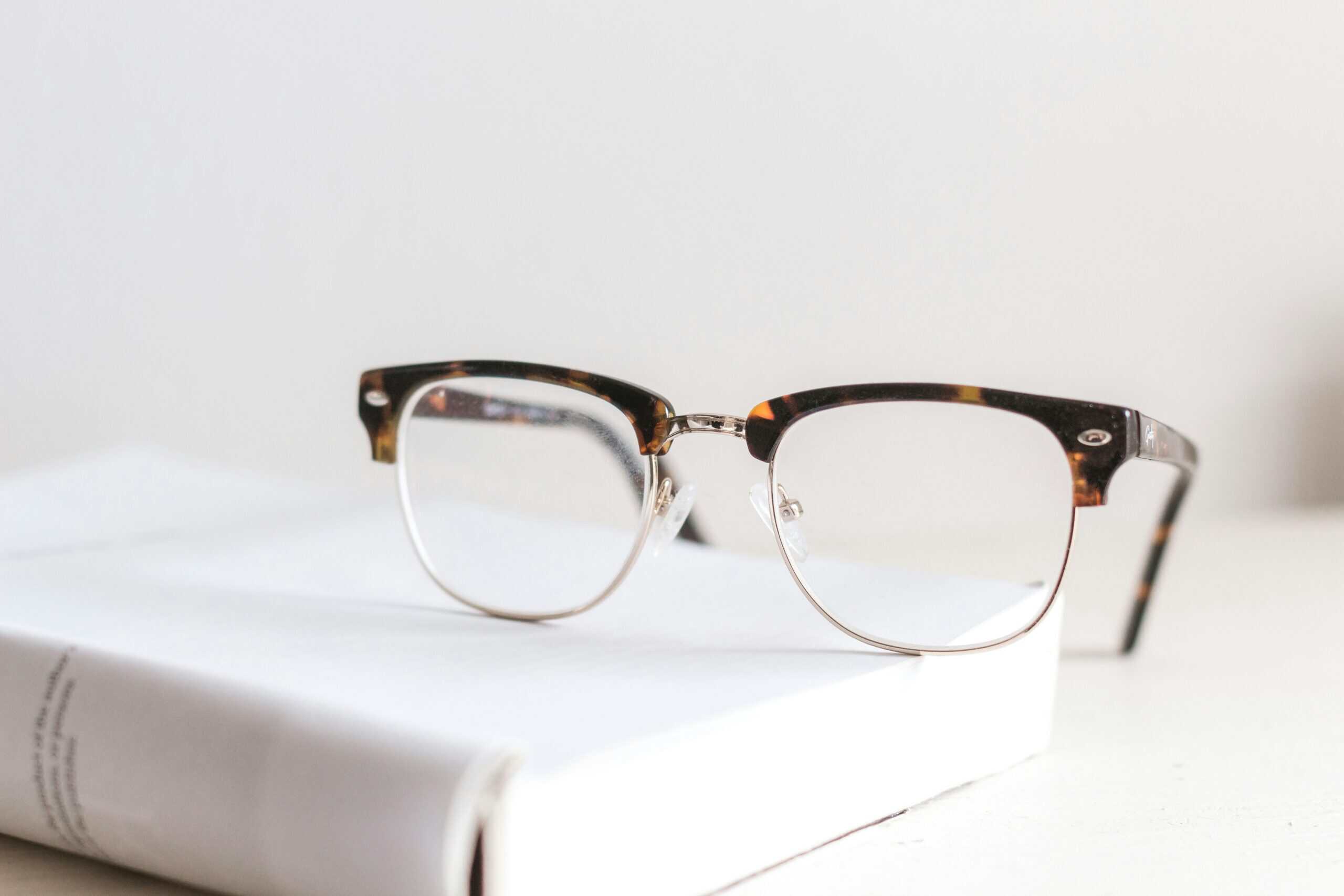
Usually because the visual system is adjusting to a different image, and that settles within a couple of weeks. Asking why new glasses give me a headache is reasonable, though, because a stubborn ache can also mean a measurement or fitting error rather than normal adaptation.
Medical Disclaimer
This article is general information about eyewear and headache. It is not medical advice or a substitute for an eye examination. Only an eye care professional can verify a prescription or a fitting. Any headache that is severe, worsening, or accompanied by changes in vision needs professional assessment promptly.
The table below separates the two situations, since the distinction decides whether to wait or to return.
| Likely cause | What it tends to feel like | What to do |
|---|---|---|
| Normal adaptation to a changed prescription | Mild ache and slight visual oddness, easing daily | Wear them full time and give it a couple of weeks |
| First-time astigmatism correction | Floors and walls look tilted or curved at first | Expect a longer settling period, keep wearing them |
| Pupillary distance measured wrong | Eye pulling or strain that does not ease at all | Return and ask for the measurement to be rechecked |
| Lenses not centered to your eyes | Sharpest point sits off to one side of the lens | Return for verification against the order |
| Cylinder axis off | Persistent blur or a pulling sensation at one angle | Ask for a lens check against the written prescription |
| Frame too tight or badly adjusted | Pressure at the temples, bridge, or behind the ears | A free adjustment usually fixes it the same day |
| Prescription genuinely too strong | Ache plus a sense of effort, no improvement over weeks | Go back for a recheck rather than persisting |
Quick Answer
Mild headache and visual oddness with a new pair are common, because the brain is recalibrating to a different image. Wear them consistently and expect improvement within a couple of weeks. An ache that does not ease at all, or that appeared with no change in prescription strength, points to a fitting or measurement error worth checking.
How Long Adaptation Should Take
The visual system learns a new image rather than accepting it instantly. The American Optometric Association describes an adjustment period with new eyewear, during which mild discomfort and altered depth perception can occur before vision settles.
Most people find the oddness fading within a few days. A larger change, or a first pair, can take closer to a couple of weeks.
The direction of travel is what matters. Adaptation improves steadily, even if slowly, so a symptom that is measurably better on day ten than on day two is behaving normally.
Wearing them intermittently works against this. Switching back to an old pair restarts the process, which is why part-time wear tends to stretch the discomfort out.
When the Problem Is the Fitting Rather Than the Prescription
Pupillary distance
This measurement places the optical center of each lens in front of each pupil. Get it wrong and the eyes are asked to work against a slight prism effect all day.
Lens centering and height
Optical centers also sit at a particular height. A lens glazed too high or low puts the clearest zone somewhere your eyes are not looking.
Frame adjustment
Temples that grip, a bridge that pinches, or a frame sitting at the wrong angle all produce their own pain. That kind of ache is felt at the contact points rather than behind the eyes.
Why this matters
Fitting faults do not improve with time, because nothing about them is adaptive. A symptom that is flat rather than fading is the signal to return.
When the Problem Is the Prescription
A prescription can be accurate and still feel difficult, particularly when it corrects astigmatism for the first time. Straight lines can look bowed and the floor can seem tilted until the brain recalibrates.
The reason is that correcting an irregular curvature changes image geometry, not just sharpness. Vertical and horizontal proportions shift slightly, and the brain treats that as new information.
Separately, a prescription can simply be off. The American Academy of Ophthalmology advises returning to the prescriber when new glasses do not give comfortable, clear vision, rather than assuming the problem must be tolerated.
The National Eye Institute describes eyeglasses as the most common way to correct refractive errors, with the prescription specifying what each eye needs. Both eyes are specified separately, and either one can be written or made incorrectly.
Transcription and glazing errors happen too. Asking for the finished lenses to be verified against the written prescription is a routine request, not an accusation.
If the prescription is right and the fitting is right, the remaining question is whether something else is driving the headache. Our guide to eye strain and migraines covers the alternatives.
What to Do in the First Days
- Wear them full time. Consistency is what lets adaptation finish.
- Keep the old pair out of reach. Switching back resets the process.
- Note what improves and what does not. A written line each day beats a general impression.
- Get the frame adjusted early. Contact-point pain has nothing to do with adaptation.
- Check your working distance. A new prescription can expose a screen that was always too far or too close.
- Reduce other visual load for a week. Fewer long screen stretches while the eyes settle.
- Set a date to decide. Two weeks of steady improvement is fine. Two weeks of nothing is not.
Screen height is the working-distance factor people overlook, and our roundup of monitor arms and laptop stands covers fixing it. Head and neck posture shifts with a new pair too, which our guide to posture and migraine covers.
When to Stop Waiting and Go Back
Go back if the headache is no better at all after a couple of weeks of consistent wear. Flat symptoms are the clearest sign that something mechanical is wrong.
Go back sooner if one eye feels pulled, if the sharpest point sits off center, or if the frame hurts where it touches. None of those are adaptation.
Go back immediately, and see a doctor rather than an optician, for sudden severe headache, double vision, vision loss, or new neurological symptoms. New glasses are a coincidence in that situation, not an explanation.
Bringing a record helps. Our guide to what to record in a migraine diary covers the format, and the same notes work for a prescription review.
Worth reading next: our guide to choosing migraine glasses covers tint and coverage decisions, our comparison of migraine glasses and regular sunglasses covers where each belongs, and our guide to building a migraine-friendly workspace covers the setup around the lenses.
Frequently Asked Questions
Why do new glasses give me a headache?
Most often because the visual system is adapting to a changed image, which commonly brings mild ache and altered depth perception for a short period. Wear them consistently and expect steady improvement within a couple of weeks. An ache that never eases suggests a measurement, glazing, or frame fitting problem instead.
How long should I give new glasses before worrying?
A couple of weeks of consistent full-time wear is a reasonable trial for most changes. The key is direction rather than duration. Discomfort that is clearly lessening week to week is behaving normally, while discomfort that is flat or worsening is worth taking back sooner.
Should I keep wearing them if they hurt?
For mild adaptation discomfort, yes, because part-time wear prolongs the process. For pain at the contact points, or a pulling sensation in one eye, no. That kind of symptom will not adapt away and calls for an adjustment or a verification instead.
Can a wrong pupillary distance cause headaches?
It can. That measurement positions the optical center of each lens in front of each pupil, and an error means the eyes work against a slight unwanted prism effect throughout the day. The result is strain that does not improve with time, so it is worth asking to have it rechecked.
Why does the floor look tilted with my new glasses?
This is a recognized feature of correcting astigmatism, particularly for the first time or after a significant change. The image geometry shifts and the brain needs time to recalibrate. It usually resolves during the adaptation period, and it is a reason to persist rather than to stop wearing them.
Could my prescription simply be wrong?
Yes, and it is a normal thing to have checked. Prescriptions can be off, and transcription or glazing errors happen between the exam and the finished lenses. Ask for the lenses to be verified against the written prescription, and for a recheck if the numbers match but comfort does not follow.
Do frames themselves cause headaches?
Frequently. Temples that grip too tightly, a bridge that pinches, or a frame worn at the wrong angle all produce pressure pain at the point of contact. This is distinct from visual strain behind the eyes, and a same-day adjustment usually resolves it at no cost.
When should I see a doctor instead of the optician?
See a doctor promptly for sudden severe headache, double vision, loss of vision, or any new neurological symptom. Those require medical assessment regardless of new eyewear, and the timing is coincidence rather than cause. For persistent but stable discomfort, start with the prescriber and escalate if nothing resolves.
Sources
- American Optometric Association. Adjusting to new eyeglasses and comprehensive eye examinations.
- American Academy of Ophthalmology. Eyeglasses for refractive errors.
- National Eye Institute, National Institutes of Health. Refractive errors.
