
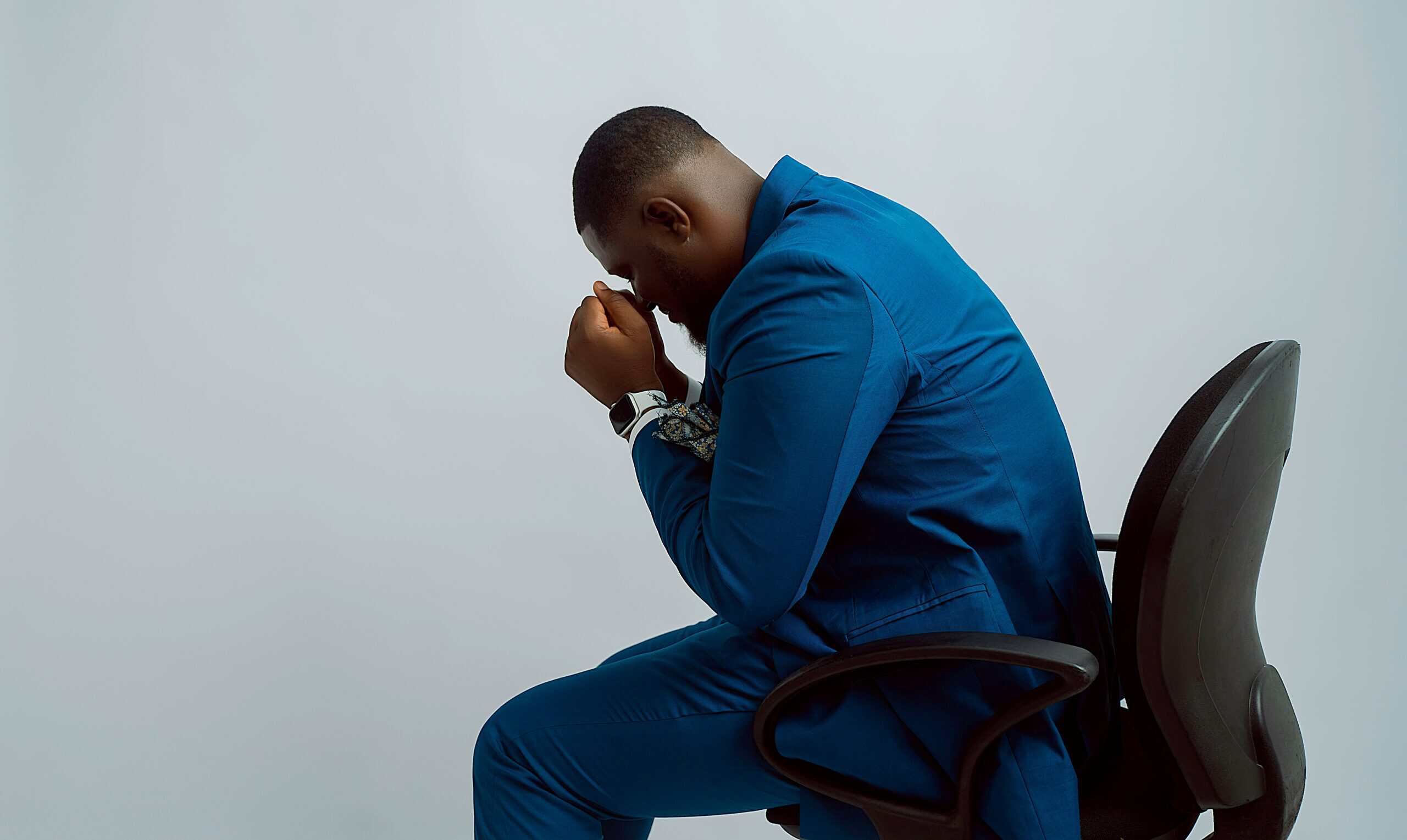
Posture does not cause migraine, but sustained neck and shoulder loading can contribute to head pain and may act as a trigger for some people, which is a different and weaker claim. So the honest answer to the question, does posture cause migraines, is a qualified no. Migraine is a neurological disorder, and no chair or desk height creates one.
Posture still deserves attention, because it is one of the few inputs a person can adjust directly. Small changes to a desk, a seat, or a pillow lower the steady load a neck carries all day. A practical starting point is this guide to arranging a migraine friendly workspace.
Medical Disclaimer
This article is general information, not medical advice. Head pain has many causes, and some of them need examination. A clinician should guide diagnosis and treatment for any headache that is new, worsening, or disrupting daily life.
Quick Answer
Posture is not established as a cause of migraine. Sustained neck and shoulder loading has a clearer link to cervicogenic headache, and for some people it appears to act as one contributing factor among many. Adjusting a workstation may reduce that load, but it will not resolve a migraine disorder.
Key Takeaways
- Association is not causation. People with frequent head pain often report poor positioning, but that pattern does not show one produced the other.
- Posture has a much clearer relationship with cervicogenic headache, which starts in the neck and refers pain into the head.
- How long a position is held matters more than whether it matches a diagram of ideal alignment.
- Screen height, seat support, and pillow height are the three adjustments that return the most for the least effort.
- A persistent one sided headache with neck involvement deserves assessment rather than a new chair.
| Position or habit | What it loads | A better arrangement |
|---|---|---|
| Screen below eye level | Neck extensors hold the head forward and tipped down for hours. | Raise the display so the top edge sits near eye height. |
| Laptop flat on a low surface | Combines a low screen with rounded shoulders and dropped wrists. | Lift the laptop on a stand and add a separate keyboard. |
| Phone held at waist height | Deep neck flexion under the full weight of the head. | Bring the phone up toward chest or eye level instead. |
| Chair with no lumbar support | The pelvis rolls back, so the ribs drop and the head drifts forward. | Support the low back so the ribs stack over the hips. |
| Shoulder holding a bag or a phone | One sided shoulder lift plus side bending in the neck. | Use a crossbody strap and a headset, and switch sides often. |
| Sleeping with too many pillows | Holds the neck bent forward for hours with almost no movement. | Pick pillow height that keeps the nose in line with the chest. |
| Driving with the seat too far back | Arms reach for the wheel and the head follows them forward. | Move the seat closer so the elbows stay comfortably bent. |
| Standing all day on a hard floor | Static loading through hips, low back, and neck with no variation. | Add a cushioned mat and shift stance every few minutes. |
Common sustained positions, the load each creates, and a lower load alternative.
Cervicogenic headache and migraine are not the same thing
Cervicogenic headache begins in the structures of the neck and refers pain up into the head. The International Headache Society classification keeps headache attributed to neck disorders separate from migraine. Posture relates far more clearly to that first category.
Migraine involves the nervous system rather than one painful joint. The American Migraine Foundation describes attacks that commonly bring light sensitivity, sound sensitivity, and nausea. Those features do not come from a stiff neck.
The confusion is understandable, since Cleveland Clinic notes that neck pain often accompanies migraine attacks. When both appear together, the neck looks like the cause when it may be part of the attack. Association is not causation, and that gap matters here.
Why sustained position matters more than one correct posture
No single spinal arrangement is correct for a whole working day. Tissue tolerates load poorly when that load never varies, so even good alignment held for hours starts to ache. The most useful rule is that the best posture is the next one.
Movement spreads load across different muscles instead of concentrating it. A seated hour broken by two standing breaks loads the neck differently than an unbroken one. Variety beats perfection, and it is easier to achieve.
What forward head position actually loads
Forward head position shifts the skull ahead of its supporting column. The deep neck extensors and upper trapezius then hold it there continuously rather than in short bursts. That steady contraction produces the dull ache people describe at the base of the skull.
Some people explore cervical traction options for this pattern. Evidence behind such devices stays limited and mixed, so expectations should stay modest.
Screens and desk height decide where the head ends up
Screen height sets head position more reliably than any effort to sit up straight. A low display pulls the chin down and the head forward for hours at a time. Raising the screen removes the reason the head drifts.
Desk height then decides what the shoulders do. A surface set too high lifts them toward the ears, and one set too low invites a slump. Both arrangements add steady load to the same muscles.
Measurements beat guesswork here. This workspace setup calculator turns height and reach into target ranges. Adjusting once beats fidgeting daily.
Sleeping position and pillow height are overnight posture
Sleep is the longest sustained position anyone holds, and pillow height governs it. A tall stack bends the neck forward for hours, while a flat pillow lets a side sleeper’s head fall toward the mattress. Either extreme parks tissue at an end range.
Morning head pain sometimes tracks with this arrangement rather than with the previous day. Mayo Clinic guidance on sleep habits emphasizes consistency and comfortable positioning. That framing fits pillow height well.
A workable check is whether the nose stays roughly in line with the center of the chest. Side sleepers usually need more fill than back sleepers. Stomach sleeping forces hours of neck rotation, which is the hardest position to make neutral.
Do posture correctors work, and is strengthening better than stretching?
Posture correctors work as a cue, not a fix. A strap reminds the wearer where the shoulders belong, which can help during a long workday. It does not change tissue capacity, and the effect fades once the strap comes off.
Readers comparing options can review this roundup of posture correctors for migraine related neck tension with realistic expectations. Treat any such device as training wheels rather than treatment.
Strengthening and stretching both get oversold. Stretching a tight upper trapezius may feel good briefly, but tightness often reflects a muscle working overtime rather than a short muscle. Strengthening the deep neck flexors and the muscles between the shoulder blades addresses capacity instead.
Some people use foam rolling for upper back tension to make a position feel accessible before strengthening it. Comfort and capacity are different goals.
How long a change takes before anything is judged
Nobody should judge a posture change after three days. Tissue adapts over weeks, and headache frequency is noisy enough that short windows say little. Four to six weeks of consistent change is a fairer trial.
The limits of blaming posture for migraine
Posture is easy to blame because it is visible. A slouch can be photographed and corrected, which feels more satisfying than invisible factors like sleep debt, skipped meals, hormonal shifts, or genetics. Visibility is not evidence of importance.
The American Headache Society frames migraine as a disorder with many contributing inputs rather than one switch. A workstation change might remove one input from a long list. That is worthwhile, and it is not a cure.
Expecting too much from a chair sets up real disappointment. Someone who fixes a desk and still has attacks may conclude nothing works. Addressing a contributing factor leaves the underlying disorder in place.
Some patterns point away from posture entirely. A persistent one sided headache with neck involvement, a headache that changes character, or one that wakes a person deserves clinical assessment rather than a new chair.
Related Reading
Seating is the foundation everything else sits on, so start with these ergonomic chairs chosen for headache prone desk workers. Once the chair is right, a footrest that stabilizes the hips keeps the pelvis from rolling back. Readers whose tension concentrates in the jaw may also want jaw guards for clenching and joint pain.
Posture and migraine: frequently asked questions
Does posture cause migraines, or only make them worse?
Posture does not cause migraines, because migraine is a neurological disorder with genetic and physiological roots. Sustained neck and shoulder loading can still add to head pain, and for some people it appears to act as one contributing factor. Reducing that load is reasonable, but it does not remove the cause.
What is the difference between a cervicogenic headache and a migraine?
Cervicogenic headache starts in the neck and refers pain into the head, and neck movement tends to provoke it. Migraine comes from the nervous system and often brings nausea with sensitivity to light and sound. The International Headache Society treats them as separate diagnoses, and posture relates much more clearly to the cervicogenic type.
How high should a screen sit to reduce neck load?
A common recommendation places the top edge of the display near eye height, about an arm’s length away. That arrangement lets the head balance over the shoulders instead of hanging forward. Bifocal wearers often need the screen slightly lower so the chin does not tip up.
Can a pillow change reduce morning head pain?
Sometimes, particularly when pain is present on waking and eases within an hour. Pillow height that keeps the nose roughly in line with the chest avoids holding the neck at an end range all night. If nothing changes after several weeks, the pillow was probably not the driver.
Do posture correctors fix forward head position?
No, they act as a cue rather than a correction. A strap reminds the wearer where the shoulders belong, which can help during long desk sessions, but it does not build the endurance that holds a position unaided. Most clinicians suggest pairing short periods of wear with strengthening work.
How long before a posture change shows any effect?
Allow four to six weeks before drawing any conclusions. Tissue adapts over weeks rather than days, and headache frequency varies enough that shorter windows mislead. Keeping a simple log of headache days alongside the date of each workstation change makes the comparison meaningful instead of guesswork.
When should I see a doctor about this?
Seek assessment for any headache that is new, worsening, or different from a familiar pattern. The same applies to a persistent one sided headache with neck involvement, head pain that wakes a person from sleep, or symptoms with weakness, vision changes, or confusion. Sudden severe head pain warrants urgent care.
Sources
- American Migraine Foundation
- American Headache Society
- International Headache Society
- Mayo Clinic
- Cleveland Clinic
