
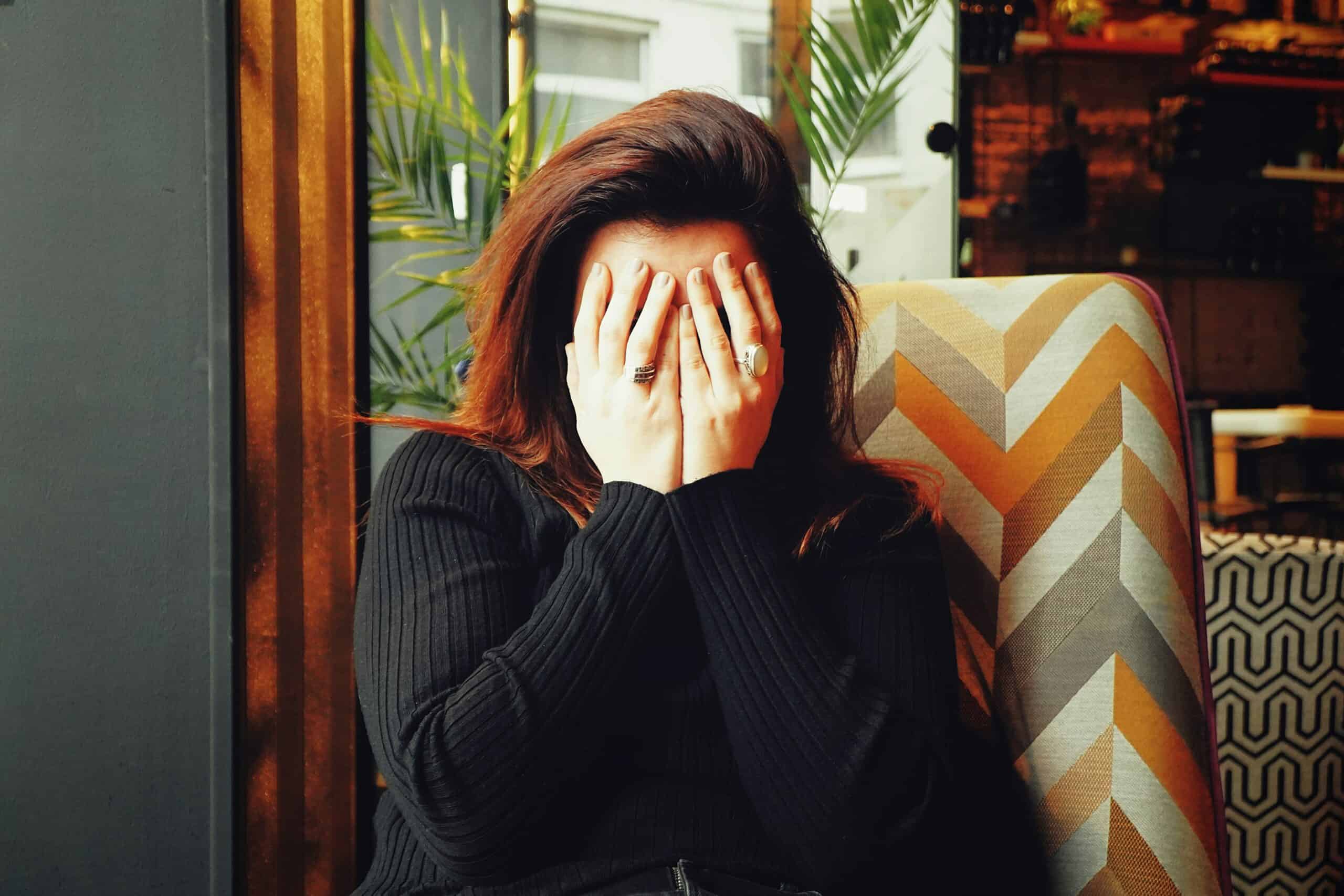
The migraine headband category sits at an interesting intersection of mechanical pressure therapy and modern neurology. Compression across the forehead and temples activates pressure receptors connected to the trigeminal nerve, the same nerve pathway that drives most migraine pain. Activating these pressure receptors produces a competing signal that the brain processes alongside the migraine pain, often reducing perceived pain intensity through neurological gating. The mechanism is similar to why rubbing a bumped head feels better; the difference is that quality migraine headbands apply consistent, sustained pressure that simple manual compression can’t match.
This is general information, not medical advice, and these products may ease symptoms but do not treat or prevent migraine. See a doctor for persistent or severe migraine.
This guide covers the five best migraine headbands and compression caps in 2026, evaluated on pressure consistency, comfort during sustained use, ease of solo application during active migraines, and the practical question of whether the device produces measurable pain reduction rather than just placebo-level effects.
How Migraine Headbands Actually Work
The mechanism behind migraine headbands has more research support than many sufferers realize.
The trigeminal nerve carries sensation from the face, forehead, and front of the head. During migraine attacks, this nerve becomes hypersensitized, producing the throbbing pain that defines migraine experience. Applying controlled pressure across the forehead and temples activates pressure receptors that share neural pathways with the pain signals, creating a competing input that reduces perceived pain through gate control theory.
Cooling adds a second mechanism that compounds with compression. Cold therapy reduces inflammation in the meninges and surrounding tissues that contribute to migraine pain. Cold also directly slows nerve conduction speed, reducing pain signal transmission to the brain. Headbands combining compression and cooling produce stronger effects than either intervention alone.
For some sufferers, the compression also addresses the muscle tension that contributes to or triggers migraines. Tension across the temporalis muscles (the muscles at the temples) and frontalis muscles (across the forehead) produces referred pain patterns that present as migraines. Compression provides sustained pressure that can release these muscle tension patterns over the course of a session.
The mechanism doesn’t work for all migraines or all sufferers. Migraines connected primarily to vascular changes, hormonal triggers, or central sensitization respond less reliably to peripheral compression. Migraines with significant trigeminal nerve involvement, muscle tension components, or inflammatory mechanisms respond best.
For broader migraine management, our guides on the best migraine cooling pads and the best ice caps for migraine relief cover the cooling-specific therapy options, while the best acupressure mats for migraine relief address the muscle tension side that pairs with compression therapy.
What to Look For in Migraine Headbands
Compression Consistency
The most important variable is whether the headband applies consistent pressure across the entire treatment area. Cheap headbands apply pressure unevenly, strong at certain points, weak at others, producing less consistent therapeutic effects. Quality headbands use designs that distribute pressure evenly across the forehead, temples, and the back of the head.
Look for products with adjustable tension that allow customization of the pressure level. Fixed-pressure designs work for some users and not others; adjustability accommodates variation in head shape and personal pressure preferences.
Cold Therapy Integration
Compression-only headbands work, but combination compression-and-cooling headbands work better for most sufferers. Quality cooling components include gel inserts that freeze in standard freezers, maintaining cold temperatures for 30-60 minutes per session.
Check whether cold inserts can be replaced for sustained sessions. Single-insert designs require ending sessions when the cold dissipates; replaceable insert designs allow continuous, extended sessions by swapping cooled inserts.
Material Comfort
Migraine sufferers often experience extreme sensitivity during attacks, making material comfort critical. Hard plastic edges, rough textile surfaces, or irritating materials produce additional discomfort that competes with the therapeutic benefit. Quality headbands use soft fabric covers, padded edges, and breathable materials.
For sufferers with sensory sensitivity (common with migraines), the material quality matters dramatically more than buyers initially expect. A headband that feels uncomfortable during a normal day becomes intolerable during active migraines.
Ease of Solo Application During Active Migraines
The practical reality is that you’ll apply the headband during active attacks when you’re least capable of complex tasks. Devices requiring careful positioning, balance maintenance, or multi-step setup often go unused during the worst attacks because applying them is too difficult.
Look for products specifically designed for solo application, single-handed adjustment, intuitive positioning, and no complex setup requirements. The best designs essentially apply themselves once you’ve used them a few times.
Sustained Pressure Without Discomfort
Quality compression should be firm enough to produce a therapeutic effect but gentle enough to wear for 30+ minutes without producing additional headaches from over-tightness. The balance is harder to achieve than people expect, many products err on either side, producing either inadequate pressure or excessive pressure that adds discomfort.
Reviews from long-term users describe whether sustained sessions feel comfortable. New users often report acceptable initial comfort that becomes uncomfortable across longer sessions; quality products maintain comfort across full session durations.
Best Migraine Headbands and Compression Caps in 2026: Our Top 5 Picks
1. Headache Hat, Best Overall
Best Overall Migraine Headband | Price: ~$50
Best for: Most migraine sufferers wanting effective compression with cooling, buyers wanting sustained session capability, and owners willing to invest in quality migraine relief equipment.
The Headache Hat represents the practical sweet spot for migraine compression therapy. The patented design wraps the entire head with multiple gel ice packs distributed across the forehead, temples, and back of the head, the regions where compression and cooling produce maximum therapeutic effect. Eight separate gel packs allow customization of cold placement based on individual migraine patterns.
The compression is genuinely consistent across the entire treatment area. The wraparound design distributes pressure evenly rather than concentrating force at specific points. Adjustability through hook-and-loop closures accommodates varied head sizes and allows pressure customization.
Cold therapy duration runs 30-45 minutes per session before the gel packs warm to room temperature. The packs replace easily, keep multiple sets in the freezer for sustained sessions across long migraines. Many users find the product genuinely effective during attacks that other interventions don’t address.
The trade-off is the higher price than basic compression headbands. At $50, the Headache Hat costs significantly more than simple alternatives without integrated cooling. For sufferers wanting both compression and cooling in a single product, the integrated design eliminates the need for separate products.
PROS:
- Multiple gel packs for cold placement customization
- Consistent compression across the entire treatment area
- Adjustability for varied head sizes
- Replaceable cold packs for sustained sessions
- Patented design specifically for migraine treatment
- Best Cooling Eye Masks for Migraine
CONS:
- Higher price than basic compression headbands
- Bulkier appearance than minimalist alternatives
- Requires freezer space for multiple packs
- Specialized product without secondary uses
For complete migraine management, our guide on the best migraine cooling pads covers cooling-only alternatives that pair well with compression headbands.
2. Migraine Relief Cap by FOMI Care, Best Premium Pick
Best Premium Migraine Cap | Price: ~$90
Best for: Severe migraine sufferers, buyers wanting flagship features, users with light sensitivity who benefit from full-coverage darkness during sessions.
The FOMI Care Migraine Relief Cap takes a different approach than band-style headbands. The full-cap design covers the entire head in cooling gel, providing both compression and cooling across the broadest possible treatment area. The integrated darkness from the cap covering the eyes addresses photophobia (light sensitivity) that affects most migraine sufferers during attacks.
The combination matters significantly during severe attacks. Sufferers with photophobia often need to seek dark rooms during migraines; the FOMI cap creates a portable dark environment that allows session use anywhere. The combination of compression, cooling, and darkness in a single product addresses multiple migraine factors simultaneously.
Build quality genuinely justifies premium positioning. The construction handles years of regular use with consistent cooling performance and compression effectiveness. The fabric quality and gel formulation exceed budget alternatives meaningfully.
The trade-off is bulk and warmth. The full-cap design produces more head warmth than band-style alternatives once the cooling dissipates, which limits session comfort after the cold ends. Sufferers often need to remove the cap once cooling is gone, while compression-only bands continue providing therapeutic effect after their cooling ends.
PROS:
- Full-coverage compression and cooling
- Built-in darkness for photophobia
- Premium construction with extended durability
- Comprehensive multi-factor migraine management
- Flagship cooling effectiveness
CONS:
- Premium pricing is roughly double that of Headache Hat
- Bulkier than band-style alternatives
- Full coverage produces warmth after cooling ends
- Limited session continuation after cooling dissipates
3. TheraICE Rx Form Fitting Gel Ice Headache Relief Hat, Best Mid-Tier Pick
Best Mid-Tier Migraine Cap | Price: ~$25
Best for: Buyers wanting integrated compression and cooling without premium pricing, regular but not severe migraine sufferers, and users testing whether headband therapy fits their relief approach.
The TheraICE Rx delivers integrated compression and cooling at the moderate price point that most migraine sufferers can justify. The flexible gel construction conforms to head shape, providing consistent pressure distribution across the forehead, temples, and back of the head. The single-piece design simplifies application, pull it on like a beanie rather than positioning multiple components.
The cooling lasts 30-45 minutes per session. The gel formulation maintains flexibility when frozen, unlike rigid frozen alternatives that can’t conform to the head shape during use. Users can swap the device with a replacement from the freezer for extended sessions.
Build quality sits between the budget and premium tiers. The construction handles 1-2 years of regular use without significant degradation, though without reaching the multi-year durability of Headache Hat or FOMI alternatives. The trade-off matches the price difference reasonably.
For sufferers wanting genuine integrated therapy at a moderate cost, the TheraICE Rx provides solid value. The simplicity advantage matters during active attacks when complex setups don’t get used.
PROS:
- Solid value at sub-$30 pricing
- Integrated compression and cooling in a single piece
- Flexible gel conforms to the head shape
- Simple application during active migraines
- Wide retail availability
CONS:
- 1-2 years typical lifespan under regular use
- Less durable than premium alternatives
- Single-piece limits cold placement customization
- Cooling duration shorter than multi-pack designs
4. Migraine Hat Pressure Cap, Best for Compression-Only Approach
Best Compression-Only Cap | Price: ~$25
Best for: Users for whom cooling triggers migraines, sufferers preferring sustained pressure without temperature variation, buyers wanting all-day wearable compression.
Some migraine sufferers find that cold therapy triggers or worsens their attacks rather than relieving them. For these users, compression-only headbands provide therapeutic pressure without the cooling component. The Migraine Hat Pressure Cap delivers consistent compression across the forehead and temples without cold therapy integration.
The design wears comfortably for extended periods, including during active migraine attacks that may last hours. Sufferers can wear the cap throughout work, household activities, or while attempting to sleep without the limitation of cooling that requires removal once the cold dissipates.
Adjustability accommodates varied head sizes and pressure preferences. The fabric construction breathes adequately for sustained wear without producing excessive head heat or sweat that affects comfort.
The trade-off is the missing cooling benefit that most users find valuable. For users who specifically need or prefer a compression-only approach, the Migraine Hat fills a gap that combination products don’t address. For most sufferers, combination compression-and-cooling produces stronger results.
PROS:
- Sustained wearability without cooling limitations
- Useful for users who can’t tolerate cold therapy
- Lightweight construction for all-day wear
- Affordable for a compression-specific approach
- Comfortable for sleep attempts during attacks
CONS:
- No cooling component for added therapeutic effect
- Less effective than combination products for most users
- Limited use cases versus comprehensive alternatives
- Niche product without broader applications
5. Sun Cube Migraine Ice Headache Relief Hat, Best Budget Pick
Best Budget Migraine Headband | Price: ~$15
Best for: Tight budgets, beginners testing whether headband therapy helps, users wanting basic functionality before committing to premium options.
The Sun Cube delivers basic integrated compression and cooling at the lowest price point that still meets quality standards. The construction provides functional cold therapy across the forehead and temples through a gel-filled fabric design. Application is straightforward, pull on like a beanie and adjust positioning as needed.
The trade-offs match the budget pricing. Cooling duration runs shorter than premium alternatives, typically 20-30 minutes before the gel warms beyond therapeutic temperatures. Build quality is functional rather than refined, with a typical 1-year lifespan under regular use. Compression consistency is acceptable but not refined.
For sufferers genuinely uncertain whether headband therapy fits their migraine pattern, the Sun Cube provides genuine functionality at a minimum financial commitment. If headband therapy proves effective and you want to scale to daily use, upgrading to Headache Hat or TheraICE Rx produces a better long-term experience meaningfully.
The portability and minimal setup make the Sun Cube useful as a backup or travel option even for users who own premium alternatives. Keep one in a desk drawer at work or a bag for unexpected migraine attacks away from home.
PROS:
- Lowest price for integrated compression and cooling
- Useful for testing therapy before a premium investment
- Easy application during active migraines
- Wide retail availability
- Adequate for occasional use
CONS:
- Shorter cooling duration than premium alternatives
- 1-year typical lifespan under regular use
- Build quality reflects budget pricing
- Compression less consistent than premium alternatives
How to Match a Headband to Your Migraine Pattern
The right product depends on your specific migraine characteristics and use intensity.
For most migraine sufferers wanting effective integrated therapy, the Headache Hat delivers the practical sweet spot. The combination of consistent compression, multiple replaceable cold packs, and proven design produces a reliable therapeutic effect across years of regular use.
Severe migraine sufferers with significant photophobia benefit from FOMI Care Migraine Relief Cap. The full-coverage design addresses light sensitivity alongside compression and cooling, providing comprehensive multi-factor management during severe attacks.
Buyers wanting integrated therapy at a moderate cost benefit from TheraICE Rx Form Fitting Gel Ice Headache Relief Hat. The mid-tier pricing matches occasional regular use economics while delivering genuine therapeutic effect.
Users for whom cold therapy triggers or worsens migraines should consider Migraine Hat Pressure Cap. The compression-only approach addresses the smaller subset of sufferers who can’t tolerate cold therapy components.
Budget-conscious sufferers or those testing whether headband therapy helps can start with the Sun Cube Migraine Ice Headache Relief Hat. The lower cost reduces financial risk before committing to premium alternatives.
Quick Comparison Table
| Headband | Best For | Price | Cooling | Compression Type |
|---|---|---|---|---|
| Headache Hat | Most users | ~$50 | Multiple gel packs | Wraparound |
| FOMI Care Migraine Relief Cap | Premium pick | ~$90 | Full-coverage gel | Full cap |
| TheraICE Rx | Mid-tier value | ~$25 | Single-piece gel | Form-fitting |
| Migraine Hat Pressure Cap | Compression only | ~$25 | No | Pressure band |
| Sun Cube Migraine Hat | Budget pick | ~$15 | Basic gel | Beanie style |
Our Verdict
Most migraine sufferers do best with Headache Hat. The combination of consistent wraparound compression, multiple replaceable gel packs, and patented migraine-specific design delivers the therapeutic effect that justifies the moderate price across years of regular use. Buy this unless you have specific reasons to choose differently.
Severe migraine sufferers with significant photophobia should consider FOMI Care Migraine Relief Cap. The full-coverage design provides comprehensive multi-factor management when severe attacks require everything at once.
Buyers wanting genuine integrated therapy at a moderate cost benefit from TheraICE Rx Form Fitting Gel Ice Headache Relief Hat. The mid-tier pricing matches occasional regular use while delivering a meaningful therapeutic effect.
Users who can’t tolerate cold therapy as part of migraine treatment can use Migraine Hat Pressure Cap for a compression-only approach. The sustained wearability accommodates use cases that combination products don’t fit.
Budget-conscious sufferers or beginners testing the therapy approach should start with the Sun Cube Migraine Ice Headache Relief Hat. The lower cost reduces financial risk while providing genuine basic functionality.
Pair the right headband with evidence-based supplements like vitamin D, riboflavin, and magnesium, acupressure mats for muscle tension, and cervical traction devices for neck-related migraines, and you have comprehensive home migraine management addressing multiple causal factors simultaneously.
Frequently Asked Questions
Do migraine headbands actually work?
For migraines with trigeminal nerve involvement or muscle tension components, yes. The compression activates pressure receptors that compete with pain signals through gate control theory, while integrated cooling reduces inflammation and slows nerve conduction. Effects vary by individual migraine characteristics, some sufferers experience dramatic relief, others moderate effect, and a minority little response. The mechanism has stronger research support than many alternative therapies.
How long should I wear a migraine headband?
Standard sessions run 20-45 minutes per session, limited primarily by the cooling duration of integrated gel packs. Sufferers can extend sessions by swapping with replacement frozen packs for sustained therapy. Compression-only headbands can be worn for hours without limitation. Most sufferers find 30-minute sessions adequate, with longer sessions reserved for severe attacks.
Are migraine headbands safe?
Yes, when used as directed. Risks come from over-tight pressure that can produce additional headaches from constriction, or from extreme cold contact that can produce skin damage. Quality headbands include adequate padding and tension control that prevent these issues. Don’t apply ice packs directly to skin without a fabric barrier; quality migraine-specific products include this barrier built in.
How quickly do migraine headbands work?
Effects often begin within 5-10 minutes of application, building across the first 20-30 minutes of the session. The combination of pressure and cooling produces measurable relief faster than many oral interventions. For acute attack management, headband therapy often produces faster relief than medication alone, though the effects may not last as long as pharmaceutical interventions.
Can I sleep with a migraine headband on?
Compression-only headbands can be worn during sleep attempts during attacks. Cooling-integrated products typically aren’t comfortable for sleep due to the bulk and the eventual room-temperature warming. For severe nighttime migraines, the Migraine Hat Pressure Cap or similar compression-only alternatives provide better sleep compatibility than cooling-integrated options.
Should I use migraine headbands during attacks or as prevention?
Primarily during attacks for acute relief rather than prevention. The mechanisms (compression-based pain gating, cooling-based inflammation reduction) address active migraine processes rather than preventing migraine triggering. For prevention, focus on lifestyle factors, evidence-based supplements, and trigger management. Headbands work as one tool in the acute treatment toolkit.
Can I use a migraine headband with my prescription medications?
Yes, headbands work through purely mechanical and thermal mechanisms that don’t interact with medications. Many sufferers combine headband use with triptans, NSAIDs, or other migraine medications for an additive effect. Inform your headache specialist about all interventions you use, but documented interactions between headbands and migraine medications are essentially nonexistent.
How long do migraine headbands last?
Quality headbands last 2-5 years with proper care. Premium products (Headache Hat, FOMI Care) typically last toward the longer end. Mid-tier products (TheraICE Rx) typically last 1-2 years. Budget alternatives (Sun Cube) typically last 1 year. Gel packs may need replacement before the fabric components wear out, check whether replacement packs are available before committing to a specific brand.
Sources
- Headache Classification Committee of the International Headache Society. The International Classification of Headache Disorders, 3rd edition. Cephalalgia. 2018;38(1):1-211. https://ichd-3.org/
- American Headache Society. Position Statement on Integrating New Migraine Treatments Into Clinical Practice. Headache. 2019;59(1):1-18. https://americanheadachesociety.org/
- National Institute of Neurological Disorders and Stroke. Migraine. National Institutes of Health. https://www.ninds.nih.gov/health-information/disorders/migraine
Recommended Reading
See our note on building a migraine toolkit.
