
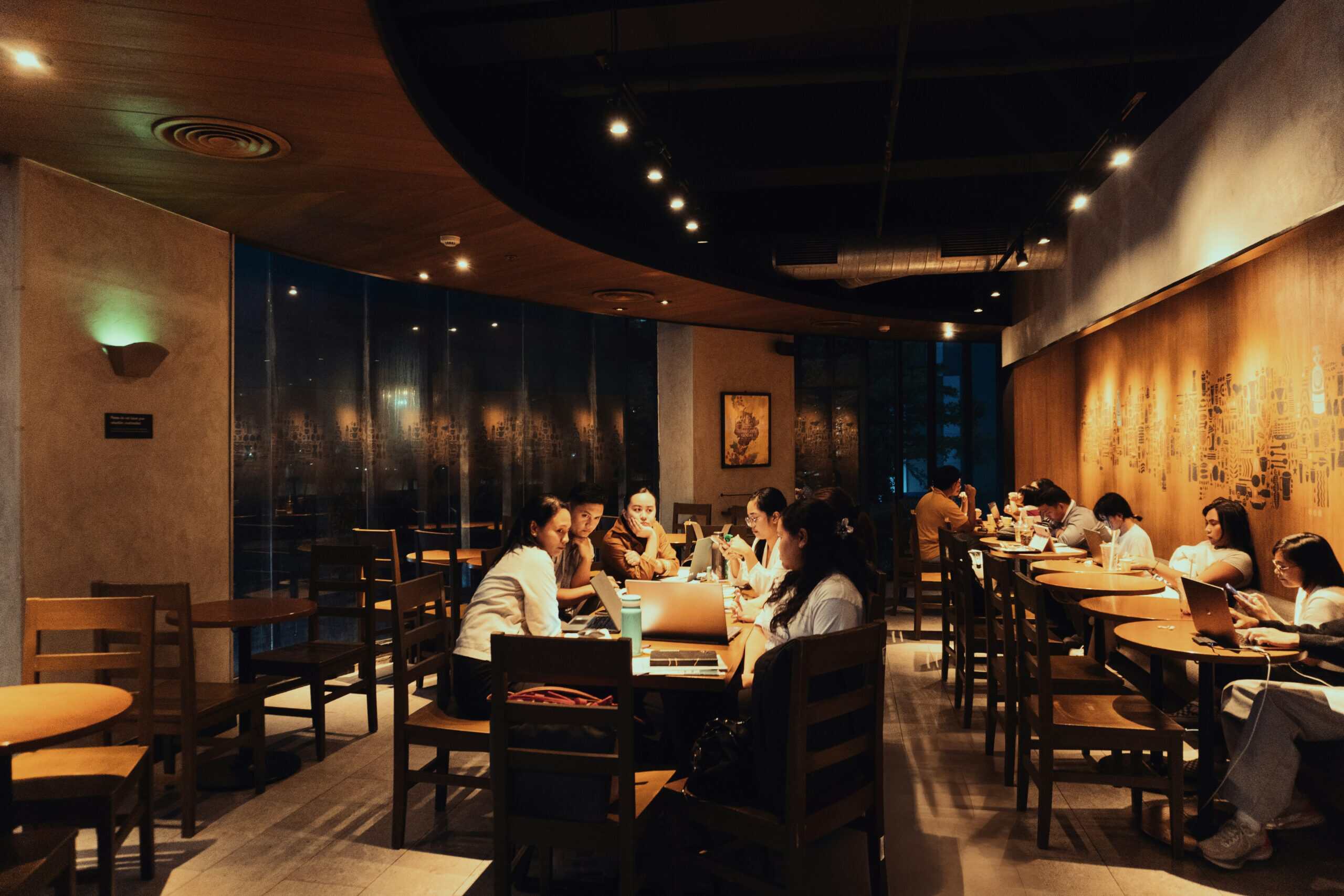
Decide early whether you are staying or leaving, because a restaurant is one of the harder places to ride out an attack. Bright or flickering lighting, noise, strong scents, and alcohol are all common triggers, and they arrive together.
Medical Disclaimer
This article is general information rather than medical advice. Sudden severe headache unlike any before, headache with fever, confusion, weakness, vision loss, or a stiff neck requires emergency care rather than waiting it out. Frequent attacks that disrupt your life warrant a conversation with a doctor.
Quick Answer
Treat early if you have medication with you. Move to the quietest, dimmest part of the room or step outside. Order something plain and drink water. Decide within the first ten minutes whether to stay, since attacks generally get harder to manage rather than easier.
Key Points
- Restaurants stack several common triggers at once
- Carrying medication is what makes staying possible
- Stepping outside for ten minutes is more effective than pushing through
- Alcohol and delayed meals both compound an attack in progress
- Deciding early beats deciding late, when leaving is harder
- Telling one person removes the need to explain yourself
What Makes Restaurants Difficult
| Trigger | Why restaurants are worse |
|---|---|
| Light | Spotlights, candles, screens, flickering fixtures |
| Noise | Hard surfaces amplify conversation and music |
| Scent | Cooking smells, perfume, cleaning products |
| Alcohol | A recognized trigger, and social pressure to drink |
| Meal timing | Waiting to eat extends a gap that may have started it |
| Duration | You are committed for an hour or more |
Any one of those alone is manageable. The problem is that a restaurant delivers most of them simultaneously, and you are seated in an environment you cannot easily modify.
The First Ten Minutes Decide It
Attacks are generally far easier to treat early on, and acute migraine medication works best taken as soon as an attack begins rather than once it has properly established itself. Our note on handle a migraine at work when you cant leave covers that in more detail. Our note on handle scented workplaces with migraine covers that in more detail.
That makes the early window the decision point. Treating immediately and reassessing after ten minutes gives you real information about whether staying is realistic.
Waiting to see whether it develops is the common instinct and also the expensive one, because by the time it is clearly bad the medication window has narrowed and leaving has become considerably harder.
Recognizing prodrome symptoms before you arrive is better still, since that lets you postpone rather than manage, covered in prodrome symptoms.
Adjustments That Buy You Time
Move seats
Away from speakers, windows, kitchen doors, and directly under lighting. Most restaurants will accommodate a quiet request to move if tables are free.
Step outside
Ten minutes in cool air away from noise and light does more than sitting through it, and it is easier to explain than leaving entirely.
Sunglasses
They feel conspicuous and help considerably in bright rooms. Most people stop noticing within a minute.
Order simply
Something plain, arriving quickly, with water alongside. Nausea makes rich or heavily spiced food a poor bet, covered in migraine emergency kit supplies.
Alcohol Is the Clearest Call
Alcohol is a recognized migraine trigger for a substantial share of people, and red wine in particular is frequently reported.
During an attack it is straightforwardly unhelpful, since it dehydrates and can interact with acute medication.
Deciding beforehand is what makes this work in practice. A decision made at the table under social momentum tends to go the other way entirely.
Ordering something else immediately, before anyone asks, removes the conversation entirely, covered in handling social plans with migraines.
Telling the People You Are With
One person knowing is usually quite enough, and it removes the need to perform normality while you are actively symptomatic.
Saying it plainly works better than apologizing repeatedly, since a brief factual statement closes the topic rather than opening it.
Naming what you need is more useful than describing how you feel. Asking to move seats or to leave early is actionable where a description of pain is not.
People who understand the condition respond considerably better, which is the argument for explaining it once outside of an attack, covered in telling family about your migraines.
Choosing Where to Eat
Venue selection does more than any coping strategy, and it is the part you control before an attack rather than during one.
Soft furnishings matter more than they sound. Carpet, upholstered seating, and fabric on the walls absorb sound where tile, glass, and bare wood reflect it, which is why some rooms are exhausting at the same decibel level.
Lighting type matters as much as brightness. Warm dimmable fixtures are considerably easier than spotlights, and any flickering source is worse than a brighter steady one.
Booth seating gives you a corner rather than an open room, which reduces both visual input and the sense of being in the middle of noise.
Table position is worth requesting when booking. Away from the kitchen, the bar, the door, and any speaker is a reasonable ask and most places will note it.
Timing helps too. The same restaurant at six is a different environment from the same restaurant at nine, and an early booking often means a quieter room. Our look at MSG covers whether that particular worry holds up.
Outdoor seating solves several problems at once where weather allows, since it removes the acoustic reflection, the enclosed scent, and most of the artificial lighting.
When to Leave
When light or sound has become intolerable rather than merely unpleasant, since that generally means the attack is progressing rather than plateauing.
When nausea has started, both because eating stops being possible and because vomiting in a restaurant is the outcome everyone would rather avoid.
When you are driving, since attacks impair vision and reaction time and some medications add drowsiness, covered in driving with a migraine.
And when staying would clearly cost you the following day as well, which is the calculation people rarely make in the moment and very frequently regret afterward.
Preparing Before You Go Out
Carry medication rather than leaving it at home, since an attack starting halfway through a restaurant meal is exactly the situation it exists for.
Keep a pair of sunglasses in a bag or a coat pocket permanently, so that you have them on the evenings when you did not anticipate needing them at all.
Eat something beforehand if the reservation is a late one, because a delayed meal is itself a common trigger and arriving genuinely hungry only compounds it.
Choosing the venue where you can helps more than any of the rest of this. Quieter rooms with softer lighting function as a preventive measure rather than as a personal preference.
Related Reading
- social plans with migraine
- driving with a migraine
- prodrome symptoms
- emergency kit supplies
- telling family
- migraine triggers
Frequently Asked Questions
What should I do if a migraine starts at a restaurant?
Treat it immediately if you have medication, move somewhere dimmer and quieter or step outside, and decide within about ten minutes whether staying is realistic.
Why are restaurants such a common problem?
They stack several triggers at once. Bright or flickering light, noise off hard surfaces, cooking and perfume scents, and alcohol all arrive together.
Should I drink alcohol if I feel one coming?
No. Alcohol is a recognized trigger for a substantial share of people, it dehydrates, and it can interact with acute medication.
Is stepping outside worth it?
Frequently, yes. Ten minutes away from noise and light does more than sitting through it, and it is easier to explain than leaving.
What should I order?
Something plain that arrives quickly, with water. Nausea makes rich or heavily spiced food a poor choice once an attack has begun.
How do I explain leaving early?
Briefly and factually to one person. Naming what you need is more useful than describing how you feel, and repeated apologizing does not help.
Are sunglasses indoors reasonable?
Yes. They feel conspicuous for about a minute and help considerably in brightly lit rooms.
How do I pick a migraine-friendly restaurant?
Soft furnishings absorb sound where tile and glass reflect it. Look for warm dimmable lighting, booth seating, and book early, when the room is quieter.
When should I see a doctor about this?
See a doctor if attacks regularly interfere with going out, or if the pattern is worsening. Preventive treatment may be appropriate.
Sources
- American Migraine Foundation. Migraine Triggers. https://americanmigrainefoundation.org/resource-library/
- Mayo Clinic. Migraine Symptoms and Causes. https://www.mayoclinic.org/diseases-conditions/migraine-headache/symptoms-causes/syc-20360201
- National Institute of Neurological Disorders and Stroke. Migraine. https://www.ninds.nih.gov/health-information/disorders/migraine
