
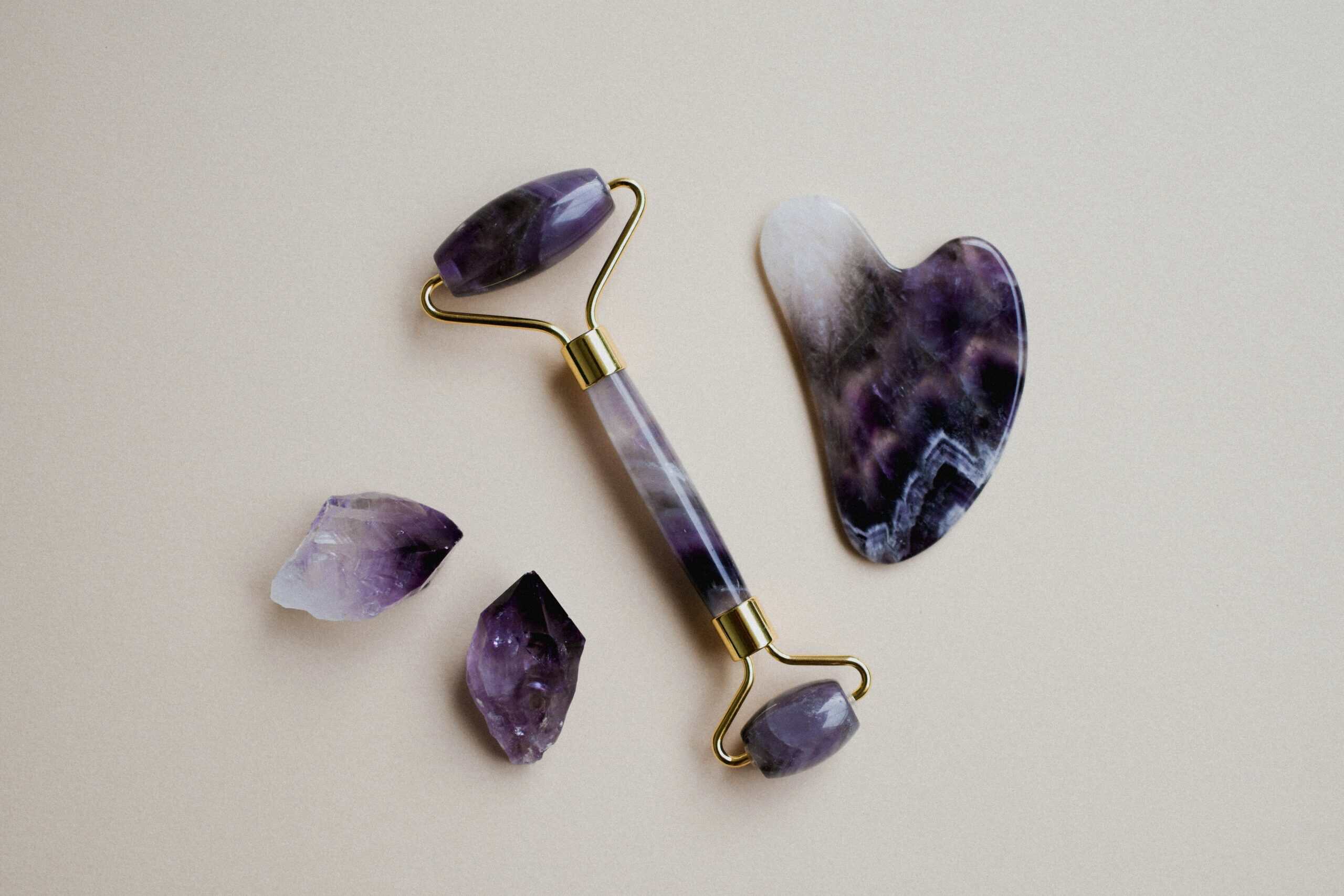
Start with the honest boundary: among complementary approaches in migraine, acupuncture is the one with a Cochrane review behind it, and the available trials there show a small-to-moderate effect on attack frequency1. Cupping and gua sha have not been evaluated to that standard for migraine, so the best cupping and gua sha tools for neck tension are worth considering as comfort measures for muscular tightness and nothing more.
That framing is not a reason to skip them. Plenty of people use suction cups and scraping tools on the upper back, shoulders and the muscles along the base of the skull for the same reason they use a foam roller, and the tools cost a fraction of a massage appointment. The point is to buy them for tension relief rather than for migraine prevention.
It also matters that these tools have real contraindications, which separates them from a heating pad. Suction leaves marks that last days, and neither tool belongs on the front of the neck, over varicose veins, over broken skin, or on anyone taking anticoagulants without clinician guidance. This article is for educational purposes only and does not replace medical evaluation or treatment by a qualified clinician.
| Tool | Mechanism | Suction or pressure control | Leaves marks | Best area |
|---|---|---|---|---|
| Silicone cupping set | Squeeze-bulb suction, can glide | By hand, moderate | Yes, if held static | Upper back, shoulders |
| Bian or jade gua sha stone | Edge pressure, scraping | Fully by hand | Possible redness | Neck sides, shoulders, jaw |
| Stainless steel scraping tool | Edge pressure, scraping | Fully by hand | Possible redness | Shoulders, upper back |
| Pneumatic cupping set | Pump suction, static | Precise, strongest | Yes | Upper back only |
| Heated or vibrating gua sha | Edge pressure plus heat | By hand, plus settings | Possible redness | Neck sides, jaw |
| Starter kit with balm | Varies by contents | Varies | Varies | General |
If you want one recommendation: a silicone cupping set is the best starting point, because the suction is adjustable by hand, it glides with oil instead of sitting static, and it costs very little. Add a stone or steel scraping tool if the tightness sits along the sides of the neck and the jaw, where a cup does not seat well. Choose a pneumatic set only if you want strong static suction on the upper back and accept that it marks.
Key Takeaways
- Acupuncture has the Cochrane evidence base in migraine; cupping and gua sha do not.
- Glide cupping with oil is gentler and marks less than static cupping.
- Never use suction or scraping on the front of the neck, over the windpipe or the carotid area.
- Marks from static cupping are not bruises from trauma, but they last days and look alarming.
- Anticoagulants, bleeding disorders, fragile skin and pregnancy all call for clinician guidance first.
- Both tools need a lubricant to move; dragging a dry edge over skin is how people hurt themselves.
How We Picked
The first criterion was suction or pressure control, because an uncontrolled tool is the one that leaves damage rather than relief. Silicone cups and hand-held stones both give continuous feedback; pneumatic sets give precision but allow far more force.
Material and hygiene came next. Anything that contacts skin repeatedly needs to be washable and non-porous, which favors silicone, glass, stone and stainless steel over coated or composite tools.
After that the criteria were edge shape suited to the neck and shoulder contour, grip security when wet with oil, and whether the set includes enough sizes to be useful. Price was weighed against expected years of use, since these have no consumables beyond oil. Each entry is a product class rather than a single model, because stock in this category turns over constantly.
1. A Silicone Cupping Set, Best Overall
Why It Stands Out
Silicone cups generate suction by squeezing the body of the cup before placing it, which means the strength is set by your hand and can be released instantly. That single property makes them the most forgiving option for someone working on their own shoulders.
They also glide. With oil on the skin, a silicone cup can be drawn along the muscle rather than left static, which spreads the effect and produces far less marking than parking a cup in one place.
Worth Knowing
Suction is weaker than a pneumatic set, which is a limitation if you want strong static work and an advantage if you do not. Most people find the silicone range sufficient for upper-back tightness.
The cups need washing after each use because oil and skin cells collect inside the rim. Silicone tolerates soap and warm water indefinitely.
Best for self-use on the upper back and shoulders, and for anyone new to cupping. Skip static placement on visible areas before an event, since even silicone marks if held still.
Check Price on Amazon2. A Bian or Jade Gua Sha Stone, Best Traditional Form
Why It Stands Out
A contoured stone with a long curved edge follows the line of the neck and the angle of the jaw better than any flat tool. The notched versions are shaped to straddle a tendon, which is why they suit the muscles running from the skull down to the collarbone.
Stone holds temperature, so a tool kept in the fridge feels cool for several minutes of use. That is a genuine comfort difference during a tension headache rather than a marketing claim.
Worth Knowing
Stone chips and cracks when dropped on tile, and a chipped edge is no longer safe on skin. Inspect the working edge before each use.
Material claims in this category are loose, and much of what is sold as jade is other stone entirely. For function the mineral does not matter; the edge shape and smoothness do. If the tightness is coming from the neck joints rather than the muscle, that is a different problem, and cervicogenic headache is the term worth understanding.
Best for the sides of the neck, the jaw line and along the shoulder tops. Skip it on the throat and on any area where you cannot clearly feel what is underneath.
Check Price on Amazon3. A Stainless Steel Scraping Tool, Best Durability and Hygiene
Why It Stands Out
Steel tools are non-porous, survive being dropped, and clean completely with alcohol. For a tool used several times a week over years, that durability and hygiene advantage is real.
Steel also transmits texture through the handle in a way stone does not, so you feel the tissue change under the edge. Practitioners of instrument-assisted soft tissue work use steel for exactly this reason.
Worth Knowing
Steel is heavier and less forgiving, so it is easier to apply more force than intended. Start lighter than feels useful and build up across sessions.
Cold steel on an already-sensitive scalp or neck can be unpleasant during an attack. Warming it in the hand first makes a noticeable difference.
Best for shoulders and the upper back, and for anyone who wants one tool that lasts. Skip it as a first purchase if you have no experience judging pressure, where silicone or stone is safer.
Check Price on Amazon4. A Pneumatic Cupping Set with a Hand Pump, Best Adjustable Suction
Why It Stands Out
A pump and valve let you set suction precisely and repeatably, pump by pump. For static cupping on the upper back, that control is the difference between a measured session and guesswork.
These sets usually include a wide range of cup diameters, so small cups can sit between the shoulder blades where large ones cannot seal.
Worth Knowing
The marks are the real consideration. Static suction draws blood into the surface tissue and leaves circular discoloration that commonly lasts several days to a week, and that is expected rather than a sign of injury.
Reaching your own upper back with a pump is awkward, so these work best with a second person. Attempting it alone tends to mean poor placement and too much suction.
Best for the upper back with help available, and for anyone who specifically wants strong static work. Skip it entirely if you are on anticoagulants, bruise easily, or need to be unmarked.
Check Price on Amazon5. A Heated or Vibrating Gua Sha Tool, Best Powered Option
Why It Stands Out
Adding gentle warmth to a scraping tool combines two comfort measures in one device, and heat on tight neck and shoulder muscles is the better-established half of that pairing. The vibration is mild and feels more like a hum than a percussion.
For anyone who already reaches for a heating pad on tension days, this is a more targeted way to deliver the same warmth along a specific muscle line.
Worth Knowing
Heat during a migraine attack is not universally welcome, and many people want cold on the head and warmth only on the neck. Using it low on the neck and shoulders rather than near the temples respects that difference, and how to use heat for tension covers the placement question properly.
These are the least durable option here, since a battery, a heater and a motor all sit inside a tool that gets oily and washed. Treat the lifespan as a few years rather than indefinite.
Best for people who want warmth and scraping in one tool and work mainly on the neck and shoulders. Skip it if you prefer cold during attacks or want a tool with nothing to fail.
Check Price on Amazon6. A Starter Kit with Balm or Oil, Best First Purchase
Why It Stands Out
Both tool types need a lubricant, and buying a kit that includes one removes the most common beginner error of working on dry skin. Kits typically pair a stone or a few silicone cups with a balm and a storage pouch.
Kits are also the cheapest way to find out whether you prefer suction or scraping before committing to a better tool in whichever style suits you.
Worth Knowing
Check whether the included balm is scented, because most are. For anyone with scent sensitivity a plain jojoba, grapeseed or fractionated coconut oil is the better carrier, and buying it separately costs little.
Kit tools are usually entry quality, with thicker edges and softer silicone than dedicated purchases. That is an acceptable trade for a first kit and a reason to upgrade later. If you are still mapping out which tension tools are worth owning, neck stretchers and straps work on a different mechanism and often pair well.
Best as a first purchase and as a gift. Skip it if you already know which style you want, where a single better tool is the smarter buy.
Check Price on AmazonHow to Choose a Cupping or Gua Sha Tool
Suction control over suction strength
The useful specification is how finely you can dial the force, not how much force is available. Silicone cups and hand-held stones both give continuous control; pumps give precision but invite overuse.
Edge shape against your anatomy
A notched edge straddles the tendons at the back of the neck; a long gentle curve suits the shoulder top; a small rounded end reaches the jaw. Match the shape to where you actually feel tight.
Non-porous and washable
Silicone, glass, stone and stainless steel all clean properly. Anything with a coating, a fabric element or a seam that traps oil will not stay hygienic through months of use.
Grip when oily
Everything here is used with lubricant, and a tool that slips is a tool that lands somewhere you did not intend. Textured or waisted handles are worth the small premium.
Cupping Against Scraping
What cupping does differently
It pulls tissue upward under suction, which feels entirely unlike pressing down. On broad flat areas such as the upper back it covers more ground quickly, and glide cupping with oil is a reasonable self-use technique.
What scraping does differently
It applies directed pressure along a line, which suits the narrow muscle bands up the sides of the neck and around the jaw where a cup cannot seal. It also needs no suction at all, so there is no marking from vacuum. For broader muscle work with a motor doing the effort, massage guns are the powered alternative, and foam rollers cover the upper back without any tool skill at all.
Common Misconceptions
That the marks mean it worked
Marking reflects how much static suction was applied and how your skin responds, not how effective the session was. Glide cupping that leaves almost nothing can feel better than static cupping that leaves rings.
That it treats migraine
It does not. Among complementary approaches, acupuncture is the one with a Cochrane evidence base in migraine prophylaxis, and the review frames it as an adjunct rather than a replacement for preventive therapy1. Cupping and gua sha sit outside that evidence, and the acupuncture question and the massage question both cover this ground in more detail.
That neck tension and migraine are the same thing
Tension-type headache, cervicogenic headache and migraine are separate entities with separate criteria in the International Classification of Headache Disorders, third edition2. A tool that eases muscular tightness may help one and do nothing for another.
That more pressure is better
Both tools reward restraint. Working hard enough to leave the skin sore the next day is how people decide these tools do not suit them, when the problem was the force rather than the tool.
Where Not to Use These Tools
Do not apply suction or scraping to the front of the neck, over the windpipe, or over the pulse at the side of the neck. Avoid broken or irritated skin, recent injuries, varicose veins, moles and any area with reduced sensation. Seek clinician guidance first if you take anticoagulants or antiplatelet medication, have a bleeding or clotting disorder, have fragile skin, are pregnant, or have had recent surgery in the area.
When to See a Neurologist
These tools are comfort measures for muscular tension. Any of the following warrants medical evaluation rather than more self-treatment:
- A sudden, severe headache that peaks within seconds or minutes
- Headache with fever, stiff neck, confusion or a rash
- New headache after a head or neck injury
- Headache with weakness, numbness, slurred speech or vision loss
- Neck pain with arm weakness, numbness or tingling
- Aura lasting longer than an hour or unlike your usual pattern
- A clear change in the pattern, frequency or character of your headaches
- Headache that wakes you from sleep or is worst on waking
- Headache reliably worsened by coughing, straining or bending
- A first migraine-like headache after age 50
- Headache on 15 or more days per month
- New or newly severe headache during pregnancy
- Attacks that stop responding to what previously worked
Worth reading next: choosing among tension relief approaches compares the options by mechanism, the acupressure question covers the nearest neighbor with its own evidence discussion, and scalp massagers are the gentler option when the scalp itself is tender.
Cupping and Gua Sha FAQ
Does cupping help migraine?
There is no Cochrane-level evidence base for cupping in migraine. Acupuncture is the complementary approach with that evidence, and the review describes a small-to-moderate effect on attack frequency as an adjunct to standard care1. Use cupping for muscular tension rather than as a migraine measure.
How long do cupping marks last?
Static cupping marks commonly fade over several days to about a week, depending on suction strength and how your skin responds. Glide cupping with oil produces much less marking, often only transient redness.
Can I use gua sha on my neck during an attack?
Many people use it low on the neck and across the shoulders during an attack and find it tolerable. Working near the temples or on a tender scalp is often not, and allodynia during an attack makes any contact unpleasant for some people.
Do I need oil to use these tools?
Yes for scraping and for glide cupping. A dry edge dragged across skin causes abrasion rather than release, and a plain unscented carrier oil is all that is required.
Is cupping safe if I take blood thinners?
Discuss it with your clinician before trying it. Suction draws blood into surface tissue, and anticoagulant or antiplatelet medication changes how that presents and resolves.
How often should I use them?
Start with once or twice a week on any given area and judge by how it feels the following day. Soreness the next day means too much force or too long a session rather than a reason to continue.
Which should I buy first, cups or a stone?
A silicone cupping set if the tightness sits across the upper back, a contoured stone if it runs up the sides of the neck and into the jaw. A starter kit covers both at entry quality for very little.
When should I take this to a clinician instead?
If neck pain comes with arm symptoms, if headaches are increasing in frequency, or if your pattern has changed, that belongs in a clinical conversation. Self-treatment of a changing pattern delays the evaluation that would actually help.
Sources
- Linde K, Allais G, Brinkhaus B, Manheimer E, Vickers A, White AR. Acupuncture for migraine prophylaxis. Cochrane Database Syst Rev. 2016;6:CD001218. https://www.cochranelibrary.com/
- Headache Classification Committee of the International Headache Society (IHS). The International Classification of Headache Disorders, 3rd edition. Cephalalgia. 2018;38(1):1-211. https://ichd-3.org/
