
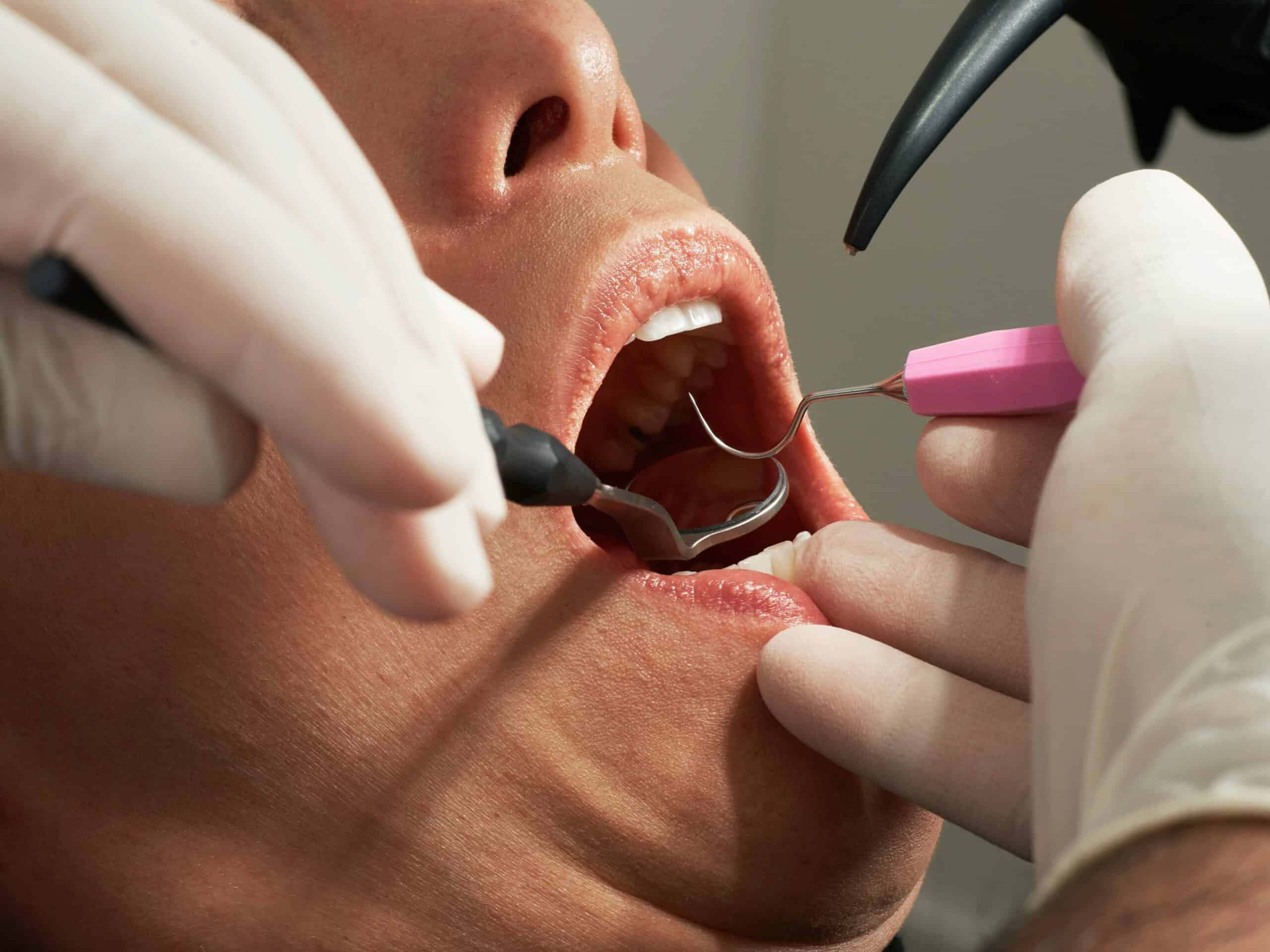
Yes, dental work can trigger a migraine attack in people who already get them, usually through several ordinary routes rather than one cause. Anyone asking can dental work trigger a migraine is normally looking for a mechanism, and there is more than one worth knowing. The jaw, the lights, the noise, the stress, and the disrupted routine all land on the same day.
A dental visit simply bundles together a handful of familiar inputs that usually arrive separately. Our rundown of common migraine triggers covers those inputs in more detail.
Medical Disclaimer
This article offers general information about migraine and dental appointments. It is not medical advice, and it cannot diagnose a headache disorder or a dental problem. A clinician should guide diagnosis and treatment.
Quick Answer
Dental work can plausibly contribute to a migraine attack through jaw muscle strain, bright light, loud equipment, appointment stress, and a disrupted eating and sleeping routine. A dental problem can also refer pain that resembles head pain. Most of these inputs can be adjusted once the dental office knows about them.
Key Takeaways
- Several ordinary parts of a dental visit may contribute, so the cause is rarely a single thing.
- Holding the jaw open for a long stretch loads muscles that may already be sensitized.
- Attacks often surface after the appointment, once the stress of the day drops away.
- Morning slots, jaw breaks, and dimmed light are ordinary requests that offices handle often.
- New or unusual facial pain deserves evaluation rather than self-diagnosis.
Which Parts of a Dental Visit Can Contribute to a Migraine
| Part of the appointment | Plausible mechanism | What can be adjusted |
|---|---|---|
| Jaw held open for a long stretch | Sustained stretch loads the jaw muscles and the joint. Sensitized muscles may refer pain upward into the temple. | Ask for scheduled breaks to close and rest the jaw. |
| Bright overhead operatory light | Steady glare adds visual load for people who are light sensitive between attacks. | Request tinted safety glasses, or ask for the light to be angled away when possible. |
| Drill and suction noise | High pitched sound is a common sensory irritant for a sound sensitive brain. | Ask the office about ear protection or noise reducing headphones. |
| Stress in the days before | Stress arousal is widely reported as a migraine trigger. | Book the earliest slot so the waiting period stays short. |
| The let-down period afterward | Attacks often surface as stress falls away rather than at the peak. | Keep the rest of the day quiet instead of stacking errands after the visit. |
| Missed or delayed meals | Skipped meals and low fluid intake are frequently reported triggers. | Eat and drink beforehand when the dental team says it is allowed. |
| Short sleep the night before | Disrupted or shortened sleep is another commonly reported trigger. | Choose a date that does not follow a late night or a long shift. |
| An untreated dental problem | Tooth and jaw problems can refer pain into the face and head. That referred pain can resemble a headache. | Describe the pain pattern clearly so the dentist can assess the source. |
Common contributors during a dental appointment and the adjustments an office can usually make.
Why Holding the Jaw Open Can Trigger a Migraine Attack
A long stretch with the mouth wide open asks the jaw muscles to hold a position they rarely hold. Those muscles connect into the temple and the side of the head. When they are already tender, the extra load can feed into a headache pattern.
The Cleveland Clinic describes temporomandibular joint disorders as a source of jaw pain that often spreads into the face, ear, and head. That overlap is why jaw strain and head pain are hard to separate on a dental day. The relationship is an association rather than a clean cause.
People who clench or grind at night often arrive with jaw muscles that are already working hard. An hour of open mouth work adds to that baseline. Ongoing jaw problems are a separate thread, covered in can TMJ cause migraines.
A dentist may raise the topic of a night guard for clenching. Our roundup of jaw guards for TMJ related head pain explains what those products address and what they do not. No guard prevents migraine attacks, and none should replace a dental assessment.
How Bright Light and Drill Noise Add Sensory Load
Sensory sensitivity is a core feature of migraine rather than a side detail. The American Migraine Foundation notes that sensitivity to light and sound is one of the defining features people report during attacks. Many people also notice a lower tolerance between attacks.
A dental operatory is built around a bright, steady, directed light. It sits close to the face and stays on for the whole procedure. For a light sensitive brain, that is a sustained input rather than a brief one.
The equipment adds the second layer. High pitched drilling, suction, and ultrasonic scaling all sit in a range that many people find grating.
Neither of these alone reliably starts an attack. Together, and stacked on top of jaw strain, they may push a sensitive day over a threshold. Tinted glasses and ear protection are cheap adjustments that cost the office nothing.
Why the Migraine Often Arrives After the Appointment
Plenty of people leave the appointment feeling fine and get hit that evening instead. The American Migraine Foundation describes a let-down pattern, where attacks tend to follow a drop in stress rather than the stress itself. A dental appointment fits that shape neatly.
The buildup often starts days earlier. Anticipation, rescheduling, and time off work all raise the tension before anyone sits in the chair. Once the visit ends, that tension releases quickly.
Routine takes a hit on the same day. Meals shift, coffee timing moves, and sleep the night before is often shorter than usual. The Mayo Clinic lists stress, skipped meals, and changes in sleep among the factors commonly linked with migraine attacks.
None of these are proof of causation for any one person. They are patterns worth tracking across several appointments.
When a Dental Problem Is the Source of the Pain
Sometimes the head pain is not a migraine attack at all. An infected tooth, an abscess, or an inflamed joint can refer pain into the temple, the cheek, or behind the eye. That referred pain can convincingly imitate a headache.
The reverse also happens. Some migraine attacks and some facial pain disorders produce tooth-like pain with no dental cause. People in that situation occasionally undergo dental treatment that never addresses the real driver.
The National Institute of Neurological Disorders and Stroke groups migraine among neurological disorders with a wide range of presentations. That breadth is exactly why self-diagnosis is a poor tool here. A pattern that feels obvious can still be misread.
New facial pain, pain that changes character, or pain that is one sided and persistent all deserve evaluation. That means a dentist, a physician, or both.
What to Tell the Dental Office in Advance
A dental office cannot accommodate what it does not know about. Mentioning migraine when booking is more useful than mentioning it in the chair. Most of the helpful adjustments have to happen at the scheduling stage.
Ask for a morning slot when possible. An early appointment shortens the waiting period and lands before the day accumulates stress.
Ask for breaks to close and rest the jaw during longer procedures. Ask whether the overhead light can be angled or dimmed at points, and whether tinted glasses are available. Ask about ear protection for the drilling stages.
Bring the same information a physician would want. Our notes on preparing for a migraine appointment apply well to a dental visit too. Attack frequency, known triggers, and current treatments are the useful details.
One thing does not belong on the list. Skipping or delaying needed dental care to avoid a possible attack tends to make matters worse, since untreated dental problems generate their own pain. The better route is an adjusted appointment rather than a canceled one.
Related Reading
For readers building a plan around appointment days, our guide to migraine patches for acute relief covers what those products claim and where the evidence is thin. Anyone weighing broader options can start with our overview of how to choose tension relief for migraine. For jaw and neck soreness in the hours after a long procedure, our roundup of heating pads for tension and migraine covers the practical differences.
Frequently Asked Questions
Can dental work trigger a migraine during a routine cleaning?
It can. A cleaning still involves an open jaw, a bright light, ultrasonic noise, and a change to the day’s routine. Those inputs are milder than a long restorative procedure, yet they stack in the same way, which is why the shorter appointment length matters so much.
How soon after a dental appointment does an attack usually start?
Timing varies widely between people. Some notice symptoms during the procedure, while many report an attack in the evening or the following morning. That delayed pattern fits the let-down effect, and tracking the gap across several visits gives a clearer picture than any single appointment does.
Is jaw soreness after dental work the same thing as a migraine?
No, but the two overlap. Jaw soreness from a long stretch with the mouth open is muscular, and it eases within a day or two. A migraine attack involves a broader set of features, including sensory sensitivity and nausea, so both can be present at once.
Does a morning appointment actually make a difference?
Many people find it helps, though the effect is individual rather than universal. An early slot shortens the anticipation period, lands before meals get skipped, and leaves the rest of the day free. None of that guarantees an attack-free day, but it does remove several stacked inputs.
Should a cleaning be rescheduled during a difficult migraine week?
That decision belongs to the reader and the dental office together. Postponing needed care is not a neutral choice, because untreated dental problems create their own pain. Calling ahead usually beats canceling, since many offices will move the slot or adjust the visit instead.
Can a night guard reduce migraine attacks linked to the jaw?
A guard is aimed at clenching and grinding, not at migraine itself. Some people with jaw related pain report fewer bad mornings while using one, though that is an association rather than a cause. A dentist is the right person to judge whether a guard fits the situation at all.
When should I see a doctor about this?
New facial or head pain deserves evaluation rather than guesswork. A sudden severe headache warrants urgent care, as does pain with fever, swelling, or vision changes. A clinician can separate a dental source from a neurological one, and that distinction shapes what comes next.
Sources
- American Migraine Foundation
- Cleveland Clinic
- Mayo Clinic
- National Institute of Neurological Disorders and Stroke
