
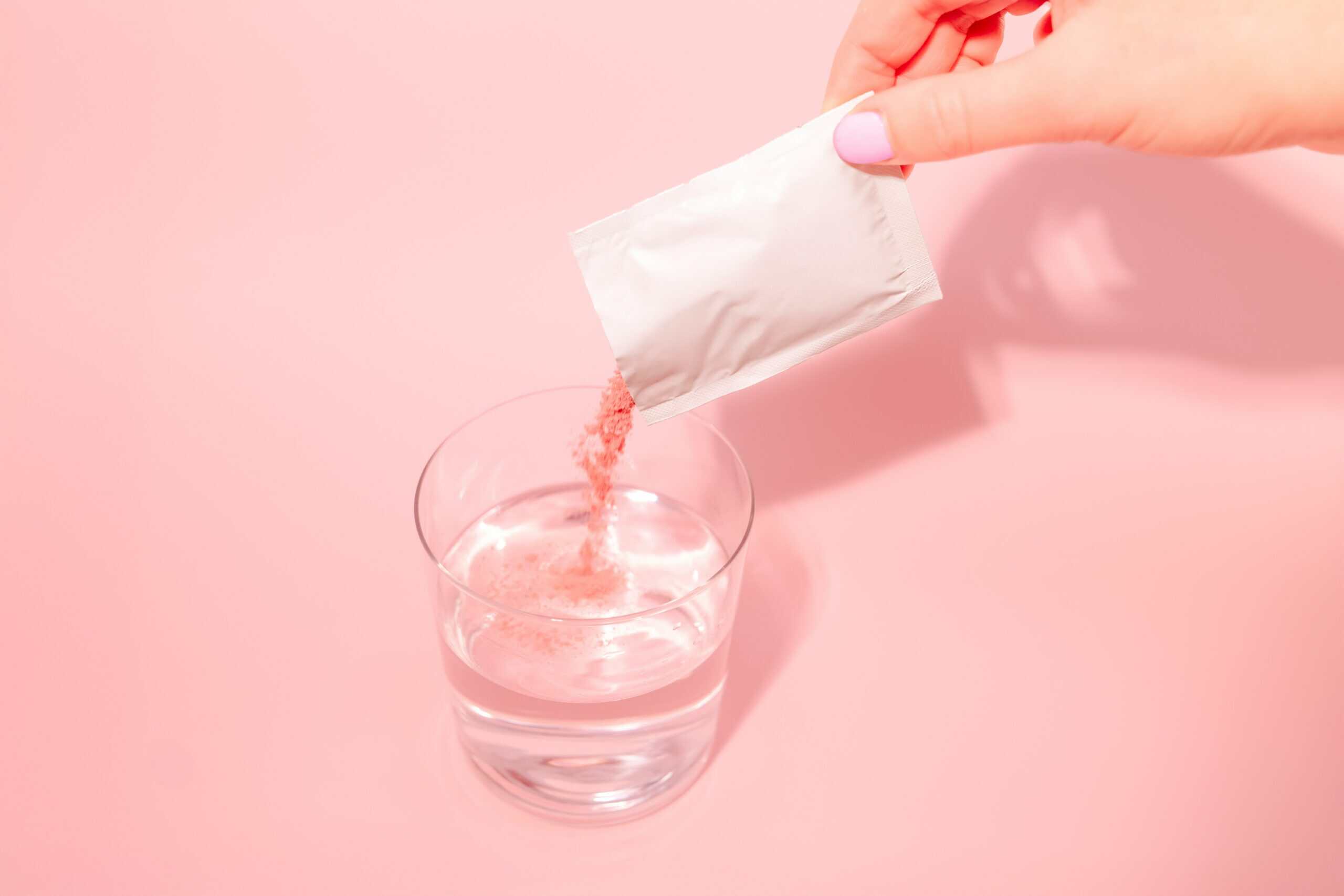
Roughly one in three migraine sufferers identifies dehydration as a personal trigger, according to multiple patient surveys. The best electrolyte drinks for migraine prevention work by restoring the sodium, potassium, and magnesium your brain needs to keep blood volume and nerve signaling stable. Plain water alone often falls short, especially after heavy sweat, alcohol, or interrupted sleep. See also our guide on preventing dehydration migraines.
This guide tests five well-stocked Amazon options against a single question: which formula actually helps a migraine-prone brain stay ahead of an attack? After comparing electrolyte ratios, sugar load, magnesium content, and price per serving, five products consistently outperformed the rest. None of them cures migraine, but each can plug a specific dehydration gap that often kicks off the prodrome phase.
A quick disclaimer before diving in: I am not a doctor, and this is not medical advice. Always consult a healthcare provider before adding any supplement, especially if you take blood pressure medication or follow a sodium-restricted diet.
Why Electrolyte Drinks Matter for Migraine Sufferers
Migraine brains are unusually sensitive to even mild dehydration. Studies in Headache and Cephalalgia suggest that as little as 2% fluid loss can drop cerebral blood flow enough to prime an attack. Sodium and potassium control the volume of the blood, while magnesium calms the cortical hyperexcitability that defines migraine pathophysiology.
Plain water dilutes the sodium you already have. That can actually worsen the problem during heavy fluid loss. Electrolyte drinks restore the salt-to-water ratio your bloodstream needs, which keeps blood pressure stable and reduces the chance of a vasodilation rebound, a known trigger.
Beyond the science, there’s a practical angle. Many migraine sufferers underdrink because nausea, light sensitivity, or aura make it hard to remember water. A flavored single-serve packet sitting on a desk or nightstand is a visible cue. That cue alone is often what raises daily intake, which is the practical argument for a visible packet over a reminder.
What to Look for in the Best Electrolyte Drinks for Migraines
Five criteria separate a genuinely useful electrolyte drink from sugary marketing fluff. Each criterion below maps to a specific migraine mechanism, so screen any product against the full list before you buy.
Sodium Content (500 to 1,000 mg per serving)
Sodium is the workhorse electrolyte for hydration. Migraine sufferers who sweat heavily, fast, or eat low-carb often run chronically low. Look for at least 500 mg per serving; 1,000 mg is appropriate for hot climates or intense workouts. Below 200 mg, the drink is essentially flavored water.
Magnesium Presence
Magnesium deficiency is associated with migraine in roughly half of chronic sufferers, per multiple clinical reviews. While electrolyte drinks alone won’t fix a deficiency, formulas containing 50 to 100 mg of magnesium provide useful daily support. Magnesium malate or glycinate absorbs better than oxide.
Low or Zero Sugar
Sugar spikes can trigger reactive hypoglycemia, a known migraine precursor for some sufferers. Aspartame and sucralose are also listed as triggers in the American Migraine Foundation’s published trigger guide. Stevia, monk fruit, or allulose are gentler choices.
Potassium Balance
Potassium works with sodium to maintain cell osmolarity. Look for 200 to 400 mg per serving. Too little and the sodium loses effectiveness; too much can cause its own problems, especially if you take ACE inhibitors.
Convenient Stick-Pack Format
A canister sitting in your pantry helps no one during a 3 a.m. prodrome. Single-serve stick packs let you stash hydration in your bag, car, nightstand, and desk. Portability raises adherence, and adherence is what actually prevents attacks.
Best Electrolyte Drinks for Migraines in 2026: Our Top 5 Picks
After comparing fifteen popular formulas across the five criteria above, these five rose to the top. Each fills a different use case, so match the pick to your trigger profile rather than buying the most expensive option.
1. LMNT Zero Sugar Electrolytes Variety Pack, Best for High-Sodium Needs
Best Overall | Price: ~$45
LMNT delivers 1,000 mg of sodium, 200 mg of potassium, and 60 mg of magnesium per stick pack, the highest sodium content in this roundup. That ratio matches the science behind oral rehydration solutions developed for serious dehydration, which makes it the strongest single-serve formula for migraine sufferers who sweat heavily, fast, or follow a keto or low-carb diet. For the morning after alcohol, see our hangover headache guide.
LMNT suits a morning routine where the same packet goes in at the same time each day. Consistency is the point of a routine like that rather than any single serving. Flavors lean savory rather than sweet, which some users love and others find polarizing. The Citrus Salt and Watermelon Salt flavors are the most universally tolerated.
The trade-off is the high sodium. If you’re on blood pressure medication, sodium-restricted, or sensitive to salty taste, this is not your pick. Move to Pedialyte or Liquid I.V. for a gentler entry point.
Key Features
Each stick contains 1,000 mg of sodium, 200 mg potassium, 60 mg magnesium malate, zero sugar, and stevia-based sweetening. The Variety Pack rotates through eight flavors, helpful when palate fatigue sets in. Stick packs are TSA-friendly and store flat in any bag.
PROS:
- Highest sodium content in this roundup, ideal for heavy sweaters and keto eaters
- Magnesium malate absorbs better than common alternatives
- Zero sugar and zero artificial sweeteners
- Variety pack prevents flavor fatigue
- Travel-friendly stick format
CONS:
- Salty taste polarizes new users
- Sodium level is too high for low-sodium diets
- Pricier per serving than mainstream brands
- Some flavors (chocolate, mango chili) divide opinion sharply
Best for: Migraine sufferers who sweat heavily, fast, or follow a low-carb diet and need maximum sodium replacement.
2. Liquid I.V. Hydration Multiplier Lemon Lime, Best for Beginners
Best Budget | Price: ~$25
Liquid I.V. is the most familiar electrolyte brand on Amazon for good reason. Each stick delivers 510 mg of sodium, 380 mg of potassium, and a meaningful dose of B vitamins (B3, B5, B6, and B12). The Cellular Transport Technology marketing is overhyped, but the underlying ratio matches WHO oral rehydration guidelines reasonably well.
For migraine sufferers new to electrolyte supplementation, Liquid I.V. is the lowest-friction starting point. Pleasant flavor, wide availability, and clear single-stick dosing make it harder to mess up. It suits travel days, when a disrupted sleep schedule raises attack risk for people whose attacks track sleep.
The downside is the 11 grams of cane sugar per stick. That’s small compared to a soda, but real. Sufferers tracking sugar as a personal trigger should choose the Sugar-Free line instead, which swaps cane sugar for allulose.
Key Features
510 mg sodium, 380 mg potassium, vitamins B3, B5, B6, and B12, and 11 g sugar per stick. Available in over fifteen flavors, plus a sugar-free range. The Lemon Lime is the original and the most universally palatable.
PROS:
- Most widely available formula in this roundup
- B vitamin content supports energy and nerve function
- Pleasant, familiar flavor with low risk of palate rejection
- Affordable per-serving cost
- A sugar-free option exists for trigger-sensitive sufferers
CONS:
- 11 g sugar per stick may itself trigger sensitive sufferers
- Contains no magnesium
- Sodium level is moderate rather than high
- Sweetener combination uses stevia plus dipotassium phosphate, an acquired taste
Best for: Migraine sufferers new to electrolyte drinks who want a familiar, affordable, well-flavored entry point.
3. Pedialyte AdvancedCare Plus Electrolyte Powder, Best Medical-Grade Formulation
Best for Recovery | Price: ~$20
Pedialyte was designed by pediatric nephrologists for severe dehydration, and the science shows. AdvancedCare Plus delivers 490 mg of sodium and 280 mg of potassium per serving, plus prebiotics for gut support. The formulation closely mirrors the WHO oral rehydration solution, which makes it especially effective during post-attack recovery when nausea has left you fluid-depleted.
What sets Pedialyte apart is its trustworthiness for YMYL situations. If you’re recovering from a vomiting migraine, hungover, or sick with a stomach bug that triggered an attack, this is the rehydration option a doctor is most likely to actually endorse. The packets dissolve cleanly and don’t sit heavily on a recovering stomach.
The downside is the flavor profile, which tastes medicinal rather than refreshing. That’s actually a feature for sick-day use but a bug for daily prevention. Use it situationally, not as a daily ritual.
Key Features
490 mg sodium, 280 mg potassium, 18 mg of prebiotics, and zinc. Sweetened with sucralose and acesulfame potassium. Single-serve packets dissolve in 8 oz of water rather than 16 oz, making them faster to drink during nausea.
PROS:
- Medical-grade oral rehydration formulation
- Effective during post-attack recovery and stomach bug situations
- Mixes in a smaller water volume, easier to tolerate when nauseated
- Prebiotic content supports gut recovery
- Most physician-recommended brand in this roundup
CONS:
- Sucralose and acesulfame K are listed as migraine triggers for some sufferers
- Medicinal flavor reduces daily-use compliance
- Contains no magnesium
- A smaller serving size means lower total fluid intake per packet
Best for: Migraine sufferers needing reliable post-attack recovery or recovery from a vomiting attack.
4. Nuun Sport Electrolyte Tablets, Best Sugar-Free Option
Best for Sugar-Sensitive Sufferers | Price: ~$28
Nuun Sport delivers 300 mg of sodium, 150 mg of potassium, and 25 mg of magnesium per tablet, with just 1 gram of sugar. The tablet format dissolves in 16 oz of water with a light fizz, which is gentler on the stomach than concentrated stick packs. The lower sodium level makes it appropriate for sufferers with blood pressure concerns.
Nuun suits hot days with a high total water intake, where stacking several grams of sodium is more than you want. The flavor is clean and not overly sweet, which suits sensitive palates. Tropical, Lemon Lime, and Watermelon are the strongest flavors; Strawberry Lemonade is weaker.
The trade-off is the lower total electrolyte content. If you sweat heavily or eat low-carb, one tablet won’t deliver enough sodium to make a measurable difference. Use Nuun for volume hydration and LMNT for concentrated replacement.
Key Features
300 mg sodium, 150 mg potassium, 25 mg magnesium, 1 g sugar from monk fruit. Tablet format with a cleaner ingredient list than most powders. A tube of 10 tablets is compact and travels well.
PROS:
- Lowest sugar content in this roundup (1 g vs 11 g for Liquid I.V.)
- Clean ingredient list with no artificial sweeteners
- Light fizz is gentler than concentrated powders
- Lower sodium suits blood-pressure-sensitive users
- Compact tube format fits in a small bag
CONS:
- Sodium level too low for heavy sweat or keto users
- Tablet dissolution time is 2 to 3 minutes
- Magnesium dose is modest
- Stronger flavors mask the weaker ones in mixed packs
Best for: Migraine sufferers who avoid sugar and artificial sweeteners and want gentle daily hydration support.
5. DripDrop ORS Electrolyte Hydration Powder, Best for Rapid Rehydration
Best Rescue Formula | Price: ~$30
DripDrop was developed by a physician who watched children die from dehydration in the field and wanted a faster-acting oral rehydration solution. The formula delivers 330 mg of sodium and 185 mg of potassium per stick, with a glucose-to-sodium ratio specifically calibrated to maximize fluid absorption through the small intestine. It works faster than plain water by a wide margin.
For migraine sufferers, DripDrop shines as a rescue tool. If you feel a prodrome coming on and dehydration is your suspected trigger, DripDrop hits your bloodstream within 15 to 20 minutes versus 45 to 60 for plain water. That speed window can sometimes halt an attack before it locks in.
The compromise is the carb content, around 8 grams per stick. That glucose isn’t waste; it’s the absorption mechanism. But sugar-sensitive sufferers should approach with caution and test it on a non-attack day first.
Key Features
330 mg sodium, 185 mg potassium, 39 mg magnesium, 8 g glucose per stick. ORS-based formula with peer-reviewed absorption research. Five flavors with notably clean taste.
PROS:
- Fastest-absorbing formula in this roundup
- Excellent rescue tool during the early prodrome
- Magnesium content beats Liquid I.V. and Pedialyte
- Cleaner flavor than Pedialyte
- Published research supports the absorption claims
CONS:
- 8 g of glucose may trigger sugar-sensitive sufferers
- Pricier per serving than Liquid I.V. and Pedialyte
- Not as well-known, limiting availability outside Amazon
- Sodium level is moderate, not high
Best for: Migraine sufferers who want a fast-acting rescue option for early prodrome or post-exercise rehydration.
Quick Comparison
| Product | Sodium | Magnesium | Sugar | Best Use Case |
|---|---|---|---|---|
| LMNT | 1,000 mg | 60 mg | 0 g | Daily prevention, heavy sweat, keto |
| Liquid I.V. | 510 mg | 0 mg | 11 g | Beginner-friendly daily hydration |
| Pedialyte | 490 mg | 0 mg | 5 g | Post-attack and stomach bug recovery |
| Nuun | 300 mg | 25 mg | 1 g | Sugar-free volume hydration |
| DripDrop | 330 mg | 39 mg | 8 g | Rapid rescue at prodrome onset |
How to Match Electrolyte Drinks to Your Migraine Profile
Start with your trigger pattern, not the product. If dehydration shows up in your trigger guide more than once a month, daily prevention makes more sense than rescue. If dehydration only correlates with specific events (hot days, long flights, alcohol the night before), keep one rescue product on hand and skip daily use.
Heavy sweaters, fasters, and keto eaters should start with LMNT. The high sodium addresses the actual deficit. Lower-sodium products will leave you still depleted even after consumption. Stack with magnesium-rich foods or a separate magnesium supplement for full mineral coverage.
Beginners with no clear pattern should start with Liquid I.V. for two weeks. The familiar flavor and gentle electrolyte level make it easy to stick with, which matters more than optimal formulation in the first month. Once the habit forms, graduate to LMNT, Nuun, or DripDrop based on what you observe.
For sufferers who get post-vomiting attacks, keep Pedialyte in the medicine cabinet permanently. It earns its place not as a daily drink but as a recovery tool for the worst attacks, when nausea has left you fluid-depleted and dizzy.
Our Verdict
LMNT takes the overall recommendation because it solves the actual mineral deficit most migraine sufferers face. The sodium level is the differentiator, and the zero-sugar formula sidesteps the sweetener triggers that disqualify several competitors. If only one product belongs in your daily routine, this is it.
Budget-conscious or sugar-averse readers have strong alternatives. Liquid I.V. wins on familiarity and price. Nuun wins on clean ingredients. Both are reasonable daily picks if LMNT’s sodium load or flavor doesn’t suit you.
For acute situations, the calculus changes. Pedialyte is the safest post-attack rehydration option, especially after vomiting. DripDrop is the fastest-acting prodrome rescue, useful in the narrow window between feeling “off” and a full attack. Most readers will want one daily product plus one acute product, rather than a single solution for both jobs.
Frequently Asked Questions
Do the best electrolyte drinks for migraine actually prevent attacks?
Electrolyte drinks can prevent attacks specifically triggered by dehydration, which the American Migraine Foundation lists among the top five triggers. They do not prevent attacks caused by hormonal shifts, weather, stress, or food sensitivities. Track your triggers for at least a month before assuming electrolytes will solve the problem.
How many electrolyte drinks per day are safe for migraine sufferers?
Most sufferers do well with one serving per day during normal conditions, scaling to two or three during heavy sweat, illness, or travel. Exceeding three servings of a high-sodium formula like LMNT may push daily sodium intake above 3,000 mg, which is inappropriate for anyone on blood pressure medication. Consult your physician before exceeding manufacturer recommendations.
Can electrolyte drinks stop a migraine that has already started?
Sometimes. If dehydration is the underlying trigger and the attack is still in the prodrome phase, a fast-absorbing formula like DripDrop can occasionally halt progression. Once the full headache phase begins, the value is recovery support rather than abortion. Treat electrolytes as one tool alongside your rescue medication, not a replacement for it.
Are sugar-free electrolyte drinks better for migraine prevention?
For sugar-sensitive sufferers, yes. For most people, the sugar content in mainstream products is too low to matter. The bigger concern is artificial sweeteners like aspartame and sucralose, which are independently listed migraine triggers. Stevia, monk fruit, and allulose are safer non-caloric sweeteners.
Does magnesium in electrolyte drinks replace a magnesium supplement?
No. Most electrolyte drinks contain 25 to 60 mg of magnesium per serving, while migraine prevention research uses doses of 400 to 600 mg daily. Use electrolyte drinks for hydration and a dedicated magnesium supplement for mineral therapy. They serve different roles.
When is the best time to drink an electrolyte beverage for migraine prevention?
Morning consumption helps most sufferers because overnight fluid loss leaves the body in its most depleted state at wake-up. A second serving in the late afternoon catches the post-lunch dehydration dip that often precedes evening attacks. Avoid drinking electrolytes within 90 minutes of bedtime to prevent sleep disruption from increased urination.
Will electrolyte drinks interact with migraine medications?
Most won’t, but two interactions matter. High-sodium drinks can reduce the effectiveness of blood pressure medications often prescribed for migraine prevention, including beta-blockers and calcium channel blockers. Potassium-rich drinks can interact with ACE inhibitors. Show your full electrolyte product list to your prescribing physician.
Are these electrolyte drinks safe during pregnancy for migraine sufferers?
Pedialyte and Liquid I.V. are generally considered safe during pregnancy because their formulations have been studied for broader hydration use. LMNT and DripDrop have higher sodium content that may not be appropriate during pregnancy. If you’re managing migraines during pregnancy, see our pregnancy migraine guide and consult your obstetrician before starting any new supplement.
When should I see a doctor about dehydration and migraines?
See a doctor if you are getting dehydrated often, if thirst has increased noticeably, or if electrolyte drinks are not helping a pattern you assumed was dehydration. Anyone managing kidney conditions, blood pressure, or a sodium-restricted diet should ask a clinician before adding electrolyte products. Frequent dehydration can point to something worth investigating.
More Migraine Trigger Guides
Plain water covers most cases. bottles that increase intake covers lid types and markings.
Sources
- Headache Classification Committee of the International Headache Society. The International Classification of Headache Disorders, 3rd edition. Cephalalgia. 2018;38(1):1-211. https://ichd-3.org/
- National Institute of Neurological Disorders and Stroke. Migraine. National Institutes of Health. https://www.ninds.nih.gov/health-information/disorders/migraine
- Lipton RB, Bigal ME, Diamond M, et al. Migraine prevalence, disease burden, and the need for preventive therapy. Neurology. 2007;68(5):343-349. https://www.neurology.org/
