
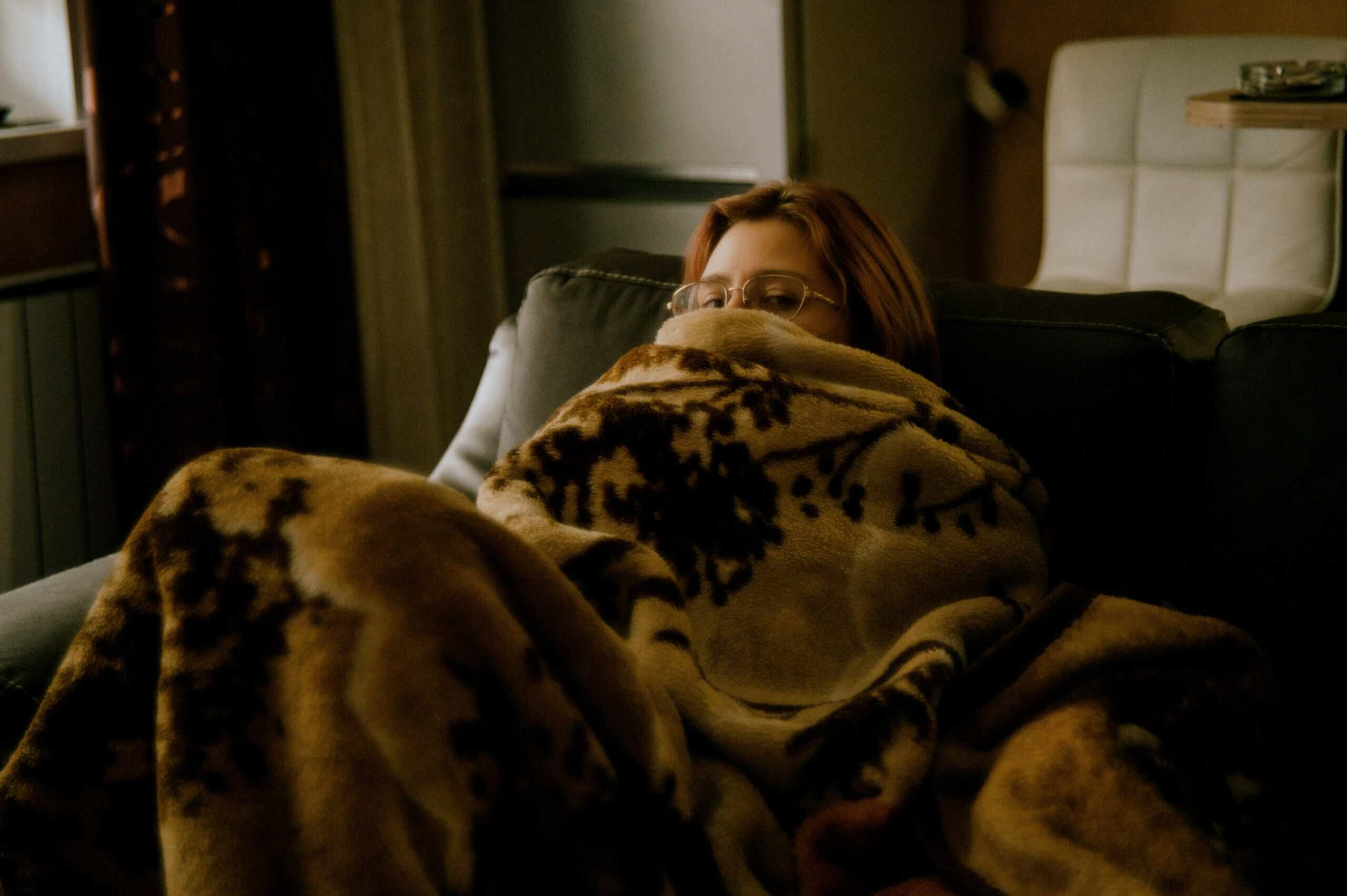
Yes, chills and shivering are a recognized part of migraine attacks for many people, and they happen without any rise in body temperature. Migraines cause chills through autonomic nervous system involvement rather than through infection, which is why a thermometer reads normal while you are reaching for a blanket.
Temperature symptoms tend to cluster with the other autonomic features of an attack. Our guide to what a migraine feels like covers that wider symptom set.
A Quick Note
This is general information rather than medical advice. Chills with a measured fever are a different situation from chills during a migraine, and chills with fever and neck stiffness need urgent assessment. A new pattern belongs with a clinician rather than with a guide.
Quick Answer
Chills during a migraine come from autonomic dysregulation, the same system responsible for nausea, sweating, and flushing during attacks. Body temperature stays normal. Chills paired with a genuine fever point away from migraine as the whole explanation and toward an infection.
Key Takeaways
- Chills are autonomic, not a sign of infection or fever.
- They can appear before, during, or after the headache.
- Cold hands and feet are a common prodrome feature in some people.
- Alternating hot and cold within one attack is normal.
- A thermometer is what separates this from illness.
- Recording when chills appear can help predict attacks.
| Phase | What temperature symptoms look like |
|---|---|
| Prodrome, hours before | Cold hands and feet, feeling chilled |
| Aura, if you get it | Less commonly involved |
| Headache phase | Chills, sweating, flushing, alternating |
| Postdrome, after | Feeling cold, washed out, low energy |
| With a real fever | Not migraine alone, get assessed |
What the Autonomic System Has to Do With It
The autonomic nervous system regulates things you do not consciously control, including blood vessel width, sweating, digestion, and heart rate.
Migraine involves that system heavily, which is why attacks come with nausea, vomiting, sweating, flushing, and pallor rather than pain alone.
Temperature sensation is part of the same package. Blood vessels constricting in the extremities makes hands and feet genuinely cold to the touch while core temperature does not move.
So the shivering is real and the fever is not. Our guide to why migraines cause nausea covers the best-known member of the same symptom family.
When in the Attack They Show Up
Before the headache
Cold extremities are a documented prodrome symptom for some people, appearing hours before pain. Our guide to migraine prodrome symptoms covers the full early-warning list.
During the headache
This is where chills are most often noticed, frequently alternating with feeling hot. Neither direction indicates anything is wrong beyond the attack itself.
Afterward
Feeling cold during the recovery phase is common and travels with the fatigue and low energy of postdrome. Our guide to postdrome recovery covers that stretch.
Alternating within one attack
Hot then cold then hot again over the course of several hours is a normal pattern rather than a sign of two separate problems.
Telling This Apart From Being Ill
The thermometer does almost all the work. Migraine chills come with a normal temperature; infection chills come with a raised one.
Take the reading before you take medication, because acetaminophen and ibuprofen both lower temperature and can hide a fever you would have wanted to know about.
Other symptoms help too. Sore throat, cough, congestion, body aches beyond your usual attack, and swollen glands point toward illness rather than migraine alone.
And illness can trigger an attack, so both can be running at once. That is a reason to treat the infection and the migraine as separate problems rather than to pick one.
What Actually Helps in the Moment
- Warm the extremities, not the room. Socks and a blanket beat turning up the heat, which can worsen head pain.
- Keep the head cool while the body is warm. Many people find this combination more tolerable than either alone.
- Take your temperature once. It settles the question and takes a minute.
- Keep fluids going. Shivering and sweating both cost you water.
- Do not add heat to the head or neck if light and touch are sensitive. Sensitivity during an attack changes what is comfortable.
- Note the timing. If chills reliably precede your attacks, that is a usable warning sign.
Our roundup of weighted blankets covers one comfort option, and our roundup of space heaters for cold-triggered migraine covers the opposite problem, where cold itself is the trigger.
Why This Symptom Gets Dismissed
Chills are strongly associated with infection in most people’s minds, so shivering gets read as coming down with something rather than as part of a headache disorder.
That produces two errors in opposite directions. Some people assume they are ill and treat a migraine as flu; others assume every chill is migraine and ignore a genuine fever.
The thermometer resolves both in under a minute, which is why it belongs in the migraine kit rather than only in the medicine cabinet.
It also matters for how attacks get described to clinicians. Reporting chills without mentioning that your temperature was normal invites a different line of questioning than the one you need.
Household members read it the same way, which can turn into being sent to bed with a cold remedy that does nothing for a migraine. Naming the symptom accurately once tends to prevent that happening repeatedly.
The reverse error is the one that matters more. Assuming every chill is migraine is how a genuine infection goes unmeasured for a day, which is worth avoiding for the cost of one reading.
Using Chills as an Early Warning
The prodrome is the most actionable phase of an attack, because interventions started early tend to work better than the same interventions started at peak pain.
If cold hands or a chilled feeling shows up reliably before your attacks, that is a personal signal worth acting on rather than a curiosity.
Finding out whether it is reliable requires recording it. A pattern across a dozen attacks is convincing; a memory of two is not.
Our guide to what to record in a migraine diary covers building that record, and our guide to stopping a migraine fast covers what to do once you have the warning.
Recommended Reading
Frequently Asked Questions
Do migraines cause chills?
Yes, for many people. Chills and shivering come from autonomic nervous system involvement during an attack rather than from any rise in temperature. Your thermometer stays normal, which is the difference between this and being ill.
Why do I get cold hands before a migraine?
Blood vessels in the extremities narrowing is a recognized prodrome feature. It appears hours before pain in some people and is one of the more useful early warning signs precisely because it is physical rather than vague.
Can I have chills and a fever from a migraine?
Chills yes, fever no. Migraine does not raise core body temperature. If a thermometer shows a genuine fever alongside chills and headache, something other than migraine is contributing and it should be assessed.
Is alternating hot and cold normal?
Yes. Swinging between feeling flushed and feeling chilled across an attack is a common autonomic pattern and does not indicate two separate problems. It tends to travel with sweating and nausea.
What helps the chills during an attack?
Warming the hands and feet rather than the whole room, since heat around the head often makes pain worse. Socks, a blanket, and keeping fluids up covers most of it. Many people prefer a cool head with a warm body.
Should chills change how I treat the attack?
Not the treatment itself, but if chills reliably come first they can tell you to start earlier. Early treatment generally works better, which makes a dependable prodrome signal genuinely valuable.
Can being cold trigger a migraine?
For some people, yes, cold exposure is a trigger, which is a separate thing from chills as a symptom. Tracking whether cold precedes your attacks or accompanies them tells you which one you are dealing with.
When should I see a doctor?
If chills come with a measured fever, neck stiffness, confusion, or a rash, seek care promptly rather than treating it as a migraine. Also raise any new or changing symptom pattern with a clinician, even when each individual symptom is familiar.
Sources
- American Migraine Foundation, patient guidance on migraine phases and the autonomic symptoms that accompany attacks.
- National Institute of Neurological Disorders and Stroke, overview of migraine symptoms across the attack cycle.
