
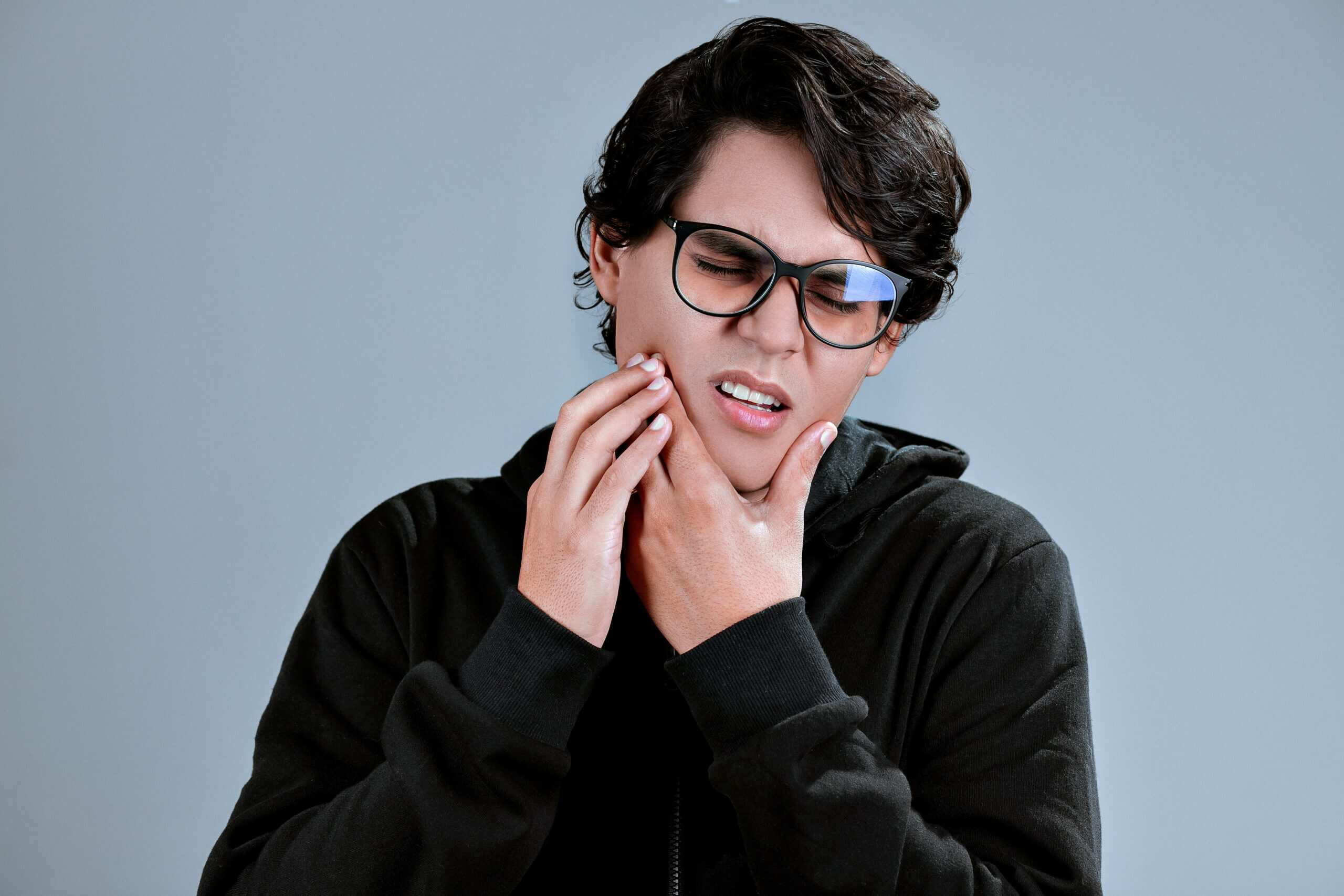
TMJ disorders and migraine often occur together and each can make the other worse, but TMJ is not established as a cause of migraine. People often ask, can TMJ cause migraines, because jaw pain and head pain can feel like one single problem. The two conditions share nerve territory, share a habit of showing up on one side, and share a talent for being mistaken for each other.
This guide separates what is reasonably well described from what is still guesswork. It explains what a jaw disorder is, why the overlap happens, and where the evidence thins out. It also covers simple comfort measures, including using heat on tight jaw and neck muscles.
Medical Disclaimer
This article offers general information only. It is not medical advice, and it cannot diagnose anything. A dentist, physician, or headache clinician should guide diagnosis and treatment for jaw pain, head pain, or both.
Quick Answer
Jaw disorders and migraine frequently co-occur, and each can aggravate the other through shared nerve pathways. That relationship is an association, not a demonstrated cause. Treating a painful jaw may reduce overall pain load for some people, but it is not a migraine treatment and should not replace headache care.
Key Takeaways
- Jaw disorders and migraine overlap often, which is different from one causing the other.
- The trigeminal nerve serves both the jaw and much of the head, so signals travel together.
- Clicking, chewing pain, and jaw fatigue point toward the joint. Nausea and light sensitivity point toward migraine.
- A jaw guard protects teeth and reduces joint load. It is not designed to prevent migraine attacks.
- Neither condition can be diagnosed from a symptom list, so assessment comes first.
| What you notice | Points toward a jaw problem | Points toward migraine |
|---|---|---|
| Where the pain sits | Around the ear, the jaw joint, the cheek, or the temple. | Deep behind the eye, across the temple, or over a whole side of the head. |
| Clicking or catching in the joint | Common, and often noticed when opening wide or yawning. | Not a feature of migraine itself. |
| Chewing makes it worse | Typical. Hard or chewy food often brings the pain on. | Chewing usually changes very little. |
| Light and sound sensitivity | Unusual unless migraine is also present. | Common during an attack, and often strong. |
| Nausea | Not a usual part of the picture. | Common during an attack. |
| Morning versus evening pattern | Often worst on waking, or late in a day of heavy clenching. | Can begin at any hour, and may wake a person from sleep. |
| Pain on one side only | Common, and usually the side of the affected joint every time. | Common, though the side can switch between attacks. |
| Jaw feels tired or heavy | Frequent, especially after long conversations or meals. | Not a usual complaint. |
This table helps you describe symptoms clearly to a clinician. It does not diagnose either condition, and many people show features from both columns.
What a TMJ disorder actually is
TMJ stands for the temporomandibular joint, the hinge connecting the lower jaw to the skull. A TMJ disorder, often shortened to TMD, covers trouble with that joint, with the muscles around it, or with both at once. Cleveland Clinic describes the category as a group of related problems rather than one disease.
Symptoms range widely between people. Some notice only a dull ache in front of the ear. Others hear clicking, feel the jaw catch, or find it hard to open wide.
Muscle involvement matters as much as the joint. The chewing muscles fan across the cheek and up into the temple. When they stay tight, the ache spreads into territory most people would simply call a headache.
Can TMJ cause migraines, or do the two just overlap?
Jaw disorders and migraine overlap often enough that experienced clinicians look for both, yet overlap alone is not evidence of cause. The trigeminal nerve carries sensation from the jaw, the face, and much of the head. That same nerve system sits at the center of how migraine pain gets generated.
Because these signals travel shared pathways, steady input from a sore joint may lower the threshold for head pain in someone who already has migraine. The American Migraine Foundation discusses this kind of shared sensitivity in general terms. It stays a plausible mechanism rather than a settled account.
The honest position is narrower than most headlines suggest. A painful jaw can aggravate migraine, and migraine can leave jaw muscles feeling worse. Neither statement means one condition creates the other.
Association is not causation, and the difference matters here. Two conditions can cluster because they share nerve territory, share risk factors like poor sleep, or simply feel alike to the person living with them.
Clenching, grinding, sleep, and stress
Clenching and grinding are behaviors, not diseases, and they load the joint far beyond ordinary chewing. Daytime clenching tends to follow concentration or stress. Nighttime grinding, known as bruxism, often goes unnoticed until a partner mentions it or the jaw aches on waking.
Mayo Clinic notes that bruxism frequently travels with disrupted sleep and with periods of high stress. Those same factors turn up repeatedly in conversations about migraine frequency. The shared company is suggestive, though it does not sort out what drives what.
A useful way to think about it is load. A jaw under constant pressure sends more signals up a nerve system that migraine already involves. Reducing that load is sensible, whatever the diagnosis turns out to be.
How a dentist and a headache clinician approach this differently
A dentist and a headache clinician look at the same patient through different lenses, which is why both may need to be involved. The dentist examines the joint, the bite, the muscles, and the wear pattern on the teeth. The headache clinician works through attack features, timing, triggers, and the criteria set out by the International Headache Society.
Neither view is complete on its own. A person can have a genuinely damaged joint and separate, untreated migraine. Treating only one leaves the other running.
Occlusal guards sit squarely in dental territory. If a dentist recommends one, comparing jaw guard styles and fits helps you ask better questions at the appointment.
A guard cushions the joint and shields enamel from grinding forces. It does not act on migraine biology, and it is not marketed responsibly as a migraine treatment. Any reduction in headaches would come indirectly, through less jaw strain.
Conservative measures, posture, and the neck
Conservative care comes first for most jaw complaints, and it is deliberately unglamorous. A softer diet for a few weeks gives the joint a rest. Smaller bites, fewer chewy foods, and no gum all reduce the daily workload.
Gentle warmth relaxes the chewing muscles before stretching or massage. Many people find a warm compress across the jaw and temple easier to tolerate than pressure. Jaw rest, meaning less talking and less clenching, does quiet work that no device replaces.
The neck belongs in this conversation too. Head position changes how the jaw sits at rest, and sustained forward posture loads both areas. Some readers find posture support during desk work a useful cue rather than a fix.
Neck stiffness sometimes needs its own attention. Options such as gentle cervical traction at home should be discussed with a clinician first, particularly when neurological symptoms are present.
What treating the jaw does and does not change
Treating a painful jaw reliably helps the jaw, and it may reduce overall pain load, but it should not be expected to reduce migraine attack frequency. Some people report fewer headache days once clenching settles. Others keep exactly the same attack pattern with a comfortable jaw.
That variation is where honesty matters most. Neither condition gets diagnosed from a symptom list, and this article is no substitute for an examination. Self treating the wrong problem can waste months of otherwise useful time.
Devices carry their own risk when nobody assesses the fit. A guard bought without a dental opinion can shift how the teeth meet over time. Bite changes are difficult to undo.
The National Institute of Neurological Disorders and Stroke and the American Headache Society both favor conservative, reversible steps before anything permanent. That advice fits this situation well. Ask for an assessment, treat what is actually there, and keep the two conditions separate in your own thinking.
Related Reading
For more on muscle comfort and daily setup, see our guides to heating pads for neck and jaw tension, percussive massage for tight shoulders, and chairs that support a neutral head position.
Jaw pain and migraine: frequently asked questions
Can TMJ cause migraines, or is the link only an association?
Current understanding supports association rather than causation. Jaw disorders and migraine co-occur often, and a sore joint can aggravate existing migraine through shared trigeminal pathways, which is different from the jaw creating the condition. Clinicians treat them as two problems that interact, and the American Migraine Foundation frames the relationship in similarly cautious terms.
How can you tell whether head pain started in the jaw?
Look at what changes the pain. Jaw driven pain usually worsens with chewing, wide opening, or a long day of talking, and it often sits near the ear. Migraine pain tends to bring nausea and light sensitivity, chewing rarely affects it, and many people have both, so an examination settles it.
Does a night guard stop migraine attacks?
No, a night guard protects enamel and reduces load on the joint during grinding, and it has no direct action on migraine biology. If headaches improve after fitting one, the likely reason is less jaw strain rather than migraine prevention. A dentist should fit and adjust it, because an unassessed guard can alter the bite.
Can teeth grinding trigger a migraine attack?
Grinding is best described as a possible aggravating factor rather than a trigger in its own right. Heavy overnight clenching leaves muscles sore and sends more signals along nerves that migraine involves. Mayo Clinic links bruxism with disrupted sleep and stress, and both of those independently affect headache patterns.
Does one sided pain mean jaw trouble rather than migraine?
Not on its own, because both conditions commonly produce pain on one side, which is exactly why they get confused. A useful clue is consistency, since jaw pain usually stays on the side of the affected joint while migraine can switch sides between attacks. Neither pattern is reliable enough to decide anything alone.
When should I see a doctor about this?
Seek care when jaw pain lasts more than a few weeks, limits opening or chewing, or comes with headaches that disrupt daily life. Go promptly for a sudden severe headache, a locked jaw, fever, weakness, vision changes, or confusion. Any new headache pattern deserves assessment, and asking early is always reasonable.
Can neck problems play a part in both conditions?
Often, yes, because neck muscles and the upper cervical spine feed into the same sensory pathways that serve the head and jaw. Sustained forward head posture loads the neck and changes where the jaw rests. Improving desk setup and neck mobility can ease muscle pain, though it counts as supportive care rather than treatment for either condition.
Sources
- American Migraine Foundation
- American Headache Society
- International Headache Society
- National Institute of Neurological Disorders and Stroke
- Mayo Clinic
- Cleveland Clinic
